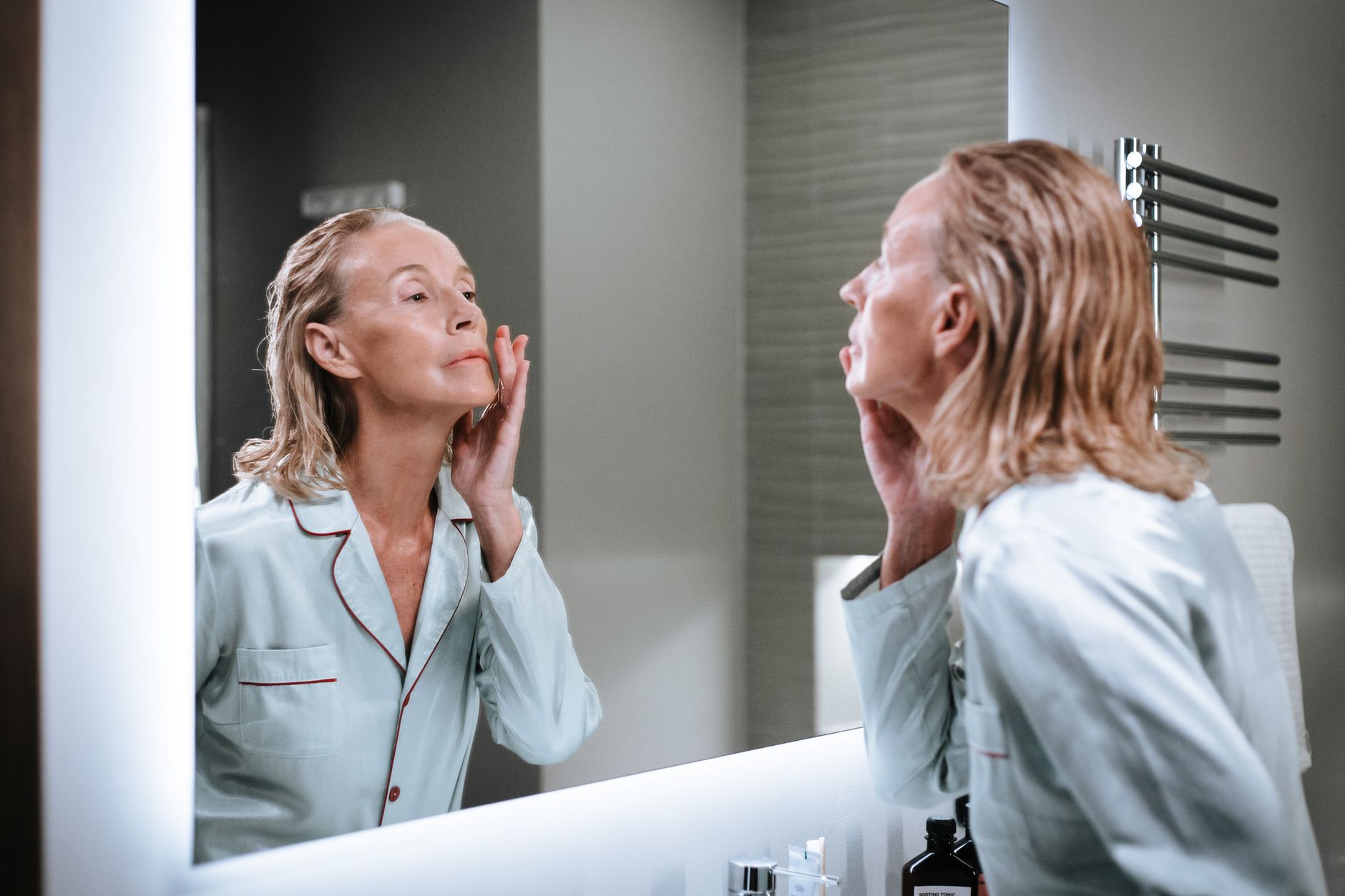
Best Anti-Aging Skincare Routine for Your 20s, 30s, 40s, and Beyond: A Science-Backed Guide
Aging is an inevitable biological process, but how your skin ages is profoundly influenced by your daily skincare choices. An effective anti-aging skincare routine is not a one-size-fits-all regimen; it's a dynamic, personalized strategy that must evolve with each decade of your life. The foundational principle of modern longevity science is proactive intervention—starting early and adapting your approach based on your skin's changing needs, environmental exposures, and genetic predispositions. This comprehensive guide, grounded in dermatological research and longevity science, provides a definitive, decade-by-decade blueprint for building a skincare routine that actively combats visible aging, preserves skin health, and supports your long-term wellness goals. By understanding the distinct biological shifts that occur in your 20s, 30s, 40s, and beyond, you can implement targeted, evidence-based practices that yield tangible, lasting results.
The Science of Skin Aging: Understanding the "Why" Behind Your Routine
Skin aging manifests through two primary pathways: intrinsic (chronological) aging and extrinsic (environmental) aging. Intrinsic aging is governed by your genetics and the gradual decline in cellular functions, such as reduced collagen production (which decreases by about 1% per year after your mid-20s) and slower skin cell turnover. Extrinsic aging, responsible for up to 90% of visible skin aging according to clinical studies, is driven by external aggressors like UV radiation (photoaging), pollution, smoking, and poor nutrition. A landmark study in the Journal of Investigative Dermatology notes that consistent sun protection alone can prevent approximately 80% of skin aging signs like wrinkles, pigmentation, and loss of elasticity. Therefore, an anti-aging routine is fundamentally about mitigating extrinsic damage while supporting your skin's intrinsic repair mechanisms. This science underscores why a static routine fails; as intrinsic changes accelerate with each decade, your skincare must adapt to address new vulnerabilities and optimize skin resilience.
Your 20s: The Foundational Decade for Prevention and Protection
Your 20s are the critical window for establishing preventive skincare habits that pay dividends for decades. During this decade, your skin's collagen and elastin production is near its peak, and cell renewal is rapid. However, this is also when cumulative sun damage begins its silent, irreversible work. The primary goals for your 20s are protection, prevention of early damage, and cultivating consistent habits.
Core Routine Components:
- Gentle Cleanser: Use a pH-balanced, non-stripping cleanser twice daily to remove impurities without compromising the skin barrier.
- Broad-Spectrum Sunscreen (SPF 30+): This is your non-negotiable, most crucial anti-aging product. Apply it every single morning, rain or shine. Look for formulas with added antioxidants.
- Antioxidant Serum: A serum containing Vitamin C, Vitamin E, or ferulic acid helps neutralize free radicals from pollution and UV exposure, preventing early oxidative stress.
- Lightweight Moisturizer: Hydration maintains barrier function. Opt for a non-comedogenic formula with hyaluronic acid or ceramides.
Actionable Takeaway: Start using a retinoid (like retinol) 2-3 nights per week by your mid-to-late 20s. This gold-standard ingredient boosts cell turnover and collagen production, working proactively against fine lines. A mini-case: Sarah, 26, began using a 0.3% retinol serum twice weekly and an SPF 50 moisturizer daily. After one year, her dermatologist noted significantly improved skin texture and a marked reduction in early sun spots compared to peers with no consistent routine.
Expert Insight: Dr. Anya Petrova, a board-certified dermatologist, emphasizes, "The skincare investments you make in your 20s are like a retirement fund for your skin. The compound interest of daily SPF and early retinoid use is unparalleled."
Your 30s: The Corrective Decade for Targeted Intervention
Entering your 30s, the first visible signs of aging often appear—fine lines around the eyes (crow's feet), slight loss of firmness, and early hyperpigmentation. Collagen production begins a more noticeable decline. The routine shifts from pure prevention to incorporating targeted corrective treatments that address these specific concerns.
Core Routine Evolution:
- AM: Antioxidant Serum (potent Vitamin C), SPF 50+.
- PM: Increase retinoid potency or frequency (e.g., prescription tretinoin or a higher-concentration retinol), and introduce a peptide-rich moisturizer to support collagen synthesis.
New Key Product Categories:
- Eye Cream: The skin here is thinner and shows aging first. Use a formula with caffeine (for puffiness) and peptides (for fine lines).
- Exfoliating Acids: Incorporate an AHA (like glycolic acid) or PHA 1-2 times weekly to accelerate dull surface cell removal, enhancing radiance and product penetration.
This is also the ideal time to explore professional treatments like mild chemical peels or LED therapy, which can boost your at-home regimen. For a deeper dive into active ingredients and their mechanisms, our comprehensive guide on Skincare & Topical Anti-Aging: A Complete Guide details the science behind retinoids, antioxidants, and exfoliants.
Statistics: A clinical trial published in Skin Research and Technology found that participants in their 30s using a combined regimen of Vitamin C, retinol, and SPF showed a 40% greater improvement in skin elasticity and wrinkle depth over 6 months compared to those using SPF alone.
Your 40s: The Intensive Renewal Decade for Resilience and Replenishment
In your 40s, hormonal changes (particularly perimenopause in women) lead to more pronounced dryness, thinner skin, deeper wrinkles, and a loss of facial volume. The skincare focus turns to intensive nourishment, barrier repair, and stimulating cellular renewal.
Advanced Routine Strategy:
- Rich, Barrier-Repair Moisturizers: Formulas with ceramides, cholesterol, and fatty acids are essential to combat increased dryness and sensitivity.
- Growth Factor & Peptide Serums: These ingredients signal skin cells to produce more collagen and elastin, countering the accelerated loss of this decade.
- Hydrating Serums: Layering a hyaluronic acid serum under moisturizer plumps skin and minimizes the appearance of fine lines.
Key Consideration: You may need to adjust your retinoid use. If skin becomes overly dry or sensitive, switch to a gentler retinoid ester (like retinyl palmitate) or use your potent retinoid less frequently, focusing on impeccable hydration on alternate nights.
Example Product Table for 40s Night Routine:
| Step | Product Type | Key Ingredients | Purpose |
|---|---|---|---|
| 1 | Oil-Based Cleanser | Squalane, Jojoba Oil | Gently dissolve makeup & sunscreen without stripping |
| 2 | Hydrating Serum | Hyaluronic Acid, Glycerin | Attract and bind moisture to the skin |
| 3 | Treatment Serum | Peptides, Growth Factors | Stimulate collagen production, improve firmness |
| 4 | Night Cream | Ceramides, Niacinamide, Retinol | Repair barrier, improve texture, boost cell turnover |
Your 50s and Beyond: The Nourishing Decade for Maintenance and Support
Post-menopause, skin produces significantly less oil and collagen. The primary concerns are pronounced dryness, sagging, fragility, and slower wound healing. The routine philosophy shifts to gentle, nourishing, and protective care that supports the skin's natural barrier and provides comfort.
Gentle Yet Potent Priorities:
- Ultra-Gentle Cleansing: Cream or milky cleansers prevent further moisture loss.
- Multi-Tasking Moisturizers: Look for creams that combine hydration (hyaluronic acid), barrier repair (ceramides), and mild actives (peptides, niacinamide).
- Continued Sun Protection: SPF remains critical, as mature skin is more susceptible to UV-induced damage and skin cancers.
Lifestyle Integration: Skincare is now one component of a holistic longevity strategy. Adequate sleep, a diet rich in antioxidants and omega-3 fatty acids, stress management, and staying hydrated are non-negotiable complements to your topical regimen. Our guide on Skincare & Topical Anti-Aging: A Complete Guide also covers how nutrition and lifestyle factors synergize with your skincare products.
The Role of Professional Treatments and Technology
While a stellar home routine is the backbone, in-office treatments can provide significant, accelerated results. These should be viewed as strategic enhancements to your decade-specific plan.
- 20s/30s: Consider preventative treatments like superficial chemical peels or broadband light (BBL) therapy to address early sun damage and pigmentation.
- 40s/50s+: Procedures like fractional laser resurfacing, radiofrequency microneedling, or injectable neuromodulators (e.g., Botox) and fillers can address deeper wrinkles, laxity, and volume loss that topical products cannot fully reverse.
Expert Insight: "The most effective anti-aging plan is a triad: consistent, evidence-based home care, periodic professional interventions, and healthy lifestyle choices. They work in concert," states Dr. Lisa Chen, a cosmetic dermatologist specializing in longevity medicine.
Personalization: The Ultimate Anti-Aging Principle
Your skin type (oily, dry, combination, sensitive), genetics, lifestyle (diet, stress, sleep, pollution exposure), and specific concerns (melasma, rosacea, acne) require a personalized approach. This is where technology, like AI-powered facial aging analysis, becomes transformative. By assessing your unique skin's condition, biological age, and risk factors, you can move beyond generic decade-based advice to a truly customized regimen.
Actionable Takeaway: Periodically reassess your skin. Take note of changes in sensitivity, dryness, or new concerns. Don't be afraid to simplify your routine if your skin is stressed, focusing on a gentle cleanser, moisturizer, and SPF until it recovers.
Building Your Routine: A Step-by-Step Framework
Regardless of decade, all effective routines follow a core order: Cleanse, Treat, Moisturize, Protect (AM).
- Cleanse: Removes debris, sweat, and pollutants.
- Treat (Serums/Acids/Retinoids): Delivers concentrated active ingredients to address specific concerns.
- Moisturize: Seals in hydration and treatments, supports the skin barrier.
- Protect (AM only): Sunscreen is the final, essential step every morning.
Patch Testing: Always patch test new products, especially potent actives like retinoids or Vitamin C, on a small area of your jawline for a week before full-face application.
Common Skincare Mistakes That Accelerate Aging
Avoid these pitfalls to maximize your routine's efficacy:
- Skipping Sunscreen: The single greatest error, negating all other anti-aging efforts.
- Over-Exfoliating: Stripping the skin barrier leads to inflammation, sensitivity, and accelerated aging. Limit exfoliation to 1-3 times weekly.
- Using Harsh Cleansers: Sulfates and high-pH cleansers damage the lipid barrier, causing chronic dryness and irritation.
- Neglecting the Neck and Chest: These areas show sun damage and thinning skin quickly. Extend your facial routine (cleanser, serum, moisturizer, SPF) down to your décolletage.
- Inconsistency: Skincare results require patience and regularity. Benefits compound over months and years, not days.
The Future of Anti-Aging: Longevity Science and Your Skin
The frontier of anti-aging is moving beyond superficial repair to cellular and metabolic support. This includes:
- Topical NAD+ Boosters: Supporting cellular energy production.
- Senolytic Ingredients: Aiming to clear aged, dysfunctional "senescent" cells that contribute to inflammation and aging.
- Epigenetic Skincare: Products designed to influence gene expression related to skin youth and repair.
Staying informed about these scientifically validated advancements allows you to evolve your routine with the latest research. Embracing a holistic view where topical skincare, clinically studied supplements for cellular health, and lifestyle medicine intersect represents the most powerful approach to longevity, from the inside out and the outside in.
Summary and Conclusion: Your Lifelong Skincare Journey
Crafting the best anti-aging skincare routine is a lifelong commitment to adaptation and education. Your 20s are for building unshakeable preventive habits, your 30s for introducing targeted corrections, your 40s for intensive renewal and support, and your 50s and beyond for gentle, nourishing maintenance. Throughout every decade, broad-spectrum sunscreen remains the undisputed cornerstone. By understanding the science behind skin aging, personalizing your approach based on your unique biology and environment, and integrating professional guidance when needed, you empower yourself to take control of your skin's health and appearance. Remember, the goal is not to achieve an impossible standard of perfection, but to support your skin's vitality, resilience, and natural beauty at every age. Start where you are, be consistent, and let science guide your journey to healthier, more radiant skin for life.