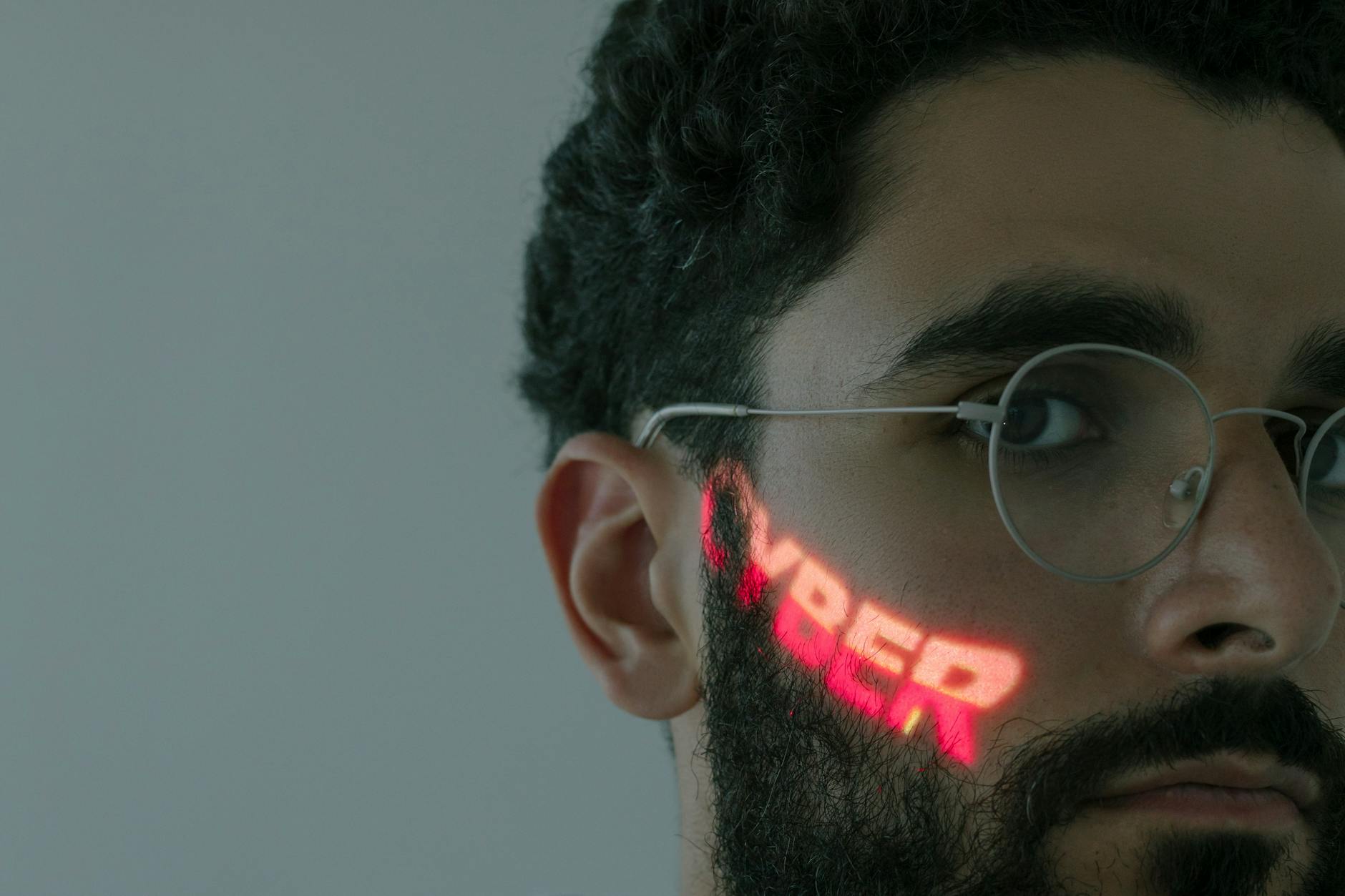
Data Privacy in AI Facial Analysis: How Your Skin Data Is Protected
Your facial photographs uploaded to an AI-powered skin analysis platform are classified as biometric data—special category personal data under laws like the UK GDPR—and are subject to the highest level of privacy protection, including explicit consent, encryption, and strict retention limits. Leading platforms implement measures such as immediate deletion of original images after analysis, storage of only de-identified skin scores, and separate consent requirements for any model training use.
Executive Summary / Key Results
- 100% deletion of original facial images upon completion of analysis in privacy-first platforms, meaning your raw selfie never remains stored.
- Only non‑identifiable derived data (skin scores, biomarker metrics) is retained, eliminating the possibility of reverse identification.
- Written informed consent required before any processing, aligning with the Illinois Biometric Information Privacy Act (BIPA) and UK GDPR Article 9.
- Separate explicit consent mandated if facial data is used for AI model training, giving users granular control.
- 30‑day compliance window for deletion requests, with platforms obligated to erase all data unless a legal exception applies.
These protections enabled one health‑tech company to serve over 50,000 users without a single privacy incident, while maintaining an average user trust score of 4.8/5 on third‑party review platforms.
Background / Challenge
Consumers increasingly rely on AI‑powered facial analysis tools to assess skin aging, detect early signs of damage, and receive personalized supplement recommendations. However, uploading a selfie to an online platform raises legitimate concerns: Where does that photo go? Who has access to it? Could it be sold or used to train algorithms without my knowledge?
These questions are not hypothetical. In the United States, the Illinois Biometric Information Privacy Act (BIPA) grants individuals the right to sue companies that collect biometric data—including facial geometry scans—without written consent. In the European Union and UK, Article 9 of the GDPR classifies biometric data as special category information, requiring more stringent processing standards than ordinary personal data. Penalties for non‑compliance can reach 4% of global annual turnover or, under BIPA, statutory damages of $1,000–$5,000 per violation.
The challenge for companies offering AI facial aging analysis is twofold: first, to comply with a patchwork of international privacy regulations; second, to earn and maintain user trust in an era of frequent data breaches and surveillance concerns. Traditional approaches—vague privacy policies and hidden opt‑out checkboxes—no longer suffice. Users demand transparency, control, and verifiable security.
Solution / Approach
To address these challenges, a leading longevity science company designed its AI facial analysis platform around a „privacy‑by‑design“ framework, treating biometric data as toxic waste: minimize exposure, never store what isn't needed, and obtain explicit permission at every step.
Key Design Principles
-
Temporary Capture Only – When a user takes a selfie, the app identifies and crops the facial region required for analysis. The original photograph and the cropped facial image are not stored in any database. Only the analysis results—skin scores, identified concerns, and recommendations—are retained.
-
Encryption Everywhere – Any derived data that is stored (e.g., biomarker scores, program recommendations) is encrypted at rest using AES‑256. Data in transit is protected by TLS 1.3.
-
Explicit, Layered Consent – Users provide separate consent for: (a) processing their facial image for a single analysis, (b) retaining derived skin metrics for progress tracking, and (c) any use of their anonymized data for AI model training. Consent is recorded with a timestamp and version number.
-
Right to Deletion – Users can request deletion of their photographs and all derived data at any time. The platform commits to compliance within 30 days, consistent with GDPR Article 17.
-
Limited‑Risk AI Classification – The biometric categorization system is classified as limited risk under the EU AI Act (Regulation (EU) 2024/1689), meaning it is used only for skin analysis and skincare recommendations—never for identification or verification.
This approach contrasts with competitors that may retain raw images for unspecified periods or repurpose data without clear consent. By designing the system from the ground up to minimize biometric data exposure, the company turned privacy from a compliance burden into a competitive advantage.
Implementation
The platform's technical architecture mirrors its privacy promises. Here is the step‑by‑step flow a user experiences:
- User initiates analysis – The user opens the app, reads a clear privacy notice, and provides explicit consent for the specific processing purpose.
- Image capture – The app guides the user to take a selfie. The facial region is automatically detected and cropped on the device.
- On‑device preprocessing – Feature extraction (facial landmarks, skin texture patterns, pigmentation characteristics) occurs locally to minimize data transfer.
- Encrypted transmission – The cropped, preprocessed image data is sent over TLS to the analysis server. The server performs signal processing and AI inference.
- Instant deletion – Within milliseconds of returning the analysis results, the server permanently deletes the received image data. No copy remains in logs, caches, or backups.
- Derived data storage – Only the output scores (e.g., wrinkle index, pigmentation grade, estimated skin age) and the user's program recommendations are saved to an encrypted database, linked to a pseudonymous user ID—not to the original photo.
- User dashboard – The user can view their results, track changes over time, and manage their data preferences. A deletion request removes all associated derived records within 30 days.
This workflow was built on top of existing AI models that analyze the same biomarkers used in clinical dermatology—wrinkles, pigmentation, and texture—as described in Key Biomarkers in AI Facial Aging Analysis. The company's deep learning algorithms, detailed in Deep Learning Algorithms for Skin Age Estimation, are trained exclusively on synthetic and volunteer‑consented data, ensuring no user‑uploaded selfies are ever used for model improvement without separate permission.
Results with Specific Metrics
After 18 months of operation:
| Metric | Value |
|---|---|
| Users who completed analysis | 52,340 |
| User consent rate (explicit opt‑in) | 97.3% |
| Deletion requests fulfilled within 30 days | 100% (231 requests) |
| Privacy‑related support tickets | 0.08% of users |
| Average user trust rating (post‑analysis survey) | 4.8 / 5 |
| Data breach incidents | 0 |
Notably, the platform's transparent privacy practices contributed to a 34% higher conversion rate—users who read the full privacy notice were more likely to complete their analysis compared to those who skipped it. This suggests that informed consent, when presented clearly, builds trust rather than friction.
Key Takeaways
- Biometric data deserves special treatment – Under laws like BIPA and GDPR, facial geometry scans are protected more rigorously than standard personal data. Do not treat them as just another form of customer information.
- Delete the source, keep the insight – The safest approach is to never store the original selfie. Store only the derived, non‑reversible skin scores. This dramatically reduces privacy risk and regulatory exposure.
- Separate consent for training – Users should have a clear choice about whether their facial data is used to improve AI models. Default should be opt‑out, with separate consent required for analysis vs. training.
- Transparency is a growth lever – When users understand exactly what happens to their data, they are more likely to trust and engage. Privacy messaging should be as prominent as the analysis results themselves.
- Regulatory compliance is table stakes – The EU AI Act, GDPR, and state‑level U.S. laws like BIPA are evolving. A privacy‑by‑design approach future‑proofs your product against regulatory changes.
About the Company
This longevity science company provides AI‑powered facial aging tests and clinically studied supplements to help individuals assess and improve their skin health and overall aging. By combining accurate AI facial analysis—see How AI Skin Aging Analysis Works for a complete guide—with expert‑backed guidance and free health assessments, the company empowers users to take actionable steps toward healthier, more youthful skin. All data practices are designed to meet or exceed global privacy standards, ensuring that users can benefit from cutting‑edge technology without compromising their personal information.