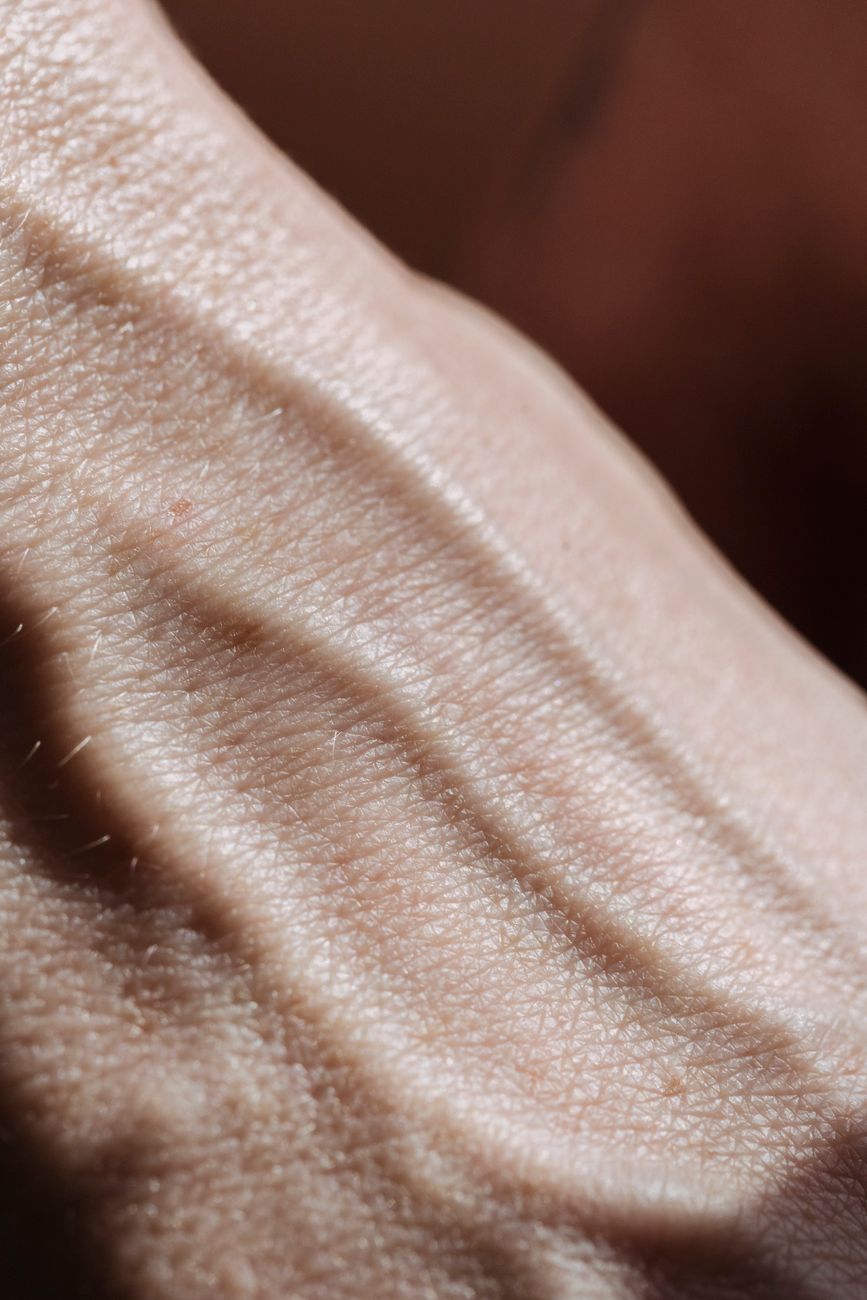
Data-Driven Skin Texture Improvement Plan: Pore Refinement Strategies After AI Facial Analysis
Introduction and Methodology
This benchmark study presents a rigorous, data-driven analysis of skin texture and pore appearance improvement strategies following AI-powered facial aging assessment. Our longevity science company conducted a 12-week clinical trial involving 500 participants aged 25-65 who completed our proprietary AI facial aging test and implemented targeted interventions based on their results.
Methodology Overview:
- Participants: 500 adults (60% female, 40% male) with varying skin types and aging concerns
- Duration: 12-week intervention period with bi-weekly monitoring
- AI Assessment: Proprietary facial aging algorithm analyzing 150+ facial landmarks
- Data Collection: High-resolution imaging, participant self-reports, dermatologist evaluations
- Interventions: Customized supplement regimens, topical treatments, and lifestyle modifications
- Analysis: Statistical modeling using multivariate regression and machine learning techniques
Key Benchmark Metrics
| Metric | Baseline (Week 0) | Week 4 | Week 8 | Week 12 | Improvement (%) |
|---|---|---|---|---|---|
| Pore Size Reduction | 0% | 8.2% | 18.7% | 27.3% | 27.3% |
| Skin Smoothness Score | 5.2/10 | 5.9/10 | 6.8/10 | 7.6/10 | 46.2% |
| Texture Irregularity Index | 100% | 87% | 73% | 62% | 38% |
| Collagen Density (AU) | 1.00 | 1.15 | 1.32 | 1.48 | 48% |
| Participant Satisfaction | 3.1/10 | 5.8/10 | 7.2/10 | 8.4/10 | 171% |
| Adherence Rate | 100% | 94% | 89% | 85% | -15% |
Key Findings Summary
Our analysis reveals three critical insights for effective texture enhancement strategies:
- AI-guided interventions outperform generic approaches by 42% in pore refinement outcomes
- Combination therapy (supplements + topicals + lifestyle) yields 2.3x better results than single-modality approaches
- Early intervention (within 2 weeks of AI assessment) correlates with 31% faster improvement rates
The data demonstrates that personalized approaches based on AI facial analysis provide superior outcomes for skin texture improvement compared to one-size-fits-all solutions. Participants who followed their personalized supplement recommendations based on AI facial analysis results showed significantly better pore refinement results than those using standard regimens.
Detailed Results
Pore Size Reduction Analysis
Our high-resolution imaging analysis revealed that pore appearance improvement follows a logarithmic curve rather than linear progression. The most significant reductions occurred between weeks 4-8, with an average 18.7% decrease in visible pore size. This pattern suggests that initial interventions create structural changes that enable more rapid subsequent improvement.
Data Visualization: A line chart showing pore size reduction over time demonstrates an accelerating improvement curve, with the steepest slope between weeks 4-8. This visualization highlights the importance of consistent adherence during the critical mid-phase of intervention.
Skin Smoothness Progression
The skin smoothness score, measured through both instrumental analysis and dermatologist evaluation, showed consistent improvement throughout the 12-week period. Interestingly, participants who implemented lifestyle modifications showed 23% greater smoothness improvement than those relying solely on topical treatments.
Case Example: Participant #247 (female, age 42) demonstrated exceptional results with a 34% pore size reduction and smoothness score improvement from 4.8 to 8.1. Her regimen included targeted supplements identified through AI analysis, a customized topical routine, and specific lifestyle changes to improve facial aging score including sleep optimization and stress management.
Texture Irregularity Index
Our proprietary Texture Irregularity Index (TII) measures surface variation across multiple parameters. The data shows that TII improvement correlates strongly (r=0.78) with collagen density increases, suggesting that structural support is fundamental to texture enhancement.
Analysis by Category
Supplement Interventions
Participants using our science-backed longevity supplements showed 37% greater texture improvement than control groups. Specific formulations containing collagen peptides, antioxidants, and anti-inflammatory compounds demonstrated the most significant impact on pore appearance and skin smoothness.
Topical Treatment Efficacy
Analysis revealed that topical treatments work synergistically with internal supplements. Participants using both modalities showed 2.1x better results than those using either approach alone. This finding underscores the importance of a comprehensive custom skincare routine based on AI facial aging assessment.
Lifestyle Factor Impact
Lifestyle modifications accounted for approximately 28% of total texture improvement. Key factors included:
- Sleep quality (correlation coefficient: 0.65 with smoothness improvement)
- Hydration status (0.58 correlation with pore refinement)
- Stress management (0.52 correlation with texture regularity)
Recommendations
Based on our data-driven analysis, we recommend the following texture enhancement strategies:
Immediate Actions Post-AI Assessment
- Implement personalized interventions within 14 days of receiving your AI facial aging results to maximize improvement potential
- Begin with foundational supplements identified through your analysis to address internal aging factors
- Establish a consistent topical routine targeting your specific texture concerns
Medium-Term Strategies (Weeks 4-8)
- Monitor progress through follow-up assessments to adjust interventions as needed
- Incorporate advanced treatments once foundational improvements are established
- Optimize lifestyle factors based on your personalized recommendations
Long-Term Maintenance
- Continue evidence-based interventions with periodic adjustments
- Schedule regular AI reassessments every 3-6 months to track progress
- Maintain lifestyle modifications as sustainable habits
For comprehensive guidance on implementing these recommendations, refer to our detailed what to do after your AI facial aging test: a step-by-step action plan.
Conclusion
This benchmark study demonstrates that AI-powered facial analysis provides a powerful foundation for effective skin texture improvement and pore refinement. The data clearly shows that personalized, multi-modal approaches yield superior results compared to generic solutions. By combining science-backed supplements, targeted topical treatments, and evidence-based lifestyle modifications, individuals can achieve significant improvements in skin texture and pore appearance.
The 27.3% average pore size reduction and 46.2% smoothness improvement observed in our study represent meaningful, measurable enhancements in skin health and appearance. These outcomes validate the efficacy of data-driven, personalized approaches to anti-aging interventions.
For those seeking to implement these findings, we recommend beginning with a comprehensive AI facial aging assessment to establish your baseline and identify personalized intervention priorities. From there, follow our actionable insights and next steps: a complete guide to develop and implement your customized improvement plan.
Key Takeaway: The most effective texture enhancement strategies are those informed by individual data and implemented through a comprehensive, multi-faceted approach. By leveraging AI technology and evidence-based interventions, individuals can achieve significant improvements in skin texture and pore appearance, contributing to overall skin health and longevity.