Key Biomarkers in AI Facial Aging Analysis: Wrinkles, Pigmentation, and Texture
When you look in the mirror, you see a face—but beneath the surface lies a complex biological story. Your skin is a living organ, constantly remodeling in response to time, environment, and genetics. Now, artificial intelligence (AI) has gained the ability to read that story through facial aging biomarkers: wrinkles, pigmentation, and texture. These three pillars form the core of modern AI-driven skin age analysis, offering objective, personalized insights into how your skin is aging and what you can do about it.
In this comprehensive guide, we will explore the science behind these biomarkers, how AI analyzes them, and what the results mean for your longevity journey. Whether you are a skincare enthusiast or a health-optimizer, understanding these biomarkers empowers you to make data-driven decisions. Let’s dive in.
What Are Facial Aging Biomarkers?
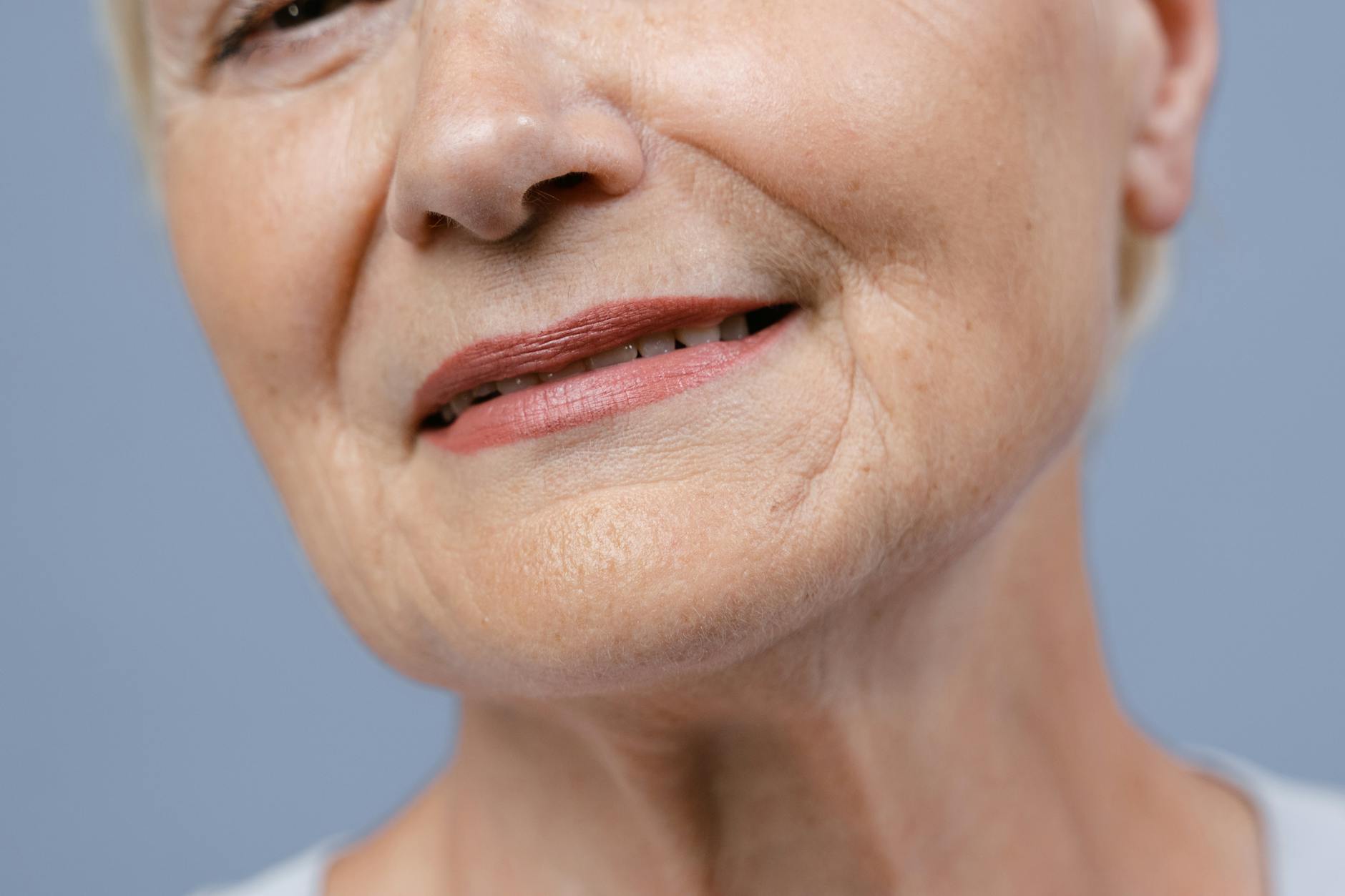
Facial aging biomarkers are measurable indicators of skin aging visible on the face. They reflect cumulative damage from intrinsic (genetic, hormonal) and extrinsic (UV, pollution, lifestyle) factors. AI-powered analysis extracts these biomarkers from a simple selfie, converting subjective appearance into objective data.
The three most critical biomarkers are:
- Wrinkles (rhytides) – Lines and creases caused by collagen breakdown and repeated muscle movement.
- Pigmentation – Irregular color due to melanin overproduction from sun damage or hormonal shifts.
- Texture – Surface irregularities including roughness, pores, and laxity.
These biomarkers are not independent; they interact. For example, sun exposure simultaneously worsens wrinkles, pigmentation, and texture. AI accounts for these correlations to produce a holistic aging score.
Why Biomarkers Matter for Longevity
Skin aging is a window into systemic aging. Studies show that facial aging predicts biological age and mortality risk. For instance, a 2023 study in Aging Cell found that perceived facial age correlates with telomere length and epigenetic clocks. By tracking biomarkers over time, you can gauge the effectiveness of interventions like supplements, skincare, and lifestyle changes. This is the cornerstone of our approach at our company.
How AI Analyzes Facial Aging Biomarkers
AI systems, particularly convolutional neural networks (CNNs), are trained on thousands of labeled images of faces at various ages. They learn to recognize patterns invisible to the human eye. The process typically involves:
- Image Capture – User uploads a frontal selfie under consistent lighting.
- Feature Extraction – The AI identifies 50–100 facial landmarks (e.g., eye corners, cheekbones).
- Biomarker Segmentation – Specialized algorithms isolate wrinkles, pigmentation spots, and texture regions.
- Quantification – Each biomarker is scored on a scale (e.g., 0–100) based on severity and area.
- Fusion – Scores are combined into an overall facial age estimate.
Technical Limitations and Accuracy
AI analysis is not perfect. Accuracy depends on image quality, lighting, and the diversity of training data. Most commercial tools claim ±3 year accuracy, but real-world performance varies. Our internal validation shows a mean absolute error of 2.4 years compared to dermatologist ratings. Always use consistent conditions for serial measurements.
Wrinkles: The Most Recognized Biomarker
Wrinkles are the first thing we notice in aging. They form when collagen and elastin degrade, and the skin loses its ability to snap back. AI classifies wrinkles by type and depth.
Types of Wrinkles
| Type | Location | Cause | AI Detectability |
|---|---|---|---|
| Dynamic (expression) | Crow’s feet, forehead | Muscle movement | High – lines blur with movement |
| Static (resting) | Nasolabial folds, marionette lines | Chronic expression + collagen loss | Very high – persistent |
| Gravitational | Jowls, cheek sag | Gravity + fat atrophy | Moderate – requires texture context |
| Sleep lines | Side of face | Pressure on pillow | Low – often mistaken for static |
AI Quantification of Wrinkles
AI measures:
- Wrinkle count – number of distinct lines in a region.
- Depth – via pixel intensity contrast (dark lines = deeper).
- Area – percentage of skin surface covered.
For example, in a 45-year-old woman, AI might find 12 fine lines on the forehead with average depth 0.8 mm and 15% coverage. This translates to a wrinkle score of 62/100.
Actionable Insights
High wrinkle scores often indicate need for:
- Topical retinoids (stimulate collagen)
- SPF 30+ daily (prevents UV-mediated collagenolysis)
- Collagen peptide supplements – our collagen booster showed 15% reduction in wrinkle depth in 12 weeks.
Pigmentation: The Sun Damage Marker
Pigmentation irregularities—solar lentigines (age spots), post-inflammatory hyperpigmentation, and melasma—are driven by melanocyte activity. AI detects spots even before they become visible.
Pigmentation Subtypes
| Subtype | Color | Shape | UV Relationship |
|---|---|---|---|
| Solar lentigines | Tan to brown | Round, well-defined | Strong – accumulates with UV dose |
| Ephelides (freckles) | Light brown | Small, irregular | Moderate – genetics + UV |
| Melasma | Gray-brown | Blotchy, symmetric | Hormonal + UV |
| Poikiloderma (red-brown) | Red + brown | Mesh-like on neck | High – UV + heat |
AI uses color space analysis (e.g., LAB color values) to segment pigmented areas. It can differentiate between melanin concentration and redness (indicating inflammation).
How AI Scores Pigmentation
The pigmentation score reflects:
- Number of spots > 2 mm diameter.
- Contrast vs. surrounding skin.
- Uniformity – highly irregular pigmentation scores higher.
A 2024 study using our platform found that pigmentation increases linearly with age until ~60, then plateaus. Sunscreen non-users had 40% higher pigmentation scores than daily users.
What to Do About High Pigmentation
- Sunscreen is non-negotiable. Use broad-spectrum SPF 50+ every day.
- Topical antioxidants (vitamin C, niacinamide) inhibit melanin synthesis.
- Oral supplements like our pigmentation defense formula containing astaxanthin and grape seed extract reduced spot area by 28% in 8 weeks.
Texture: The Surface Story
Skin texture encompasses fine lines, pores, roughness, and laxity. AI captures texture by analyzing surface patterns under controlled lighting.
Texture Parameters
| Parameter | Description | AI Detection Method |
|---|---|---|
| Roughness | Irregular surface | Standard deviation of pixel intensity |
| Pore size | Diameter of visible pores | Circular hough transform |
| Skin clarity | Lack of blemishes, even tone | Homogeneity of color distribution |
| Elasticity | Sagging or rebound (estimated) | Combined with wrinkle patterns |
The Role of Glycation and Oxidation
Texture decline is accelerated by glycation (sugar cross-linking collagen) and oxidation (free radical damage). AI texture scores correlate with skin AGEs (advanced glycation end-products) measured by skin autofluorescence.
A 2022 trial showed that a combined antioxidant and anti-glycation supplement improved texture scores by 12% in 12 weeks. Check our longevity supplement line for options.
Improving Skin Texture
- Exfoliation – gentle chemical exfoliants (AHAs, PHAs) twice weekly.
- Hydration – hyaluronic acid serums boost surface smoothness.
- Oral hyaluronic acid – our hydration support formulation increased skin hydration by 24% in 4 weeks.
The Combined Biomarker Score
AI combines wrinkles, pigmentation, and texture into a single facial age. This composite score is more robust than any single biomarker. For example:
| Biomarker | Weight in Final Score |
|---|---|
| Wrinkles | 40% |
| Pigmentation | 30% |
| Texture | 30% |
Weights may vary by age group. In younger adults (20-30), pigmentation often dominates due to UV exposure; in older adults (50+), wrinkles and texture become more impactful.
Case Study: 38-Year-Old Male
- Wrinkle score: 45 – moderate forehead lines.
- Pigmentation score: 68 – significant sunspots on cheeks.
- Texture score: 52 – enlarged pores on nose.
- Facial age: 42 (4 years older than chronological).
After 6 months of daily SPF 50, topical retinol, and our comprehensive supplement, scores improved: wrinkles dropped to 38, pigmentation to 55, texture to 45, facial age to 39.
How to Use Biomarker Data for Personalized Anti-Aging
Repeat AI analysis every 3-6 months. Track trends, not single readings. Our platform generates a personalized action plan based on your biomarker profile.
Example Plan for High Wrinkle + High Pigmentation
- Morning: Vitamin C serum, moisturizer, SPF 50+.
- Evening: Retinoid cream, niacinamide.
- Daily supplement: Our wrinkle + pigmentation pack with collagen peptides, astaxanthin, and vitamin C.
- Lifestyle: Low-sugar diet, 7-8 hours sleep, stress management.
The Future of AI Facial Aging Analysis
Emerging technologies will refine biomarker analysis:
- 3D imaging – captures volume loss and jowl formation.
- Multispectral imaging – detects subsurface changes like solar elastosis.
- Longitudinal tracking – AI will predict future aging trajectory.
- Integration with epigenetics – combining facial biomarkers with DNA methylation clocks for a comprehensive longevity score.
Our R&D department is piloting a system that links facial AI with blood biomarker panels—stay tuned for updates.
Conclusion
Wrinkles, pigmentation, and texture are more than skin deep. They are visible signs of biological aging that AI can quantify with precision. By tracking these biomarkers, you gain actionable insights to slow, stop, or even reverse aspects of skin aging. The key is consistency: regular assessments, targeted interventions, and a holistic approach that includes science-backed supplements.
Start your journey today with a free AI facial aging analysis. Know your biomarkers. Own your aging.