Resveratrol for Longevity: Does the Science Support the Hype?
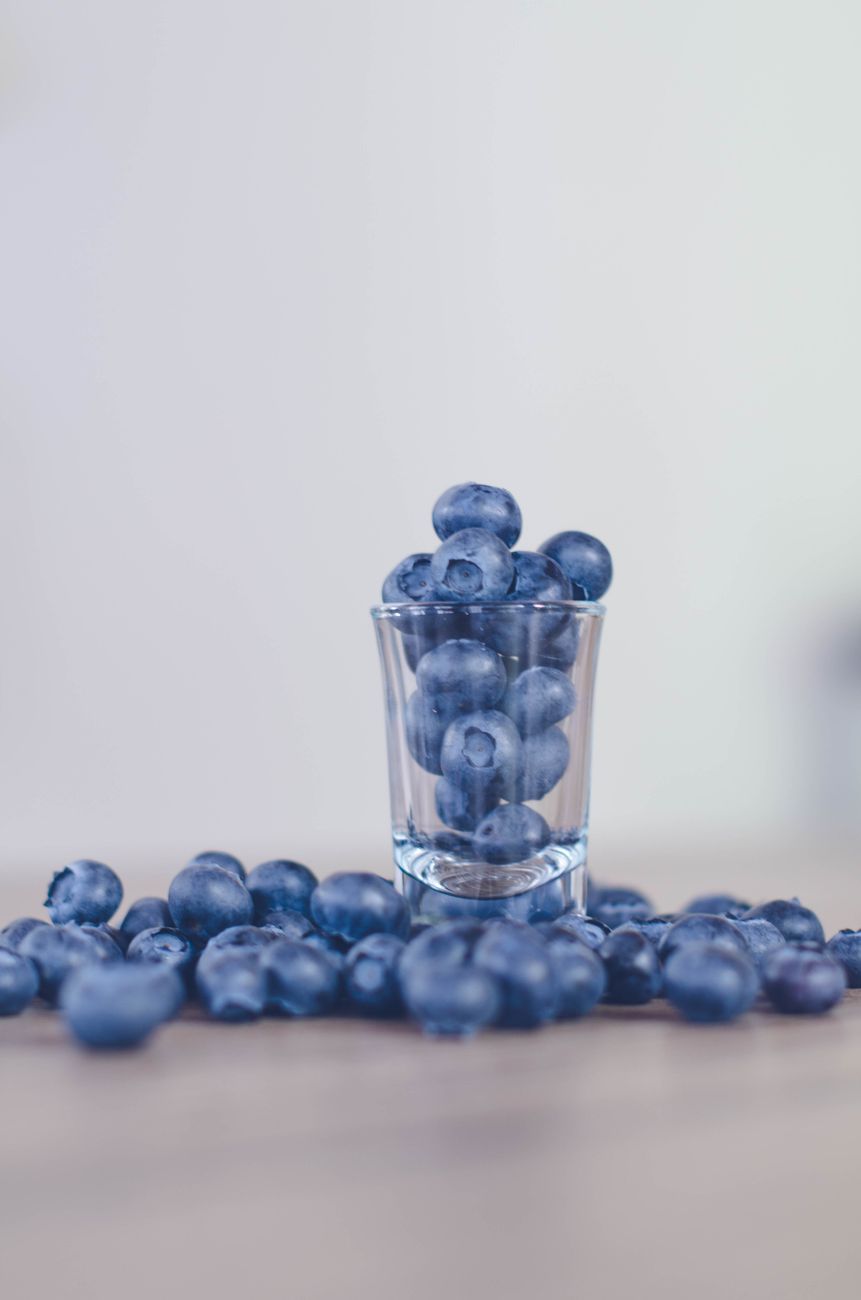
In the quest for extended healthspan and vitality, few compounds have captured public imagination like resveratrol. Found naturally in red grapes, berries, and peanuts, this polyphenol has been touted as a potential "fountain of youth" molecule since the early 2000s. But what does the actual scientific evidence reveal about resveratrol's anti-aging potential? This comprehensive guide examines the mechanisms, research findings, and practical implications of resveratrol supplementation for longevity.
What Is Resveratrol and Why Is It Important for Longevity?
Resveratrol (3,5,4'-trihydroxy-trans-stilbene) is a naturally occurring polyphenol produced by plants in response to stress, injury, or fungal infection. First isolated in 1940 from the roots of white hellebore, it gained scientific prominence in the 1990s when researchers began investigating the "French Paradox"—the observation that despite consuming diets high in saturated fats, French populations had relatively low rates of cardiovascular disease. Red wine consumption was hypothesized as a contributing factor, with resveratrol emerging as a potential active component.
The connection between resveratrol and longevity emerged from groundbreaking research in the early 2000s. Scientists discovered that resveratrol could activate sirtuins, a family of proteins associated with lifespan extension in various organisms. This discovery positioned resveratrol at the forefront of anti-aging research and sparked intense scientific investigation into its potential health benefits.
The Science Behind Resveratrol's Anti-Aging Mechanisms
Resveratrol exerts its effects through multiple biological pathways, making it a particularly interesting compound for longevity research. Understanding these mechanisms is crucial for evaluating its potential benefits.
Sirtuin Activation: The Longevity Connection
Sirtuins are NAD+-dependent deacetylases that play crucial roles in cellular stress response, DNA repair, metabolism, and aging. Resveratrol's ability to activate SIRT1, the most studied mammalian sirtuin, represents one of its most significant anti-aging mechanisms. By activating SIRT1, resveratrol mimics some effects of calorie restriction—the only intervention consistently shown to extend lifespan across multiple species.
Research indicates that SIRT1 activation by resveratrol promotes mitochondrial biogenesis, enhances cellular stress resistance, and improves metabolic function. These effects collectively contribute to what scientists call "healthspan"—the period of life spent in good health rather than merely extending chronological age.
AMPK Pathway Activation
Resveratrol also activates AMP-activated protein kinase (AMPK), an enzyme that functions as a cellular energy sensor. When activated, AMPK promotes cellular energy production, enhances glucose uptake, and improves insulin sensitivity. This metabolic regulation is particularly relevant for age-related conditions like type 2 diabetes and metabolic syndrome.
Antioxidant and Anti-Inflammatory Properties
Chronic inflammation and oxidative stress are hallmarks of aging. Resveratrol demonstrates potent antioxidant activity, neutralizing free radicals and reducing oxidative damage to cells. Additionally, it modulates inflammatory pathways by inhibiting pro-inflammatory cytokines and enzymes like COX-2. These combined effects help mitigate age-related inflammatory processes that contribute to various chronic diseases.
For a deeper understanding of how longevity ingredients work at the cellular level, explore our comprehensive guide on core longevity ingredients and their mechanisms.
Key Research Findings on Resveratrol and Longevity
Animal Studies: Promising Results
Early animal research generated considerable excitement about resveratrol's potential. In 2006, a landmark study published in Nature demonstrated that resveratrol supplementation extended lifespan in yeast, worms, flies, and fish. Perhaps most notably, a 2013 study in mice showed that resveratrol improved health parameters in animals fed a high-calorie diet, bringing their survival curves closer to those of normally-fed mice.
However, it's important to note that animal studies don't always translate directly to human benefits. The doses used in many animal studies are significantly higher than what humans typically consume through diet or supplements.
Human Clinical Trials: Mixed Evidence
Human research on resveratrol has produced more nuanced results. While some studies show promising effects on specific health markers, others show limited benefits. A 2014 meta-analysis of randomized controlled trials found that resveratrol supplementation significantly improved flow-mediated dilation (a measure of blood vessel health) and reduced systolic blood pressure in individuals with higher cardiovascular risk.
More recent research has focused on resveratrol's effects on specific age-related conditions:
- Cardiovascular Health: Multiple studies suggest resveratrol may improve endothelial function and reduce inflammation markers.
- Cognitive Function: Some research indicates potential neuroprotective effects, though results are inconsistent.
- Metabolic Health: Several trials show improvements in insulin sensitivity and glucose metabolism in individuals with metabolic disorders.
The Dose-Response Challenge
One of the challenges in resveratrol research is determining optimal dosing. Bioavailability—the amount that actually reaches systemic circulation—varies significantly based on formulation and individual factors. Most human studies have used doses ranging from 150mg to 1,000mg daily, but consensus on optimal dosing for longevity benefits remains elusive.
Resveratrol's Impact on Specific Aging Biomarkers
Scientific understanding of aging has evolved to focus on measurable biomarkers rather than chronological age alone. Research has examined resveratrol's effects on several key aging biomarkers:
| Biomarker | Resveratrol's Effect | Research Evidence |
|---|---|---|
| Telomere Length | Mixed results; some studies show protective effects | Limited human evidence; requires more research |
| Inflammatory Markers | Reduces CRP, IL-6, TNF-α | Consistent evidence from multiple studies |
| Oxidative Stress | Decreases lipid peroxidation, increases antioxidant enzymes | Strong evidence in cellular and animal models |
| Metabolic Parameters | Improves insulin sensitivity, glucose tolerance | Moderate evidence in human trials |
| Epigenetic Clocks | Preliminary evidence of favorable effects | Emerging research area |
Comparing Resveratrol to Other Longevity Compounds
Resveratrol is just one of many compounds being investigated for longevity benefits. Understanding how it compares to other promising molecules provides valuable context.
Resveratrol vs. NAD+ Boosters
While resveratrol activates sirtuins indirectly, NAD+ boosters like NMN and NR work by increasing cellular NAD+ levels, which sirtuins require as a cofactor. This creates an interesting potential synergy: NAD+ boosters provide the fuel, while resveratrol helps activate the enzymes. For a detailed comparison of NAD+ boosting strategies, see our analysis of NMN vs. NR for longevity benefits.
Resveratrol vs. Other Polyphenols
Compared to other plant compounds like curcumin or quercetin, resveratrol has particularly strong evidence for sirtuin activation. However, different polyphenols often work through complementary mechanisms, suggesting potential benefits from combined approaches.
Practical Considerations for Resveratrol Supplementation
Bioavailability Challenges and Solutions
One of the major limitations of resveratrol is its poor bioavailability. When taken orally, much of the compound is rapidly metabolized and excreted. Several strategies have been developed to address this:
- Liposomal formulations: Encapsulation in lipid spheres improves absorption
- Combination with piperine: Black pepper extract inhibits metabolic enzymes that break down resveratrol
- Timed-release formulations: Slow release improves sustained blood levels
- Trans-resveratrol vs. cis-resveratrol: The trans-isomer is more biologically active and stable
Recommended Dosages Based on Current Evidence
While optimal dosing remains an area of active research, most human studies showing benefits have used doses between 250mg and 1,000mg daily of trans-resveratrol. Starting with lower doses (100-250mg) and gradually increasing allows assessment of individual tolerance.
Safety Profile and Potential Side Effects
Resveratrol is generally well-tolerated at recommended doses. Reported side effects are typically mild and may include digestive discomfort, headaches, or interactions with certain medications (particularly blood thinners). As with any supplement, consultation with a healthcare provider is recommended, especially for individuals with existing health conditions or those taking medications.
The Future of Resveratrol Research
Emerging Areas of Investigation
Current research is exploring several promising directions:
- Synergistic combinations: Studying resveratrol in combination with other compounds like NAD+ boosters, metformin, or rapamycin
- Personalized approaches: Investigating genetic factors that influence individual responses to resveratrol
- Novel delivery systems: Developing more efficient methods to improve bioavailability and tissue targeting
- Long-term human studies: Larger, longer-duration trials to assess effects on lifespan and healthspan
Technological Advances in Resveratrol Formulation
Recent advances in nanotechnology and pharmaceutical formulation are creating new possibilities for resveratrol delivery. These innovations aim to overcome traditional limitations and maximize therapeutic potential.
Integrating Resveratrol into a Comprehensive Longevity Strategy
Beyond Supplementation: Lifestyle Factors
While resveratrol shows promise, it's most effective as part of a comprehensive approach to healthy aging. Key lifestyle factors that synergize with resveratrol's effects include:
- Regular physical activity, particularly high-intensity interval training
- A Mediterranean-style diet rich in polyphenols
- Adequate sleep and stress management
- Intermittent fasting or time-restricted eating
Case Example: Combining Strategies for Optimal Results
Consider Sarah, a 52-year-old professional interested in maintaining cognitive function and metabolic health as she ages. Her comprehensive approach includes:
- Dietary foundation: Mediterranean diet with emphasis on resveratrol-rich foods (red grapes, blueberries, peanuts)
- Targeted supplementation: 500mg trans-resveratrol with piperine for enhanced absorption
- Exercise regimen: Combination of strength training and cardiovascular exercise
- Sleep optimization: Consistent sleep schedule and sleep hygiene practices
- Stress management: Daily meditation and mindfulness practice
After six months, Sarah reported improved energy levels, better sleep quality, and maintained cognitive performance on standardized tests. While individual results vary, this integrated approach exemplifies how resveratrol can complement broader longevity strategies.
Expert Insights on Resveratrol's Role in Longevity
Leading researchers in the field offer valuable perspectives on resveratrol's place in longevity science. Dr. David Sinclair, a prominent Harvard geneticist, notes: "While resveratrol alone isn't a magic bullet for longevity, it represents an important piece of the puzzle. Its ability to activate sirtuins provides a mechanism for enhancing cellular resilience—a fundamental aspect of healthy aging."
Other experts emphasize the importance of realistic expectations. As Dr. Judith Campisi, a renowned cell biologist, explains: "The aging process is incredibly complex. Single compounds rarely provide comprehensive solutions, but they can contribute meaningfully to multi-faceted approaches."
Conclusion: Balancing Hope with Scientific Reality
The scientific investigation of resveratrol for longevity presents a complex but promising picture. While early hype may have overstated immediate anti-aging benefits, substantial evidence supports resveratrol's role in promoting healthspan through multiple biological mechanisms.
Key takeaways from current research include:
- Mechanistic validity: Resveratrol activates important longevity pathways, particularly sirtuins and AMPK
- Biomarker improvements: Consistent evidence shows benefits for inflammation, oxidative stress, and metabolic parameters
- Practical considerations: Bioavailability challenges require careful formulation selection
- Integrated approach: Maximum benefits occur when combined with other longevity-supporting practices
- Ongoing research: New studies continue to refine our understanding of optimal use
As research advances, resveratrol remains a valuable component of science-based longevity strategies. While not a standalone solution for eternal youth, it represents one of the most thoroughly studied natural compounds for supporting healthy aging. The future likely holds more refined formulations, better understanding of individual responses, and clearer guidelines for integrating resveratrol into comprehensive longevity protocols.
For those interested in exploring resveratrol as part of their longevity strategy, starting with a high-quality formulation, combining it with lifestyle interventions, and maintaining realistic expectations based on current scientific evidence offers the most sensible approach. As with all aspects of longevity science, staying informed about emerging research ensures that strategies evolve with scientific understanding.