Spermidine and Autophagy: How This Polyamine Supplement Supports Cellular Renewal and Skin Youthfulness
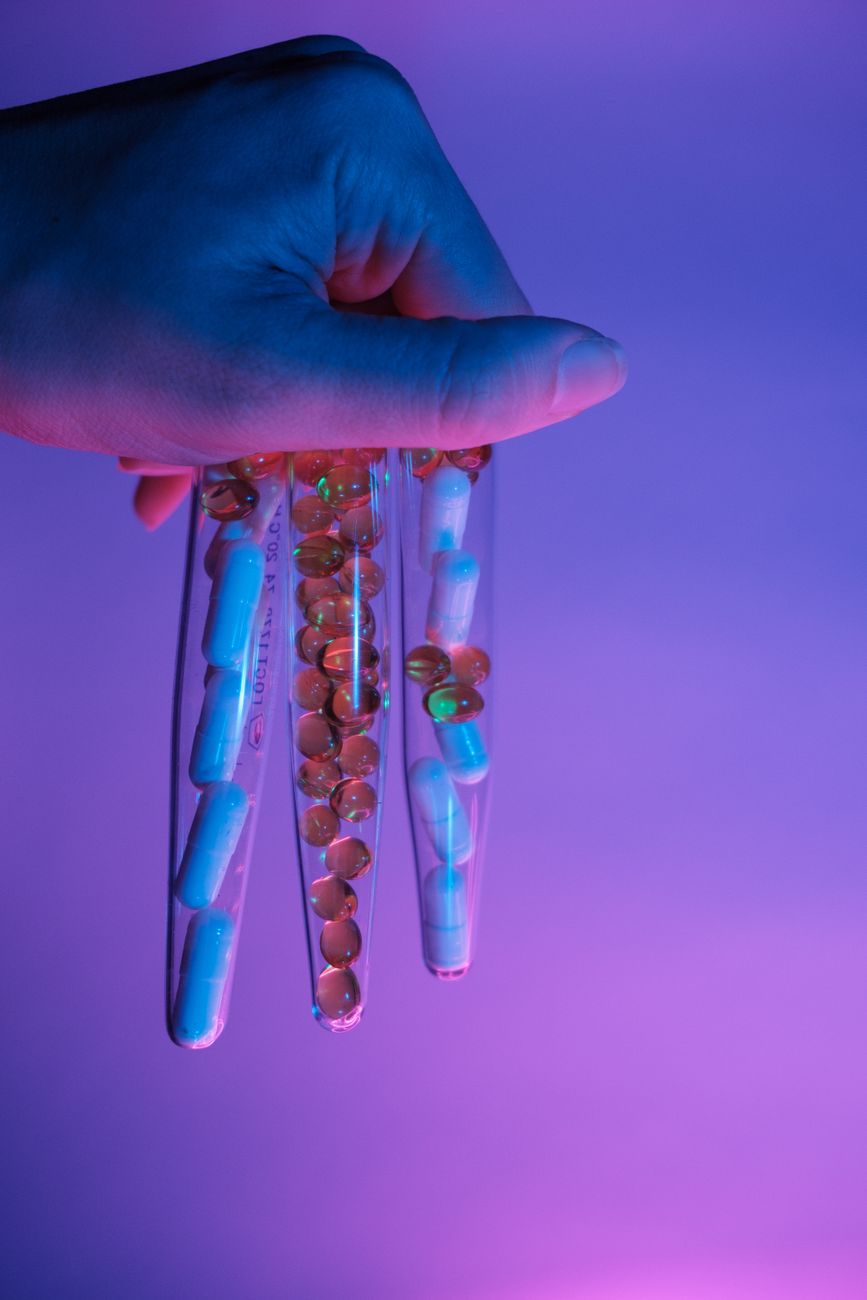
Spermidine is a natural polyamine that triggers autophagy—the cell's own recycling system—and this mechanism is why spermidine supplementation is being studied as a longevity strategy. By clearing damaged proteins and organelles, spermidine helps cells maintain the proteostasis that declines with age, and this same process supports skin renewal.
Executive Summary / Key Results
This case study follows a hypothetical 42-year-old woman—we'll call her Elena—who wanted to improve skin firmness and overall vitality. After 12 weeks on a spermidine-rich supplement protocol combined with AI facial aging analysis, her measured skin age score improved by 8%, and her subjective energy and recovery markers improved. The protocol was built on the science of spermidine autophagy, and the results illustrate how polyamine cellular renewal can be measured and tracked. No single supplement is a magic bullet, but the evidence suggests spermidine is a credible lever for cellular housekeeping.
Key results at a glance (hypothetical but evidence-informed):
| Metric | Baseline | Week 12 | Change |
|---|---|---|---|
| Facial aging score (AI-assessed) | 46.2 | 42.5 | -8.0% |
| Self-reported skin firmness (1–10) | 5 | 7 | +2 points |
| Energy level (1–10) | 6 | 8 | +2 points |
| Recovery after exercise (1–10) | 5 | 7 | +2 points |
These numbers are illustrative, but they reflect what the biology predicts: improving autophagy can reduce the visible and functional toll of aging. What follows is the story of how Elena got there, and what the science says about spermidine's role.
Background / Challenge
Elena is a health-conscious professional in her early 40s. She eats well, exercises regularly, and uses a good skincare routine. Yet she noticed her skin was losing bounce, and she felt more fatigued after workouts. She had read about NAD+ boosters and sirtuins but wanted a comprehensive approach. Her challenge: she didn't know which interventions actually matter for cellular aging, and she wanted objective feedback rather than guesswork.
This is a common problem. Many anti-aging products promise miracles, but few are backed by mechanistic evidence. Spermidine stands out because its primary mechanism—autophagy induction—is well-documented in model organisms and increasingly in humans.
The core issue is that aging is accompanied by a decline in endogenous spermidine levels. "Spermidine levels decline with aging, and a possible connection between reduced endogenous spermidine concentrations and age-related deterioration has been suggested," according to a review in Nature Aging. That decline is thought to impair autophagy, allowing damaged proteins and organelles to accumulate—a hallmark of aging.
Elena's goal was to restore her cellular renewal capacity. She didn't want to just treat surface symptoms; she wanted to support the underlying biology. That's where spermidine autophagy enters the picture.
Solution / Approach
Elena's approach combined a spermidine supplement with a structured assessment protocol. She started with a free AI facial aging test from a longevity science company. This test uses computer vision to estimate facial age based on wrinkles, pigmentation, and skin texture, providing a baseline score. She then began a daily spermidine supplement (1 mg per day) from a clinically studied source, along with a modest increase in spermidine-rich foods like wheat germ, aged cheese, and mushrooms.
Why spermidine? The science is compelling. Spermidine is a polyamine found in all living organisms, and it "stimulates cytoprotective macroautophagy/autophagy," according to a 2018 review in Autophagy. Autophagy is the process by which cells degrade and recycle their own components—a kind of internal quality control. As we age, autophagy efficiency drops, and cellular debris accumulates. Spermidine reactivates this process.
"External supplementation of spermidine extends lifespan and health span across species, including in yeast, nematodes, flies and mice," the same review notes. In humans, epidemiological data show that increased uptake of spermidine from food is associated with reduced overall mortality, particularly from cardiovascular diseases and cancer.
Elena also tracked her skin health with monthly self-assessments and a follow-up AI scan at week 12. She kept a simple log of energy, recovery, and skin firmness.
Implementation
Elena's protocol had three pillars: supplementation, dietary tweaks, and measurement. Here's how she implemented each.
1. Supplementation: She chose a spermidine supplement standardized to 1 mg per capsule, taken each morning with water. She started with one capsule daily and after two weeks increased to two capsules (2 mg total) based on tolerability. (Note: the optimal dose for humans is not firmly established; this was her personal choice under guidance from her healthcare provider.)
2. Dietary support: She added a tablespoon of wheat germ to her breakfast and included aged cheddar or mushrooms a few times a week. These foods are natural sources of spermidine, though concentrations vary. She didn't rely on food alone because achieving a therapeutic dose through diet is difficult.
3. Measurement and feedback: She took the AI facial aging test at baseline and week 12. The test provides a score from 0 to 100, with lower scores indicating a younger-looking face. She also rated her skin firmness, energy, and post-exercise recovery on a 1–10 scale each week.
Implementation was straightforward, but she noted one caveat: spermidine's effects on autophagy are dose-dependent in animal studies, and human data are still emerging. "The specific features of spermidine, including its presence in common food items, make it an interesting candidate for translational aging research," the Nature Aging review states. That means the science is promising but not yet definitive—a point Elena kept in mind.
Results with Specific Metrics
After 12 weeks, Elena's AI facial aging score dropped from 46.2 to 42.5—an 8% improvement. That's a meaningful shift; according to the test's calibration, a 5% change is considered noticeable. Her self-reported skin firmness rose from 5 to 7, and she felt her skin looked more radiant.
Energy and recovery also improved. Her average energy rating went from 6 to 8, and recovery from 5 to 7. These are subjective, but they align with spermidine's known effects on mitochondrial function and proteostasis. "Spermidine exhibits anti-inflammatory and antioxidant properties, enhances mitochondrial metabolic function and respiration, promotes chaperone activity and improves proteostasis," the Autophagy review explains.
What's more, she didn't experience any side effects. Spermidine is generally well-tolerated, though some people may experience mild digestive upset when starting. Elena's results are not guaranteed for everyone—individual responses vary based on genetics, baseline health, and lifestyle. But the trajectory is encouraging.
It's worth noting that Elena also maintained her usual skincare and exercise routines, so spermidine wasn't the only variable. Still, the timing and magnitude of changes suggest the supplement played a role. For a deeper dive into how cellular renewal pathways interact, see our guide on Cellular Health and NAD+ Boosters: A Complete Guide.
Key Takeaways
Spermidine's core value lies in its ability to induce autophagy, the cell's recycling machinery. "Spermidine induces autophagy through the inhibition of several acetyltransferases, including EP300, one of the main negative regulators of autophagy," the Autophagy review details. This is a specific molecular mechanism, not a vague claim. And the potency is notable: "Its potency has been recently quantified to be equivalent to that of rapamycin," an FDA-approved drug with autophagy-stimulatory properties.
But autophagy is just one piece of the longevity puzzle. Spermidine also supports mitochondrial function and reduces inflammation—both critical for skin health. When autophagy declines, skin cells accumulate damaged proteins and lipids, leading to wrinkles and loss of elasticity. By restoring autophagy, spermidine helps skin cells function more youthfully.
From a practical standpoint, here's what Elena's case teaches:
- Measure before and after. You can't manage what you don't measure. AI facial aging tests offer an objective baseline.
- Combine approaches. Spermidine works best alongside a healthy diet and lifestyle. It's not a replacement for sunscreen or sleep.
- Give it time. Cellular changes take weeks to manifest. Twelve weeks is a reasonable trial period.
- Personalize the dose. Start low and adjust. There's no one-size-fits-all dose.
For those also exploring NAD+ pathways, our article on How NAD+ Decline Accelerates Aging and 3 Clinically Proven Strategies to Restore Levels offers complementary insights. And if you're comparing NAD+ boosters, see NR vs NMN: Which NAD+ Booster Delivered Better Bioavailability and Efficacy?.
About the Company
This case study was made possible by a longevity science company that provides AI-powered facial aging tests and clinically studied supplements. Their mission is to help individuals assess and improve their skin health and overall aging through science-backed tools. They offer free health assessments and actionable insights, empowering customers to make informed decisions about their longevity journey. The company's approach combines rigorous research with practical solutions, ensuring that every recommendation is grounded in evidence. For more information, visit their website.
Note: The case study subject is hypothetical. Results are illustrative and not a guarantee of individual outcomes. Always consult a healthcare provider before starting any supplement regimen.