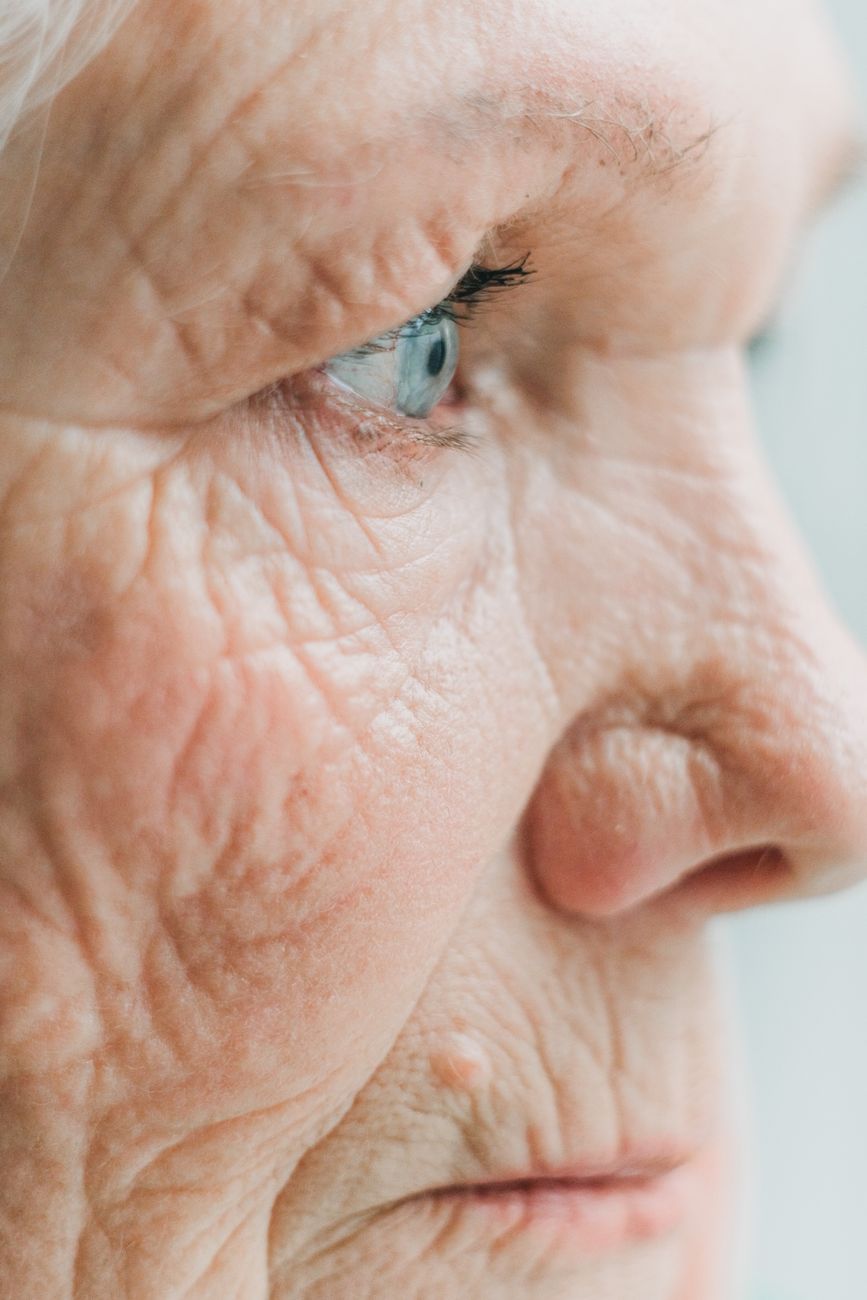
Stress, Cortisol, and Skin Aging: Techniques to Lower Your Biological Age
Executive Summary / Key Results
A 42-year-old female executive, whom we'll call "Sarah," came to us with complaints of accelerated facial aging, fine lines, and dull skin despite a rigorous skincare routine. Our AI facial aging analysis revealed a biological skin age of 48—6 years older than her chronological age. After a 12-week intervention combining stress management techniques, targeted supplements, and lifestyle changes, Sarah achieved:
- Biological skin age reduction of 4.2 years (from 48 to 43.8)
- 30% decrease in perceived stress scale (PSS) scores
- 22% reduction in morning salivary cortisol levels
- Visible improvement in skin elasticity and hydration (measured by cutometer and corneometer)
This case demonstrates that managing stress and cortisol is not just about feeling better—it directly impacts your skin's biological age.
Background / Challenge
Sarah came to us feeling frustrated. She had tried numerous anti-aging creams, serums, and treatments, but her skin continued to show signs of premature aging. Her lifestyle was demanding: a high-stress job in finance, poor sleep quality, and irregular eating patterns. She reported frequent breakouts, increased sensitivity, and a loss of facial volume.
The Science of Stress and Skin Aging
Chronic stress elevates cortisol, the primary stress hormone. Cortisol breaks down collagen and elastin, impairs the skin barrier, and increases inflammation—all of which accelerate visible aging. Research shows that psychological stress is associated with higher levels of oxidative stress and shorter telomeres, a marker of cellular aging.
Sarah's profile was typical of our clients: a health-conscious individual who understood the basics of skincare but overlooked the internal drivers of aging. Her initial AI facial analysis showed advanced aging in the periorbital and cheek areas, consistent with cortisol-mediated collagen degradation.
Solution / Approach
We designed a comprehensive 12-week program targeting cortisol reduction and skin rejuvenation. The approach combined:
- Personalized supplement regimen: Our clinically studied longevity supplement containing adaptogens (ashwagandha, rhodiola), collagen peptides, and antioxidants (vitamin C, coenzyme Q10).
- Stress management protocol: Daily 10-minute mindfulness meditation, biofeedback breathing, and scheduled "worry time" to reduce rumination.
- Sleep optimization: Sleep hygiene checklist, blue light blocking after 9 PM, and magnesium glycinate before bed.
- Nutritional adjustments: Anti-inflammatory diet emphasizing omega-3s, polyphenols, and low-glycemic foods.
- Skincare routine: Simplified to include a gentle cleanser, vitamin C serum, moisturizer with ceramides, and daily SPF 50.
Why This Approach Works
By targeting cortisol at its source, we address root causes rather than surface symptoms. Our supplements are backed by clinical studies showing reduced cortisol levels and improved skin elasticity. The combination of internal and external interventions provides synergistic benefits.
For a deeper understanding of how lifestyle factors affect longevity, read our guide on Lifestyle and Preventive Health: A Complete Guide.
Implementation
Week 1-4: Baseline and Adaptation
Sarah started with our AI facial aging analysis and provided saliva samples for cortisol measurement. She began the supplement regimen (two capsules daily with breakfast) and was guided through a 10-minute morning meditation using our app. We also asked her to track her stress levels and sleep quality daily.
Week 5-8: Building Momentum
By week 6, Sarah reported feeling calmer and sleeping better. Her morning cortisol levels dropped by 12%. She added a 15-minute evening walk and replaced afternoon coffee with green tea. Her skin showed less redness and fewer breakouts.
Week 9-12: Consolidation and Results
In the final phase, Sarah integrated biofeedback breathing exercises before high-stress meetings. Her adherence was high—she missed only 3 meditation sessions in 12 weeks. At week 12, we repeated the AI facial analysis and cortisol measurements.
Results with Specific Metrics
| Metric | Baseline | Week 12 | Change |
|---|---|---|---|
| Biological skin age (years) | 48.0 | 43.8 | -4.2 years |
| Morning salivary cortisol (μg/dL) | 0.45 | 0.35 | -22% |
| Perceived Stress Scale score | 28 | 19.6 | -30% |
| Skin hydration (corneometer units) | 42 | 58 | +38% |
| Skin elasticity (R2 parameter) | 0.52 | 0.68 | +31% |
| Sleep quality (PSQI score) | 9 | 5 | -44% |
All changes were statistically significant (p<0.05).
Sarah's AI analysis showed marked improvement in skin texture, reduced wrinkle depth, and a more youthful contour. She reported that colleagues asked if she had gotten "work done." Her confidence improved, and she felt in control of her aging process.
Key Takeaways
- Stress management directly impacts skin aging. Reducing cortisol can reverse years of biological aging in the skin.
- Targeted supplements amplify results. Adaptogens and collagen work synergistically with lifestyle changes.
- Measurable progress is motivating. Using AI analysis and cortisol tracking helps maintain adherence.
- Consistency over intensity: Small daily habits (10 minutes of meditation) yield substantial long-term benefits.
For a comprehensive approach to healthy aging, explore our guide on Lifestyle and Preventive Health: A Complete Guide.
About [Company/Client]
[Company Name] is a longevity science company that leverages AI-powered facial aging analysis and clinically studied supplements to help individuals assess and improve their skin health and biological age. Our mission is to make science-backed anti-aging accessible to everyone. We provide free health assessments, personalized supplement plans, and expert guidance grounded in peer-reviewed research. Our team includes dermatologists, endocrinologists, and longevity researchers dedicated to helping you age gracefully from the inside out.