Antioxidants for Skin: Topical vs. Dietary — Which Works Better?
Antioxidants neutralize free radicals, reducing oxidative stress that accelerates skin aging. Both topical and dietary antioxidants benefit skin, but they work through different pathways: dietary antioxidants support skin from within over time, while topical antioxidants act directly on the skin surface, especially on sun-exposed areas. For most people, combining both approaches—while prioritizing a diet rich in fruits, vegetables, nuts, and seeds—offers the most comprehensive protection against oxidative damage.
Executive Summary / Key Results
A 2025 narrative review synthesizing peer-reviewed literature (2013–2025) confirms that both dietary and topical antioxidants play a significant role in maintaining skin health by neutralizing free radicals, reducing oxidative stress, and improving clinical outcomes in conditions like photodamage and inflammatory dermatoses. Key findings include:
- Dietary antioxidants (from foods) are absorbed and distributed throughout the body, providing gradual, whole-body support—not just skin benefits.
- Topical antioxidants (like vitamin C, E, ferulic acid, and resveratrol) act closer to the site of environmental exposure, particularly benefiting the face.
- Efficacy depends on formulation, concentration, bioavailability, and mode of delivery—not just the ingredient itself.
- Antioxidants complement, but never replace, standard photoprotection (sunscreen) and a diet rich in fruits and vegetables.
Bottom line: For skin aging, both routes are valuable. Dietary antioxidants are the sustainable foundation; topical solutions offer targeted defense. Your best strategy combines both.
Background / Challenge
Oxidative stress—an imbalance between free radicals and antioxidants—is a primary driver of skin aging. Free radicals are unstable molecules that damage cellular structures, including collagen and DNA. Environmental factors such as UV radiation, pollution, and even normal metabolism generate free radicals. When they outnumber antioxidants, the resulting oxidative stress accelerates visible aging: wrinkles, loss of elasticity, uneven tone, and inflammation.
For adults in their 30s and beyond, the challenge is practical: Should you invest in expensive serums or overhaul your diet? Skincare brands push topical antioxidants as the gold standard, while nutritionists argue that what you eat matters most. The truth is more nuanced.
Solution / Approach: Two Delivery Routes, One Goal
The body uses antioxidants to neutralize free radicals, aiming to restore redox balance (the equilibrium between oxidants and antioxidants). You can deliver these antioxidants through two main routes:
- Dietary: Antioxidants from foods are absorbed in the gut, processed, and distributed via the bloodstream. Their skin effects are gradual and part of overall health support.
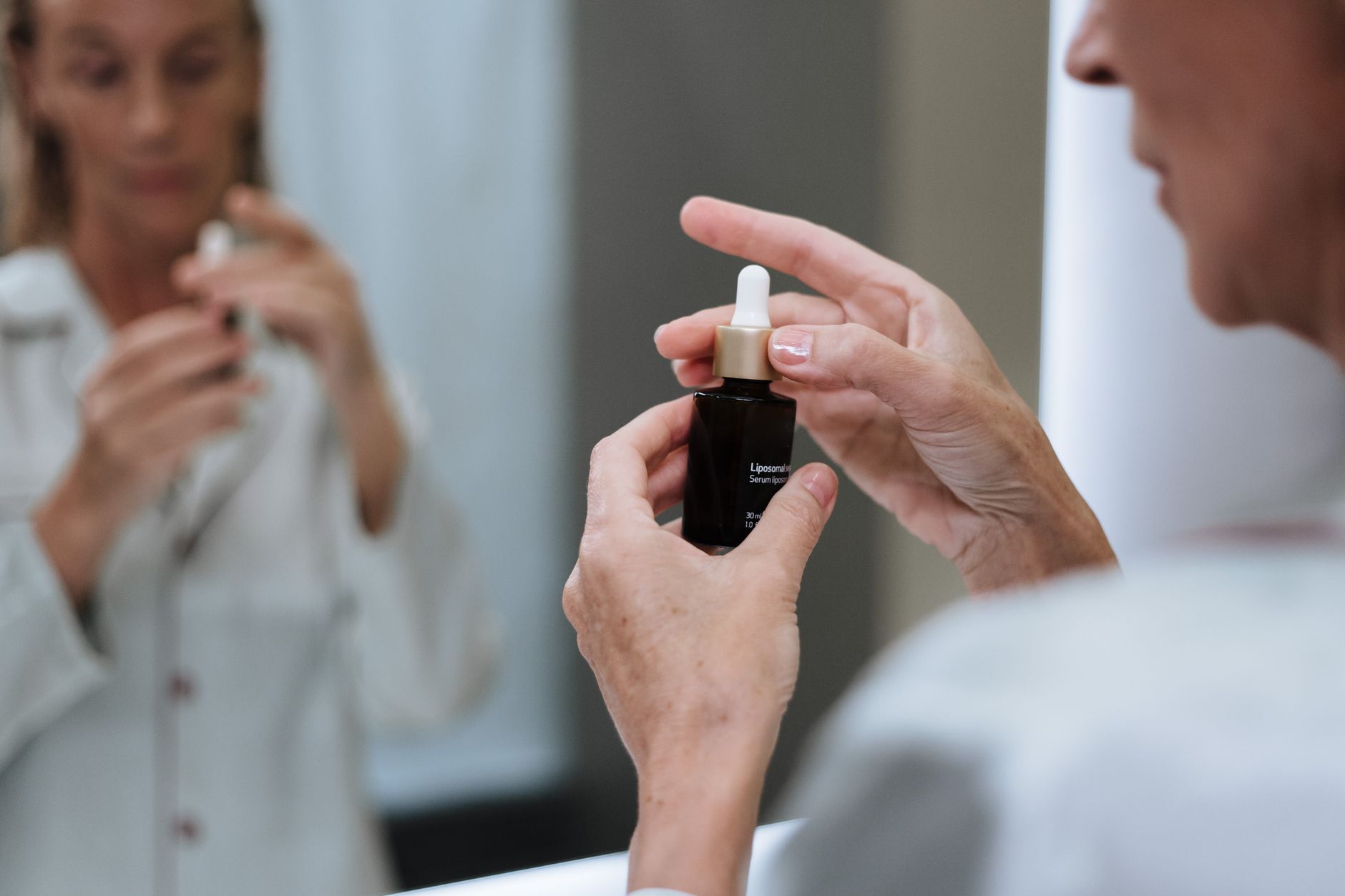
- Topical: Applied directly to the skin, often in serums, creams, or lotions. They act locally, right where environmental stressors hit—especially on the face.
This distinction matters because the skin has layers. Dietary antioxidants reach the dermis (inner layer) via blood, while topical agents primarily penetrate the epidermis (outer layer). Neither route alone saturates all skin layers optimally; a combination is logical.
Implementation: How to Use Dietary Antioxidants for Skin Health
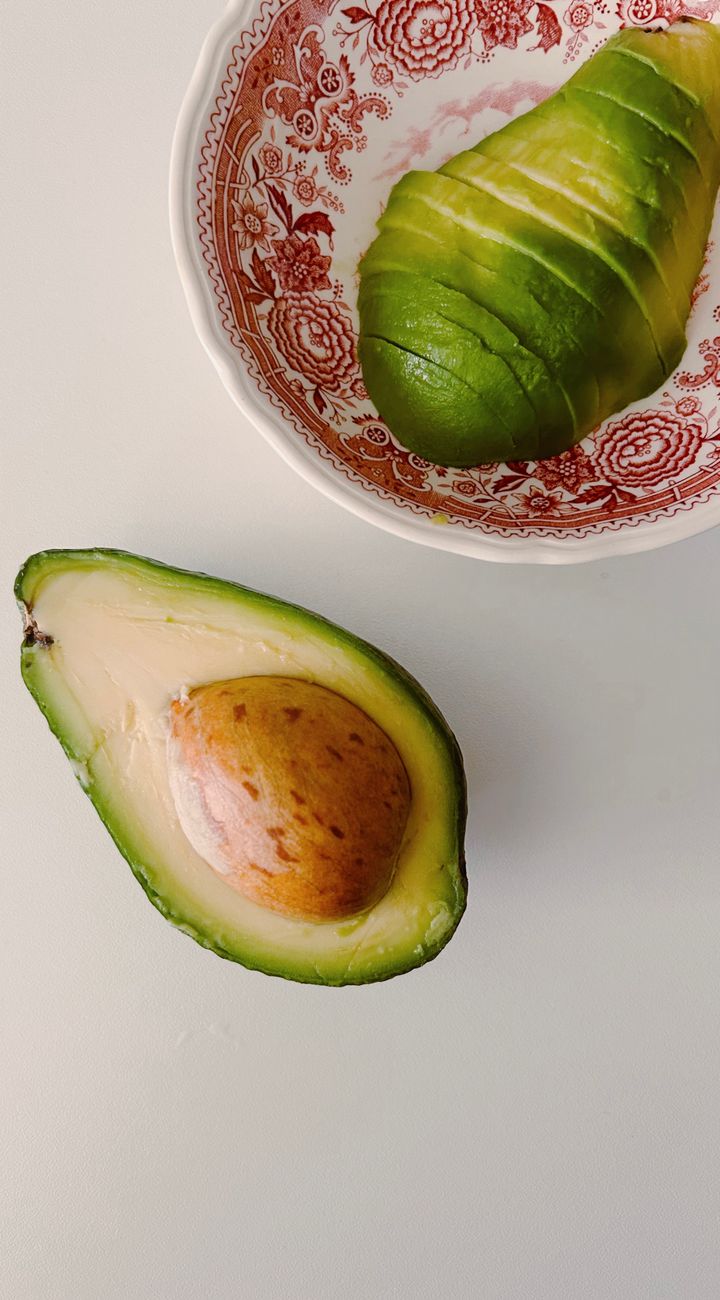
Dietary antioxidants are most effective when obtained from whole foods, not isolated supplements. The safest, most sustainable approach is regular consumption of vegetables, fruits, nuts, seeds, legumes, and other minimally processed foods. A varied diet provides a synergistic mix of antioxidant compounds—something a single supplement cannot replicate.
Consider the example of lycopene, a carotenoid found in tomato paste. A randomized controlled trial showed that ingesting 55 g/day of tomato paste for 12 weeks led to a significant reduction in MMP-1 expression. MMP-1 is an enzyme that breaks down collagen—a direct contributor to wrinkles. This is a concrete demonstration that diet can influence skin aging at a molecular level.
Practical steps:
- Eat the rainbow: Include red tomatoes, orange carrots, leafy greens, blueberries, and nuts in your meals.
- Cooked tomato products: Tomato paste, sauce, and soup provide readily absorbable lycopene.
- Consistency over quantity: Daily intake over weeks is what drives measurable changes.
- Don't abandon other healthy habits: Antioxidants work alongside photoprotection, not as a replacement.
Implementation: How to Use Topical Antioxidants for Skin Health
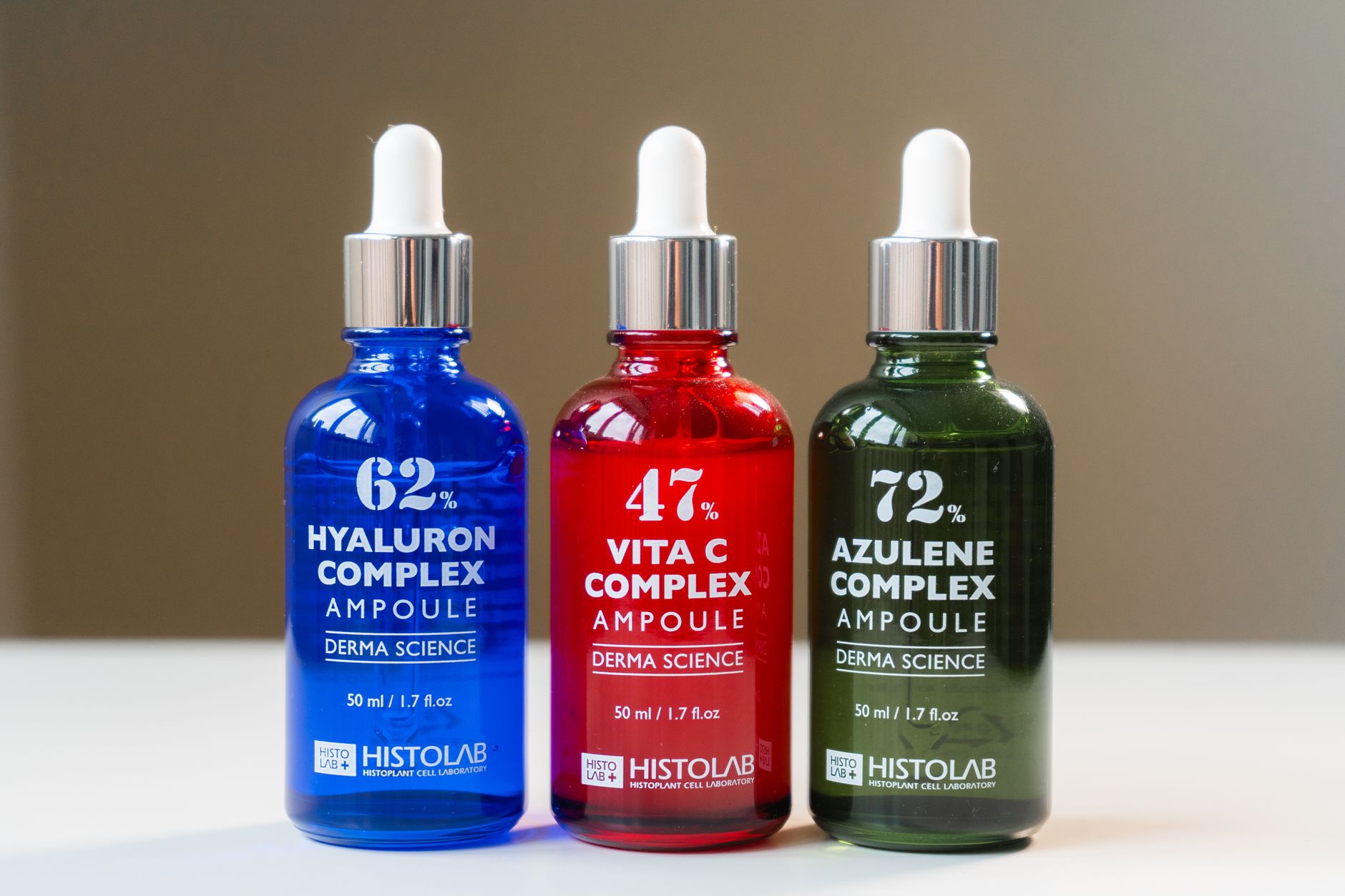
Topical antioxidants are applied directly to the skin, making them ideal for sun-exposed areas like the face. Common ingredients include vitamin C, vitamin E, ferulic acid, niacinamide, and resveratrol. However, not all products are equal. The formula, stability, and individual skin tolerance are critical factors. Some formulations may sting or irritate sensitive or damaged skin.
For best results, incorporate topicals into a consistent routine. Apply vitamin C in the morning under sunscreen for added photoprotection; use niacinamide or resveratrol serums at night. Remember that topicals act on the surface—they don't replace the systemic benefits of a healthy diet.
How to choose a topical antioxidant product (see our guide on How to Choose Science-Backed Anti-Aging Serums and Ingredients):
- Check the concentration: Vitamin C at 10–20% is typical; higher isn't always better.
- Look for stabilized forms: Ferulic acid often stabilizes vitamin C.
- Patch test new products to avoid irritation.
- Pair with a broad-spectrum sunscreen—antioxidants are not sunscreens (see The Science of Sunscreen: Why SPF is Non-Negotiable for Lifelong Skin Health).
Results with Specific Metrics
The review found that vitamins C and E, polyphenols, carotenoids, and coenzyme Q10 were among the most studied compounds, showing beneficial effects in photoprotection, anti-aging, wound healing, and management of inflammatory dermatoses. Yet, the efficacy varied with formulation and delivery.
In the lycopene study, 55 g/day of tomato paste over 12 weeks significantly reduced MMP-1 expression—a concrete molecular result. This suggests that dietary antioxidants can directly affect collagen breakdown, a key aging mechanism.
Topical studies often focus on vitamin C's ability to boost collagen synthesis and protect against UV damage. However, the efficacy depends on stability and penetration; less stable formulas may degrade before they work.
While we can't provide a universal percentage improvement for skin appearance, the evidence is clear: both routes, when used consistently and appropriately, contribute to skin health.
Key Takeaways
- Both dietary and topical antioxidants play a significant role in skin health, but they act through different mechanisms.
- Dietary antioxidants are the sustainable foundation. They support whole-body health and gradual skin benefits. A diet rich in fruits, vegetables, and nuts is the safest, most sustainable approach.
- Topical antioxidants provide targeted defense on areas like the face, but formulation and skin tolerance are crucial.
- Antioxidants complement, not replace, photoprotection. Use them alongside sunscreen for optimal protection.
- Combining both routes likely offers the most comprehensive protection against oxidative stress.
- Efficacy depends on ... formulation, concentration, bioavailability, and delivery.
Not sure where to start? Use a facial aging test to assess your current skin age and identify areas of concern. (Read how Facial Aging Tests: How AI Can Optimize Your Skincare Routine can help.) Then, build a balanced approach that includes dietary changes and a tailored topical routine—see our Skincare Routines and Products: A Complete Guide for step-by-step guidance.
Conclusion
Antioxidants are not a magic bullet. Their efficacy is influenced by formulation, stability, and individual factors—one exception is that some people may experience irritation from topical antioxidants, especially if they have a damaged skin barrier. The most effective strategy is integrative: a diet abundant in antioxidant-rich foods, a prudent selection of topical products, consistent use, and—above all—daily sun protection. By understanding the distinct roles of dietary and topical antioxidants, you can make informed choices to protect your skin for decades.
Whether you're in your 20s or 60s, it's never too early to start. Begin with a diet rich in colorful whole foods, then consider adding targeted serums. Track your progress with regular facial aging scans to see how your choices affect your skin age. Your skin will thank you.
About [Company/Client]
At [Company/Client], we're a longevity science company dedicated to helping you assess and improve your skin health and overall aging. Using AI-powered facial aging tests, we provide accurate analysis of your skin's biological age. Combined with our clinically studied, science-based supplements, we offer actionable insights to optimize your longevity. Our mission is to empower you with expert-backed guidance and free health assessments to make informed decisions about your well-being. Visit our website to see how you can measure and improve your skin age today.