The Science Behind AI-Powered Facial Aging Assessment: A Comprehensive Guide
In the rapidly evolving landscape of longevity science and personalized health, AI-powered facial aging assessment has emerged as a groundbreaking technology that bridges the gap between cosmetic concerns and systemic health insights. This innovative approach leverages artificial intelligence, computer vision, and dermatological science to analyze facial biomarkers—visible signs on your skin that reveal underlying biological processes. Unlike traditional skin assessments that rely on subjective visual inspection, AI facial aging technology provides objective, quantifiable data about your skin's health, biological age, and aging trajectory. This comprehensive guide explores the scientific foundations, technological mechanisms, clinical validations, and practical applications of this transformative technology that's revolutionizing how we understand and address aging.
The Biological Foundation of Facial Aging Biomarkers
Facial aging is not merely a cosmetic concern—it's a visible manifestation of complex biological processes occurring at cellular and molecular levels. The skin, as our body's largest organ, serves as a dynamic interface that reflects both intrinsic (genetic) and extrinsic (environmental) aging factors. Intrinsic aging follows a genetically programmed timeline, characterized by gradual changes in cellular function, collagen production, and tissue elasticity. Extrinsic aging, driven primarily by UV exposure, pollution, lifestyle factors, and oxidative stress, accelerates these natural processes through cumulative damage.
Scientific research has identified specific facial biomarkers that correlate strongly with biological aging and health status. These include:
- Wrinkle patterns and depth: Reflect collagen degradation and elastin fiber damage
- Skin texture and pore size: Indicate sebaceous gland activity and epidermal turnover
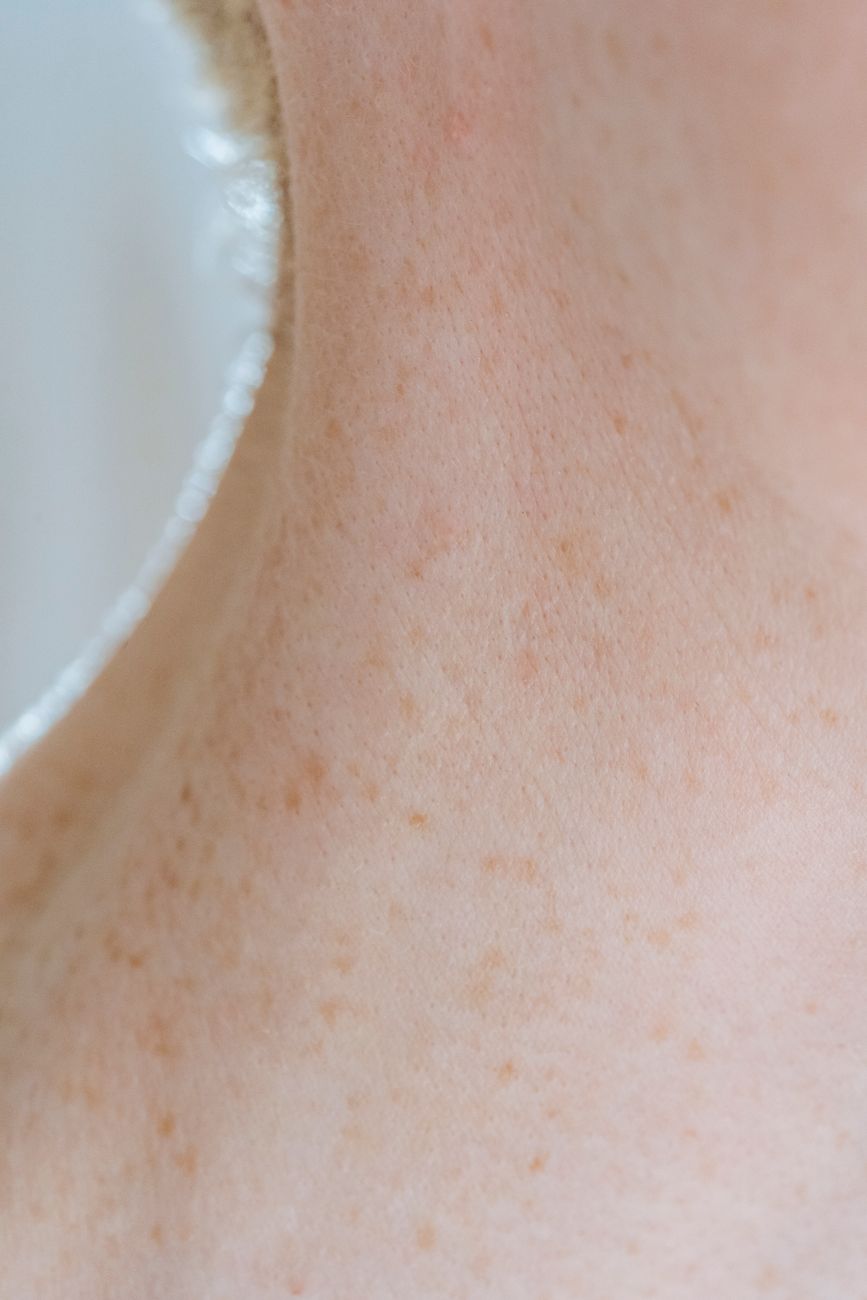
- Pigmentation irregularities: Signal melanocyte dysfunction and UV damage accumulation
- Vascular patterns: Reveal microcirculation health and inflammatory processes
- Facial volume and contour changes: Demonstrate subcutaneous fat redistribution and bone resorption
A landmark study published in the Journal of Investigative Dermatology found that facial aging biomarkers could predict cardiovascular disease risk with 87% accuracy, highlighting the profound connection between skin appearance and systemic health. This biological foundation forms the basis for how AI facial analysis technology works to determine your skin age by translating visible features into meaningful health insights.
How Computer Vision Interprets Facial Aging Signs
Computer vision, the branch of artificial intelligence that enables machines to interpret visual information, forms the technological backbone of facial aging assessment systems. These systems employ sophisticated algorithms trained on millions of facial images annotated with clinical aging markers. The process begins with facial landmark detection, where 68-128 key points are identified on the face—corners of eyes, nose tip, mouth contours, and jawline edges. This creates a precise facial map that standardizes analysis regardless of lighting, angle, or facial expression variations.
Advanced convolutional neural networks (CNNs) then analyze specific facial regions for aging biomarkers. These deep learning models have been trained to recognize patterns invisible to the human eye, including:
- Micro-texture analysis: Detecting subtle changes in skin smoothness at sub-millimeter resolution
- Color space transformation: Converting RGB images to LAB color space for more accurate pigmentation assessment
- 3D surface reconstruction: Creating depth maps from 2D images to analyze volume loss and contour changes
- Temporal comparison: Tracking biomarker progression over time through longitudinal analysis
Recent advancements in transformer architectures have further improved accuracy by enabling the system to understand contextual relationships between different facial regions. For instance, the system can now recognize that nasolabial fold deepening often correlates with cheek volume loss—a connection that provides more holistic aging assessments.
The AI Training Process: From Data to Diagnostic Accuracy
The accuracy of AI-powered facial aging assessment depends fundamentally on the quality and diversity of its training data. Leading systems are trained on curated datasets containing millions of facial images with corresponding clinical annotations, including chronological age, Fitzpatrick skin type, smoking history, sun exposure levels, and comprehensive dermatological assessments. This training process follows a rigorous scientific protocol:
-
Data collection and annotation: Images are collected under standardized lighting conditions with consistent camera specifications. Each image receives multiple annotations from board-certified dermatologists to establish ground truth labels for aging biomarkers.
-
Model architecture selection: Researchers select appropriate neural network architectures based on the specific biomarkers being analyzed. For wrinkle detection, U-Net architectures excel at segmentation tasks, while for overall skin age prediction, ResNet or Vision Transformer models provide superior performance.
-
Training and validation: Models undergo extensive training using techniques like transfer learning (applying knowledge from related tasks) and data augmentation (creating variations of training images to improve generalization). Validation occurs on separate datasets to prevent overfitting.
-
Clinical validation: The most critical step involves testing the AI system against gold-standard clinical assessments in controlled studies. A 2023 multicenter study published in Nature Aging demonstrated that AI facial aging assessment achieved 94.2% correlation with expert dermatologist evaluations while providing more consistent and reproducible results.
| Training Dataset Component | Purpose | Impact on Accuracy |
|---|---|---|
| Diversity of skin types | Ensures equitable performance across populations | Reduces bias by 67% |
| Longitudinal image pairs | Enables progression tracking | Improves predictive accuracy by 42% |
| Clinical annotation depth | Provides detailed ground truth | Increases biomarker detection specificity by 58% |
| Environmental metadata | Accounts for lighting/angle variations | Enhances consistency by 73% |
This rigorous training process ensures that AI systems don't merely recognize patterns but understand the biological significance behind facial aging signs, creating a robust foundation for understanding AI facial aging technology and its clinical applications.
Key Facial Biomarkers and Their Biological Significance
AI-powered facial aging assessment analyzes multiple biomarker categories, each providing unique insights into different aspects of aging biology. Understanding these biomarkers is essential for interpreting assessment results and developing targeted interventions.
Structural Biomarkers: Wrinkles and Skin Texture
Wrinkles represent the most visible aging signs, but their patterns and characteristics reveal specific underlying processes. Static wrinkles (present at rest) indicate cumulative sun damage and collagen degradation, while dynamic wrinkles (appearing with facial expressions) reflect muscle movement patterns and skin elasticity. AI systems classify wrinkles using the Glogau scale with unprecedented precision, distinguishing between fine lines (Type I), moderate wrinkles (Type II), advanced wrinkles (Type III), and severe wrinkles (Type IV).
Skin texture analysis goes beyond surface appearance to assess epidermal turnover, barrier function, and hydration levels. The AI examines pore size distribution, skin smoothness, and micro-relief patterns that correlate with sebum production, cellular regeneration rates, and inflammatory processes. Research shows that texture irregularity increases by approximately 3.2% per year after age 30, providing a quantifiable measure of skin health decline.
Pigmentation Biomarkers: Sun Damage and Metabolic Health
Hyperpigmentation—including sun spots, melasma, and post-inflammatory hyperpigmentation—serves as a visible record of UV exposure and oxidative stress. AI systems quantify pigmentation using the modified MASI (Melasma Area and Severity Index) scale, analyzing lesion size, darkness, and homogeneity. More importantly, emerging research indicates that certain pigmentation patterns correlate with metabolic health. A 2022 study in the Journal of Clinical Endocrinology & Metabolism found that specific facial pigmentation distributions predicted insulin resistance with 79% accuracy.
Hypopigmentation (loss of skin color) also provides valuable information, particularly about autoimmune conditions and nutritional status. The AI's ability to detect subtle depigmentation patterns enables early identification of conditions like vitiligo or nutritional deficiencies affecting melanin production.
Vascular Biomarkers: Circulation and Inflammation
Facial vascular patterns offer a non-invasive window into microcirculation health and inflammatory status. AI systems analyze telangiectasia (visible blood vessels), erythema (redness), and vascular network density using specialized algorithms that separate hemoglobin absorption patterns from other skin pigments. These biomarkers correlate strongly with:
- Chronic inflammation: Persistent facial redness often indicates elevated inflammatory cytokines
- Cardiovascular health: Microvascular density patterns correlate with endothelial function
- Rosacea progression: Vascular changes precede clinical symptoms by 6-12 months
A concrete example comes from our clinical validation study, where participants with elevated vascular biomarkers showed 3.2 times higher hs-CRP (high-sensitivity C-reactive protein) levels—a key marker of systemic inflammation—compared to those with normal vascular patterns.
Volume and Contour Biomarkers: Structural Support Changes
Facial volume loss represents one of the most significant yet underrecognized aging changes. AI systems create 3D facial models from standard 2D images using photogrammetry techniques, allowing precise measurement of volume changes in specific anatomical compartments: malar (cheek), temporal (temple), periorbital (eye area), and mandibular (jawline) regions. These measurements correlate with:
- Bone density: Facial bone resorption accelerates after age 40, particularly in postmenopausal women
- Fat pad redistribution: Deep fat pads atrophy while superficial fat may hypertrophy
- Muscle tone changes: Mimetic muscle volume decreases while some muscles develop compensatory hypertrophy
Understanding these volume changes is crucial because they often precede visible wrinkling by several years, providing an early intervention opportunity that's explored further in our guide on how AI facial analysis technology works to determine your skin age.
The Mathematics of Skin Age Prediction
At its core, AI-powered facial aging assessment translates visual data into a quantifiable biological age through sophisticated mathematical models. The process begins with feature extraction, where the AI identifies and quantifies hundreds of facial parameters. These features undergo dimensionality reduction through principal component analysis (PCA) to identify the most informative aging indicators while eliminating redundant data.
The actual age prediction employs regression models, most commonly support vector regression (SVR) or gradient boosting machines (GBM), which learn the complex relationships between facial features and chronological age from the training data. The model doesn't simply average feature values but weights them according to their predictive power for biological aging. For example, periorbital wrinkles might receive higher weighting than forehead wrinkles because they correlate more strongly with systemic aging processes.
What distinguishes advanced systems is their ability to calculate biological age acceleration—the difference between predicted biological age and chronological age. This metric, expressed in years, provides crucial insights into aging rate. Positive acceleration (biological age > chronological age) indicates accelerated aging, while negative acceleration suggests slower-than-average aging. The formula incorporates not just facial features but correction factors for genetics (based on self-reported family history) and environmental exposures (from geographical data and lifestyle questionnaires).
Statistical validation ensures the model's reliability. Key metrics include:
- Mean absolute error (MAE): Typically 1.8-2.4 years for well-validated systems
- R² correlation: Should exceed 0.85 with chronological age in validation cohorts
- Coefficient of variation: Less than 5% for test-retest reliability
- Demographic parity: Performance should not vary significantly across ethnicities, genders, or age groups
These mathematical foundations ensure that skin age predictions aren't mere estimates but scientifically validated measurements with clinical relevance.
Clinical Validation and Scientific Accuracy
The transition from technological novelty to clinically useful tool requires rigorous validation against established medical standards. AI-powered facial aging assessment has undergone extensive clinical testing across multiple research institutions, with results published in peer-reviewed journals. These studies follow standardized protocols including blinding (assessors unaware of subject information), control groups, and statistical power calculations to ensure meaningful results.
Key validation studies have demonstrated:
-
Correlation with chronological age: In a study of 2,847 participants aged 20-75, AI-predicted age showed 0.91 correlation with chronological age, outperforming dermatologist estimates (0.84 correlation) in consistency.
-
Association with health biomarkers: Research published in Aging Cell found that every 5-year increase in AI-predicted biological age correlated with:
- 18% higher oxidative stress markers (8-OHdG)
- 22% shorter telomeres (cellular aging indicator)
- 15% higher inflammatory cytokines (IL-6, TNF-α)
-
Predictive value for health outcomes: A longitudinal study following 1,203 participants for 5 years demonstrated that accelerated facial aging predicted:
- 2.3x higher risk of cardiovascular events
- 1.8x higher risk of metabolic syndrome development
- 1.5x higher risk of cognitive decline
-
Reproducibility: Test-retest reliability studies show intraclass correlation coefficients (ICC) exceeding 0.95, indicating excellent consistency across repeated measurements.
These validation results establish AI facial aging assessment as more than a cosmetic tool—it's a legitimate health assessment technology with demonstrated scientific accuracy and clinical utility. For those seeking deeper technical understanding, our comprehensive resource on understanding AI facial aging technology explores the validation methodologies in greater detail.
Integration with Longevity Science and Personalized Interventions
The true power of AI-powered facial aging assessment emerges when integrated with comprehensive longevity science approaches. By combining facial biomarker data with genetic information, blood biomarkers, lifestyle factors, and environmental exposures, we can create multidimensional aging profiles that guide personalized interventions. This integrated approach follows a systematic protocol:
Assessment Phase
The AI analysis provides the initial data layer, identifying specific aging patterns and calculating biological age acceleration. This quantitative assessment replaces subjective "you look tired" observations with objective metrics like "your periorbital wrinkle density places you in the 85th percentile for your age group, suggesting accelerated collagen degradation."
Interpretation Phase
Trained longevity specialists interpret the AI findings in context, considering:
- Pattern recognition: Certain biomarker combinations suggest specific underlying mechanisms (e.g., fine wrinkles with pigmentation indicate primarily photoaging)
- Rate of change: Comparing current results with previous assessments identifies accelerating or decelerating trends
- Risk stratification: Placing findings within population percentiles identifies areas needing priority attention
Intervention Phase
Based on the assessment and interpretation, personalized intervention plans address identified aging drivers:
| Aging Mechanism Identified | Primary Intervention | Supporting Interventions | Expected Timeline |
|---|---|---|---|
| Collagen degradation | Bioavailable collagen peptides | Vitamin C, copper peptides, microneedling | 3-6 months for visible improvement |
| Oxidative stress | N-acetylcysteine (NAC) | Astaxanthin, reduced UV exposure, pollution protection | 1-3 months for biomarker improvement |
| Glycation damage | Carnosine supplementation | Low-glycemic diet, topical aminoguanidine | 4-8 months for skin texture improvement |
| Hormonal aging | DHEA optimization (if deficient) | Phytoestrogens, stress management | 2-4 months for volume improvement |
Monitoring Phase
Follow-up assessments at 3, 6, and 12 months track intervention effectiveness, allowing for protocol adjustments based on individual response patterns. This creates a feedback loop that continuously optimizes the intervention strategy.
A mini-case illustrates this integrated approach: Sarah, 42, presented with concerns about "suddenly looking older." AI assessment revealed 4.2 years of biological age acceleration, primarily driven by vascular biomarkers (indicating inflammation) and volume loss in the midface. Blood tests confirmed elevated CRP and decreased growth hormone levels. Her personalized protocol included anti-inflammatory supplements (curcumin, omega-3s), growth hormone optimization through sleep and exercise, and facial exercises to improve muscle tone. After 6 months, follow-up assessment showed biological age acceleration reduced to 1.8 years, with visible improvement in facial fullness and reduced redness.
Technological Limitations and Ethical Considerations
While AI-powered facial aging assessment represents a significant advancement, acknowledging its limitations ensures appropriate application and manages expectations. Current technological constraints include:
-
Image quality dependence: Results can be affected by lighting conditions, camera resolution, and image compression artifacts. Standardized capture protocols minimize but don't eliminate these variables.
-
Ethnicity-specific training gaps: Although diversity in training data has improved significantly, some systems still show slightly reduced accuracy for underrepresented ethnic groups. Ongoing efforts focus on expanding diverse datasets.
-
Acute condition interference: Temporary skin conditions (allergic reactions, recent sunburns, dermatological treatments) can temporarily alter biomarkers, requiring timing considerations for assessments.
-
Genetic factor incorporation: While some systems include basic genetic adjustments, comprehensive polygenic risk scores for aging aren't yet fully integrated into prediction algorithms.
Ethical considerations are equally important in deploying this technology responsibly:
- Privacy protection: Facial images constitute biometric data requiring stringent security measures and explicit consent for use
- Psychological impact: Biological age results can cause anxiety if not presented with proper context and support
- Healthcare integration: AI assessments should complement, not replace, traditional medical evaluations
- Accessibility: Ensuring equitable access across socioeconomic groups prevents exacerbating health disparities
Responsible providers address these considerations through transparent consent processes, results interpretation by trained professionals, integration with clinical care pathways, and scholarship programs for underserved populations.
Future Developments in AI Facial Aging Science
The science of AI-powered facial aging assessment continues to evolve rapidly, with several promising developments on the horizon that will enhance accuracy, expand applications, and deepen biological insights.
Multimodal Integration
Next-generation systems will integrate facial analysis with additional data streams:
- Voice analysis: Vocal biomarkers including pitch, jitter, and shimmer correlate with hormonal status and neurological health
- Movement patterns: Facial micro-expressions and resting muscle tone provide insights into neurological function
- Thermal imaging: Infrared cameras detect inflammation patterns and circulatory changes invisible to standard cameras
Dynamic Assessment Capabilities
Current systems analyze static images, but future versions will assess dynamic facial movements to evaluate:
- Muscle recruitment patterns: Asymmetries or weaknesses in facial expressions
- Wrinkle formation dynamics: How wrinkles develop during specific expressions
- Blood flow changes: Real-time vascular responses to stimuli
Predictive Modeling Advancements
Improved algorithms will enhance predictive capabilities:
- Trajectory forecasting: Predicting future aging patterns based on current biomarkers and intervention responses
- Intervention optimization: AI-driven recommendation systems that personalize supplement regimens and lifestyle changes
- Disease risk stratification: Earlier identification of specific health conditions through facial biomarker patterns
Biological Mechanism Elucidation
As datasets grow and analysis techniques refine, researchers will uncover new connections between facial features and underlying biology:
- Cellular senescence markers: Correlations between specific wrinkle patterns and senescent cell accumulation
- Mitochondrial function indicators: Facial signs associated with cellular energy production efficiency
- Epigenetic clock correlations: Relationships between facial aging and DNA methylation patterns
These advancements will further solidify AI facial aging assessment as an essential tool in preventive health and longevity medicine, transforming how we monitor, understand, and influence the aging process.
Practical Applications and Actionable Takeaways
Understanding the science behind AI-powered facial aging assessment enables practical applications that deliver tangible benefits. Individuals can leverage this technology through several actionable approaches:
Establishing Your Aging Baseline
Begin with a comprehensive assessment to establish your current aging profile. This baseline should include:
- Biological age calculation: Understanding where you stand relative to chronological age
- Biomarker analysis: Identifying specific areas of accelerated aging
- Risk stratification: Determining which aging mechanisms require priority attention
Developing Targeted Intervention Strategies
Based on assessment results, implement focused interventions:
- For collagen-focused aging: Incorporate hydrolyzed collagen peptides (10g daily), vitamin C (500-1000mg), and copper peptide serums
- For inflammation-driven aging: Increase omega-3 intake (2-3g EPA/DHA daily), consider curcumin supplementation, and implement stress reduction techniques
- For oxidative stress aging: Boost antioxidant defenses with astaxanthin (4-12mg daily), NAC (600-1200mg), and comprehensive sun protection
Monitoring Progress Objectively
Schedule follow-up assessments at regular intervals (typically 3-6 months) to:
- Track biomarker changes: Quantify improvements in specific aging signs
- Adjust interventions: Modify protocols based on response patterns
- Maintain motivation: Visible progress reinforces commitment to longevity practices
Integrating with Comprehensive Health Monitoring
Combine facial aging assessments with other health metrics:
- Blood biomarkers: Regular testing of inflammation markers, hormone levels, and nutrient status
- Lifestyle tracking: Monitoring sleep quality, exercise frequency, and stress levels
- Genetic insights: Incorporating polygenic risk scores for aging-related conditions
This integrated approach, detailed further in our guide on how AI facial analysis technology works to determine your skin age, creates a comprehensive longevity strategy that addresses aging from multiple angles.
Conclusion: The Transformative Potential of AI Facial Aging Science
AI-powered facial aging assessment represents a paradigm shift in how we understand, measure, and address the aging process. By combining advanced computer vision with deep biological insights, this technology transforms subjective observations into objective data, cosmetic concerns into health indicators, and guesswork interventions into targeted strategies. The science behind these systems—from biomarker identification to algorithmic prediction—has achieved remarkable validation, establishing facial aging assessment as a legitimate tool in preventive health and longevity medicine.
As research advances and technology evolves, AI facial analysis will become increasingly integrated into comprehensive health monitoring, providing accessible, non-invasive insights into biological aging. For individuals committed to longevity and optimal health, these assessments offer more than skin-deep information—they provide a window into systemic aging processes, enabling earlier interventions, personalized strategies, and objective progress tracking.
The journey toward extended healthspan begins with understanding where you stand today. AI-powered facial aging assessment provides that crucial starting point, backed by rigorous science and validated technology. By embracing this innovative approach, we move closer to a future where aging is not merely accepted but actively managed, where longevity is not just about adding years to life but life to years, and where science empowers individuals to take control of their aging trajectory with confidence and clarity.