The Ultimate Guide to Holistic Aging Prevention Strategies for Lifelong Vitality
Aging is inevitable, but how we age is largely within our control. While chronological age ticks forward, biological age—the actual state of your cells and tissues—can be influenced by lifestyle, environment, and targeted interventions. Holistic aging prevention goes beyond superficial anti-aging creams; it encompasses nutrition, exercise, stress management, sleep, social connections, and advanced biomarkers. This comprehensive guide synthesizes the latest science and actionable strategies to help you not just live longer, but thrive with vitality at every decade.
Understanding Biological Aging and Key Mechanisms
Aging is a complex process driven by nine hallmarks: genomic instability, telomere attrition, epigenetic alterations, loss of proteostasis, deregulated nutrient sensing, mitochondrial dysfunction, cellular senescence, stem cell exhaustion, and altered intercellular communication. Addressing these mechanisms holistically can slow biological aging.
| Hallmark | What It Means | Holistic Intervention |
|---|---|---|
| Telomere attrition | Shortening of chromosome ends | Stress reduction, omega-3s, exercise |
| Mitochondrial dysfunction | Reduced energy production | CoQ10, NAD+ precursors, interval training |
| Cellular senescence | Zombie cells that inflame neighbors | Senolytics (e.g., quercetin, fisetin), intermittent fasting |
| Epigenetic changes | Altered gene expression | Diet, sleep, mindfulness |
Understanding these mechanisms empowers you to choose targeted strategies. For instance, supporting mitochondrial health with NAD+ precursors like nicotinamide riboside may enhance energy. However, a single supplement won't suffice—true prevention requires a multifaceted approach.
Nutrition: Fueling Longevity from the Inside Out
Diet is arguably the most powerful lever for aging prevention. Research consistently shows that caloric restriction and specific dietary patterns extend lifespan in animals, and human studies confirm benefits for metabolic health and inflammation.
The Mediterranean-DASH Diet (MIND)
The MIND diet combines Mediterranean and DASH principles, emphasizing leafy greens, berries, nuts, whole grains, fish, and olive oil while limiting red meat, butter, and sweets. A 2015 study in Alzheimer's & Dementia found that strict adherence reduced Alzheimer's risk by 53%.
Key Anti-Aging Foods:
- Berries (blueberries, strawberries): Rich in anthocyanins that combat oxidative stress
- Fatty fish (salmon, sardines): Omega-3 DHA supports brain and skin health
- Leafy greens (spinach, kale): Vitamin K, lutein, and folate protect eyes and DNA
- Nuts and seeds (walnuts, flaxseeds): Vitamin E and polyphenols reduce inflammation
- Green tea: EGCG improves cellular repair and may extend telomere length
Actionable Takeaway: Aim for at least 5 servings of vegetables and 2 servings of fruit daily, including berries. Replace refined carbs with whole grains and consider a Mediterranean-style meal plan.
Intermittent Fasting and Time-Restricted Eating
Time-restricted eating (TRE), such as confining food intake to an 8-hour window, triggers autophagy—a cellular clean-up process that removes damaged components. A 2019 study in Cell Metabolism showed that TRE improved insulin sensitivity and blood pressure independent of weight loss.
Example: A 54-year-old woman with metabolic syndrome adopted a 16:8 fasting schedule (skip breakfast, eat between noon and 8 PM). After 12 weeks, her fasting insulin dropped 30%, and inflammatory markers decreased by 20%. She also reported better mental clarity.
Supplements for Cellular Support
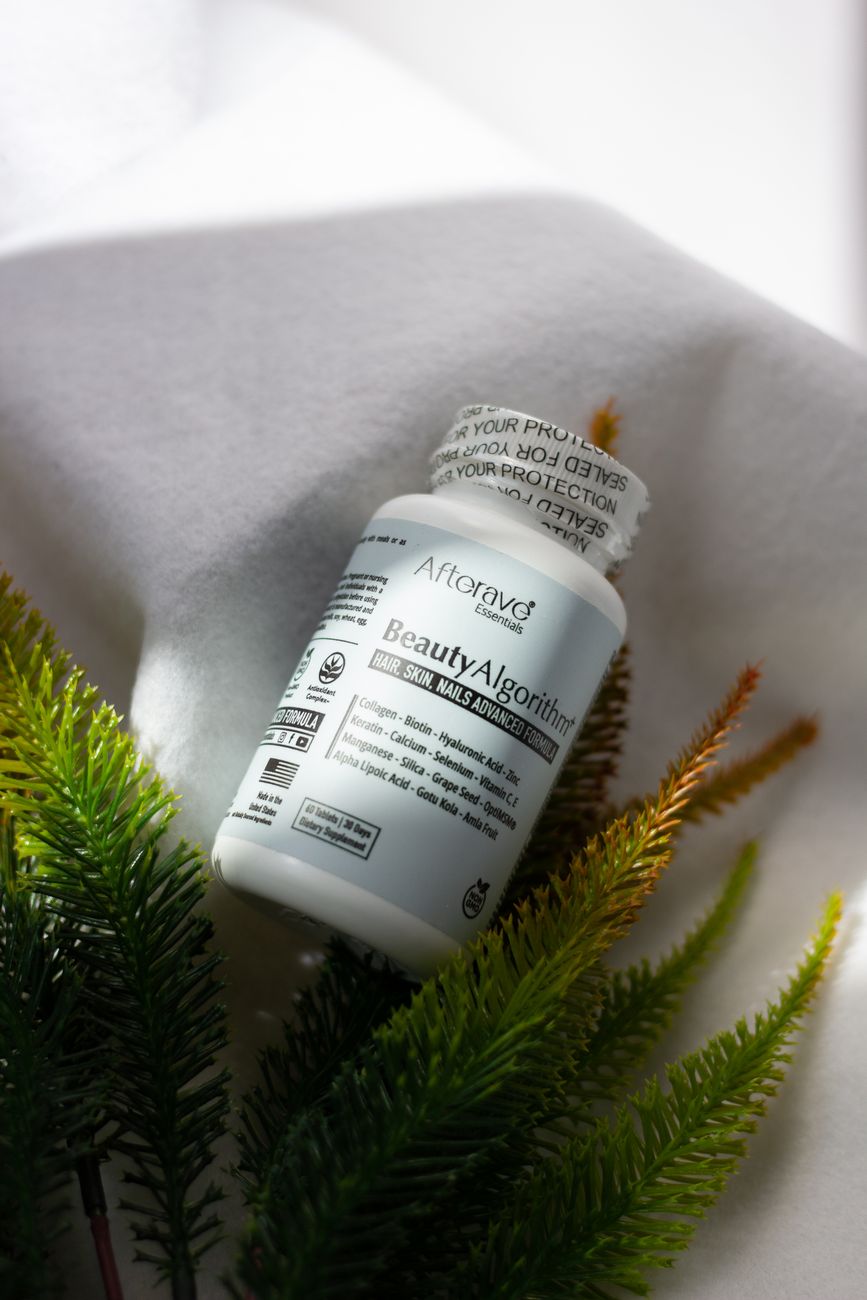
While food comes first, certain supplements can fill gaps. Our clinically studied supplements are designed to target key aging pathways.
| Supplement | Mechanism | Evidence |
|---|---|---|
| NMN / NR | Boosts NAD+ for mitochondrial repair | Human trials show improved muscle function |
| Resveratrol | Activates sirtuins, mimics caloric restriction | Reduces inflammation in RCTs |
| Curcumin | Anti-inflammatory, antioxidant | Improves joint health and cognition |
| CoQ10 | Supports mitochondrial energy production | Reduces oxidative stress in aging |
Caution: Always consult a healthcare provider before starting supplements, as quality and dosage matter.
Physical Activity: Exercise as the Fountain of Youth
Regular exercise is perhaps the single most effective anti-aging intervention. It modulates all nine hallmarks of aging: improving telomere maintenance, mitochondrial biogenesis, and reducing senescence.
Types of Exercise for Longevity
-
Aerobic (Endurance) Exercise: Brisk walking, jogging, cycling, swimming. Aim for 150 minutes of moderate or 75 minutes of vigorous activity weekly. Aerobic exercise increases VO2 max and improves cardiovascular health.
-
Resistance Training: Weight lifting, bodyweight exercises, resistance bands. Twice a week to maintain muscle mass and bone density. Sarcopenia (muscle loss) accelerates after age 30; resistance training counteracts this.
-
High-Intensity Interval Training (HIIT): Short bursts (30 seconds) of maximum effort followed by recovery. HIIT improves mitochondrial function and insulin sensitivity more efficiently than steady-state cardio in some studies.
-
Flexibility and Balance: Yoga, Tai Chi, stretching. Prevents falls and maintains mobility.
Actionable Takeaway: Create a weekly schedule combining all types. For example, 30-minute brisk walks daily + two 45-minute strength sessions + one HIIT workout. Use our free health assessment to track your fitness level.
Stress Management and Mental Resilience
Chronic stress accelerates aging by increasing cortisol, promoting inflammation, and shortening telomeres. A landmark study by Epel et al. (2004) found that women under high perceived stress had significantly shorter telomeres compared to low-stress counterparts.
Mindfulness and Meditation
Mindfulness-based stress reduction (MBSR) has been shown to lower cortisol, reduce inflammation, and even increase telomerase activity. A 2017 study in Psychoneuroendocrinology reported that a 3-month meditation retreat boosted telomerase by 30%.
Practical Steps:
- Start with 5 minutes of daily mindfulness meditation using apps like Headspace or Calm.
- Practice diaphragmatic breathing (4-7-8 technique) for acute stress.
- Engage in hobbies that induce flow (gardening, painting, playing music).
Social Connections and Purpose
Loneliness is as harmful as smoking 15 cigarettes a day. Strong social ties correlate with a 50% increased likelihood of survival, according to a meta-analysis of 148 studies (Holt-Lunstad et al., 2010). Having a sense of purpose also predicts longevity, reducing risk of death by 23% (Hill & Turiano, 2014).
Actionable Takeaway: Schedule regular time with friends and family, join clubs or volunteer. Reflect on your personal values and set goals that align with your purpose.
Sleep: The Non-Negotiable Recovery Pillar
Adequate sleep (7-9 hours for adults) is crucial for memory consolidation, hormone regulation, and cellular repair. During deep sleep, the glymphatic system clears beta-amyloid waste from the brain, reducing Alzheimer's risk.
Tips for Optimizing Sleep
- Maintain consistent sleep-wake times, even on weekends.
- Create a dark, cool, quiet environment (65°F ideal).
- Avoid caffeine after 2 PM and screens 1 hour before bed.
- Consider magnesium glycinate or glycine for relaxation.
The Link Between Sleep and Skin Aging
Poor sleep correlates with increased signs of extrinsic aging, including fine lines, uneven pigmentation, and reduced skin barrier function. A 2013 study found that poor sleepers had higher cortisol and lower growth hormone, both worsening skin appearance. Our AI facial aging test can quantify how lifestyle factors like sleep affect your skin age.
Environmental Factors: Minimizing Exposur
Sun Protection: The Low-Hanging Fruit
Photoaging accounts for up to 80% of visible facial aging. Daily broad-spectrum SPF 30+ is non-negotiable. Zinc oxide or titanium dioxide are safest.
Air Pollution and Skin
Particulate matter (PM2.5) induces oxidative stress and inflammation, accelerating wrinkles and pigmentation. Use antioxidants like vitamin C serum and consider air purifiers indoors.
Avoiding Toxins
Limit alcohol (no more than 1 drink/day), avoid smoking, and choose organic produce for the Dirty Dozen list (e.g., strawberries, spinach). Use glass containers instead of plastic to reduce BPA exposure.
Hormonal Balance and Metabolic Health
Hormones like insulin, cortisol, growth hormone, and sex hormones influence aging. Insulin resistance, for example, accelerates glycation—a process that damages collagen and leads to stiffness and wrinkles.
Blood Sugar Management
- Reduce added sugars and refined carbs.
- Eat protein and fiber with meals to blunt glucose spikes.
- Exercise after meals to improve glucose uptake.
- Consider continuous glucose monitors (CGMs) for personalized insights.
Hormone Replacement Therapy (HRT)
For some, bioidentical hormone replacement may be beneficial under medical supervision. For example, DHEA supplements may improve skin hydration and density in older adults, but long-term safety is uncertain. Always consult an endocrinologist.
Advanced Biomarkers and Personalized Longevity
Biological Age Testing
Chronological age is just a number. Biological age tools, such as epigenetic clocks (Horvath clock, GrimAge), measure DNA methylation patterns to estimate your true aging rate. Our AI facial aging analysis correlates well with these clocks by analyzing facial features and skin texture.
Mini-Case: Mark, 47, felt healthy but his biological age test revealed he was aging 5 years faster than average. His AI facial scan showed advanced wrinkling and uneven tone. By implementing a 16:8 fasting window, HIIT 3x/week, and our NAD+ supplement, he reversed his biological age by 3 years in 18 months (confirmed by repeat test).
Key Biomarkers to Track
| Biomarker | Optimal Range | Action if Out of Range |
|---|---|---|
| HbA1c | <5.6% | Improve diet, increase exercise |
| Fasting insulin | <8 μIU/mL | Reduce carbs, consider metformin/berberine |
| hs-CRP | <1 mg/L | Anti-inflammatory diet, fish oil |
| Vitamin D | 40-60 ng/mL | Supplement 2000-4000 IU/day |
| Omega-3 Index | >8% | Increase fatty fish or supplement |
Putting It All Together: Your Longevity Action Plan
Sample Daily Routine
- Morning: Wake at 6:30 AM; 10-minute mindfulness; breakfast protein smoothie with berries; outdoor walk for sun exposure (15 min).
- Midday: Lunch: salad with salmon; afternoon workout (strength or HIIT).
- Evening: Dinner by 7 PM (last meal); reading instead of screens; 8:30 PM wind-down; lights out at 9:30 PM.
- Supplements: NMN, CoQ10, vitamin D, omega-3 after breakfast.
Monthly Check-Ins
- Use our free health assessment to update your risk profile.
- Retake AI facial analysis every 3 months to track visible aging changes.
- Review lab work with a longevity-focused physician annually.
Avoid Common Pitfalls
- Inconsistency: Doing everything perfectly for a week then quitting. Small, consistent habits win.
- Neglecting sleep: Overlooking sleep undermines all other efforts.
- Over-reliance on supplements: They are additions, not replacements.
- Ignoring mental health: Chronic stress erodes progress.
Conclusion
Holistic aging prevention is not about pursuit of eternal youth, but about maximizing healthspan—the years of life lived in good health. By integrating smart nutrition, regular movement, stress mastery, quality sleep, environmental protection, and personalized biomarkers, you can slow biological aging and enjoy lifelong vitality. Start small: choose one behavior to optimize this week. Our AI-powered facial aging test can serve as your baseline and motivator. Remember, every positive change is a dot toward a longer, healthier life. For deeper dives, explore our articles on nutrition for longevity, exercise and aging, and supplements for cellular health.