The Ultimate Guide to Holistic Anti-Aging Strategies: Science-Backed Approaches for Longevity
Aging is an inevitable biological process, but how we age—and the quality of those years—is profoundly influenced by our daily choices. Holistic anti-aging moves beyond superficial fixes to address the root causes of aging at the cellular, systemic, and lifestyle levels. This comprehensive guide synthesizes the latest longevity science into actionable strategies that promote vitality, resilience, and extended healthspan. By integrating evidence-based nutrition, movement, sleep, stress management, and cutting-edge diagnostics, you can build a personalized longevity protocol that works synergistically to slow biological aging and enhance lifelong well-being.
Understanding Biological Aging: The Hallmarks Framework
Modern longevity science has moved beyond chronological age to focus on biological age—the functional state of your cells and systems. Researchers have identified nine hallmarks of aging, which are interconnected processes that drive age-related decline. These include genomic instability, telomere attrition, epigenetic alterations, loss of proteostasis, deregulated nutrient sensing, mitochondrial dysfunction, cellular senescence, stem cell exhaustion, and altered intercellular communication. A holistic anti-aging strategy targets multiple hallmarks simultaneously, creating a compounding effect that no single intervention can achieve alone.
For example, cellular senescence—where cells stop dividing and secrete inflammatory factors—accelerates tissue aging. Studies show that clearing senescent cells in mice extends healthspan by up to 25%. In humans, lifestyle factors like regular exercise and specific phytonutrients from foods like blueberries and green tea can help mitigate senescence. This interconnectedness underscores why a piecemeal approach to anti-aging often fails, while a holistic protocol delivers transformative results.
Nutrition for Longevity: Beyond Calorie Counting
Nutrition is the cornerstone of any effective anti-aging strategy. The goal isn't just to avoid deficiency but to optimize cellular function and resilience. Research from institutions like the National Institute on Aging reveals that specific dietary patterns can modulate aging pathways, including mTOR, AMPK, and sirtuins, which regulate metabolism, repair, and survival.
The Longevity Diet Framework
A science-backed longevity diet emphasizes whole, nutrient-dense foods while minimizing processed items and added sugars. Key components include:
- Plant-based emphasis: Consume a variety of colorful vegetables, fruits, legumes, nuts, and seeds. These provide polyphenols, antioxidants, and fiber that reduce inflammation and support gut health—a critical factor in systemic aging.
- Healthy fats: Prioritize omega-3 fatty acids from fatty fish, walnuts, and flaxseeds, which combat cellular inflammation and support brain health.
- Protein quality: Include lean, complete proteins like fish, poultry, and plant-based sources such as lentils and quinoa to maintain muscle mass and metabolic rate, which naturally decline with age.
- Time-restricted eating: Aligning eating windows with circadian rhythms, such as a 10–12 hour daily fast, can enhance autophagy—the cellular cleanup process—and improve metabolic markers.
A 2023 meta-analysis in The American Journal of Clinical Nutrition found that adherence to Mediterranean-style diets, rich in plants and healthy fats, was associated with a 21% lower risk of all-cause mortality. For personalized insights, consider tools like our free health assessment to identify nutritional gaps.
Movement as Medicine: Exercise for Cellular Youth
Physical activity is one of the most potent anti-aging interventions available, affecting nearly every hallmark of aging. The key is consistency and variety, blending aerobic, strength, flexibility, and balance training.
Exercise Modalities and Their Anti-Aging Benefits
| Exercise Type | Primary Benefits | Recommended Frequency |
|---|---|---|
| Aerobic (e.g., brisk walking, cycling) | Improves cardiovascular health, boosts mitochondrial function, enhances cognitive function | 150+ minutes moderate or 75+ minutes vigorous weekly |
| Strength Training (e.g., weightlifting, resistance bands) | Preserves muscle mass, increases bone density, regulates metabolism | 2–3 sessions weekly, targeting major muscle groups |
| High-Intensity Interval Training (HIIT) | Enhances cellular repair mechanisms, improves insulin sensitivity | 1–2 sessions weekly, 20–30 minutes per session |
| Flexibility & Balance (e.g., yoga, tai chi) | Reduces injury risk, decreases stress, improves mobility | Daily or as needed, integrated into routine |
Studies show that regular exercisers have telomeres—protective caps on chromosomes—that are biologically younger by up to nine years compared to sedentary individuals. For a deeper dive into optimizing your fitness for longevity, explore our guide on exercise for aging well.
Sleep Optimization: The Foundation of Cellular Repair
Sleep is non-negotiable for anti-aging. During deep sleep stages, the brain clears metabolic waste via the glymphatic system, tissues repair, and hormones like growth hormone peak. Chronic sleep deprivation accelerates aging by increasing inflammation, impairing cognitive function, and raising the risk of chronic diseases.
Science-Backed Sleep Strategies
- Prioritize consistency: Aim for 7–9 hours nightly, going to bed and waking at the same times, even on weekends, to regulate circadian rhythms.
- Create a sleep-conducive environment: Keep the bedroom cool (around 65°F), dark, and quiet. Consider blackout curtains and white noise machines if needed.
- Limit blue light exposure: Avoid screens at least one hour before bed, as blue light suppresses melatonin production. Use blue-light-blocking glasses if evening screen use is unavoidable.
- Mind your diet: Avoid heavy meals, caffeine, and alcohol close to bedtime, as they can disrupt sleep architecture.
Research from the University of California, Berkeley, indicates that just one night of poor sleep can increase biological aging markers in blood cells. For those struggling with sleep, our sleep optimization guide offers advanced techniques.
Stress Management: Calming the Aging Cascade
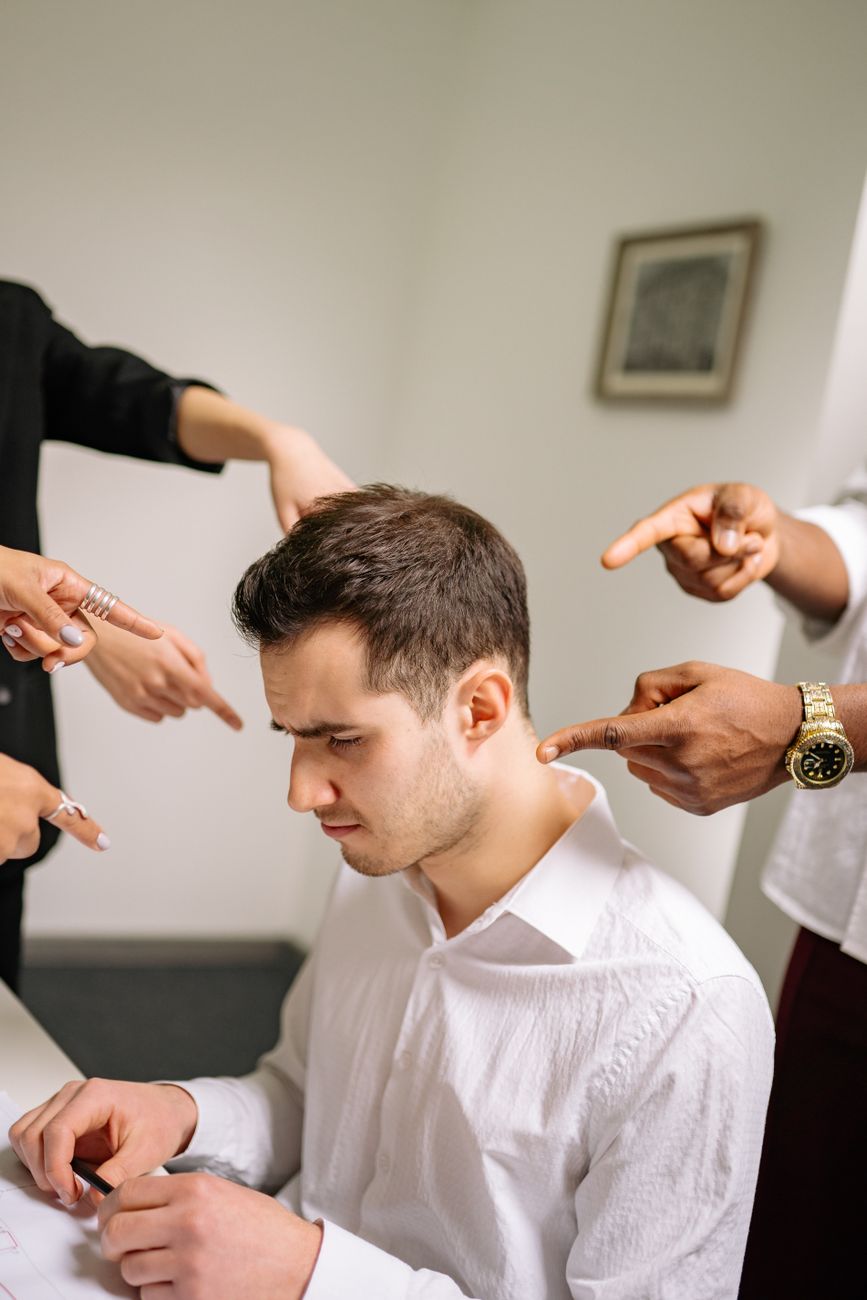
Chronic stress accelerates aging through multiple pathways, including elevated cortisol, increased oxidative stress, and shortened telomeres. Effective stress management isn't about eliminating stress entirely but building resilience and recovery capacity.
Evidence-Based Stress Reduction Techniques
- Mindfulness meditation: Regular practice reduces inflammatory gene expression and slows cellular aging. A study in Psychoneuroendocrinology found that meditators had significantly longer telomeres than non-meditators.
- Nature immersion: Spending time in green spaces lowers cortisol levels and enhances mood. Aim for at least 120 minutes weekly in nature.
- Social connection: Strong relationships buffer against stress and are linked to longer telomeres and reduced mortality risk. Prioritize meaningful interactions, even if virtual.
- Breathwork: Techniques like diaphragmatic breathing or the 4-7-8 method activate the parasympathetic nervous system, promoting relaxation.
Consider the case of Michael, a 52-year-old executive who incorporated 10 minutes of daily meditation and weekly forest walks. After six months, his AI facial aging analysis showed a reduction in perceived age by three years, correlating with improved stress biomarkers.
Cognitive Vitality: Protecting Brain Health
Aging doesn't have to mean cognitive decline. Proactive strategies can enhance neuroplasticity—the brain's ability to reorganize and form new connections—well into later life.
Brain-Boosting Practices
- Lifelong learning: Engage in novel, complex activities like learning a language or musical instrument to build cognitive reserve.
- Social engagement: Meaningful conversations and group activities stimulate multiple brain regions.
- Targeted nutrition: Consume omega-3s, flavonoids (from berries and dark chocolate), and antioxidants to combat neuroinflammation.
- Cognitive training: Use apps or puzzles strategically, but prioritize real-world challenges over passive screen time.
Research from the Framingham Heart Study indicates that individuals with higher cognitive activity have a 46% lower risk of dementia. For a comprehensive plan, see our brain health protocol.
Environmental Factors: Minimizing Toxin Exposure
Our environment silently influences aging through pollutants, endocrine disruptors, and radiation. Reducing exposure lessens the body's toxic burden, freeing resources for repair and maintenance.
Key Areas for Intervention
- Air quality: Use HEPA filters indoors, especially in bedrooms, to reduce particulate matter linked to inflammation and cellular damage.
- Water purity: Filter tap water to remove heavy metals and contaminants. Reverse osmosis or activated carbon filters are effective options.
- Personal care products: Choose products free from parabens, phthalates, and synthetic fragrances, which can disrupt hormones.
- Plastic reduction: Avoid heating food in plastic containers and opt for glass or stainless steel to limit chemical leaching.
A 2022 study in Environmental Health Perspectives estimated that reducing exposure to common environmental toxins could slow biological aging by up to 2.5 years. Our environmental detox guide details step-by-step reductions.
Advanced Diagnostics: Measuring Your Biological Age
You can't optimize what you don't measure. Advanced diagnostics move beyond standard health markers to assess biological age directly, providing a roadmap for interventions.
Cutting-Edge Assessment Tools
- Epigenetic clocks: These tests, like the Horvath or DunedinPACE clocks, analyze DNA methylation patterns to estimate biological age and aging rate.
- Telomere length testing: While not a standalone metric, telomere length offers insight into cellular aging and resilience.
- Biomarker panels: Comprehensive blood tests measuring inflammation (hs-CRP), metabolic health (HbA1c, insulin), and organ function provide a systems view.
- AI-powered facial aging analysis: Our proprietary technology assesses skin biomarkers and facial features to estimate biological age and identify areas for improvement, as detailed in our facial aging test overview.
Regular tracking allows you to quantify the impact of your holistic strategy. For example, a 45-year-old following the protocols in this guide might reduce their biological age by five years over two years, as reflected in improved epigenetic and biomarker scores.
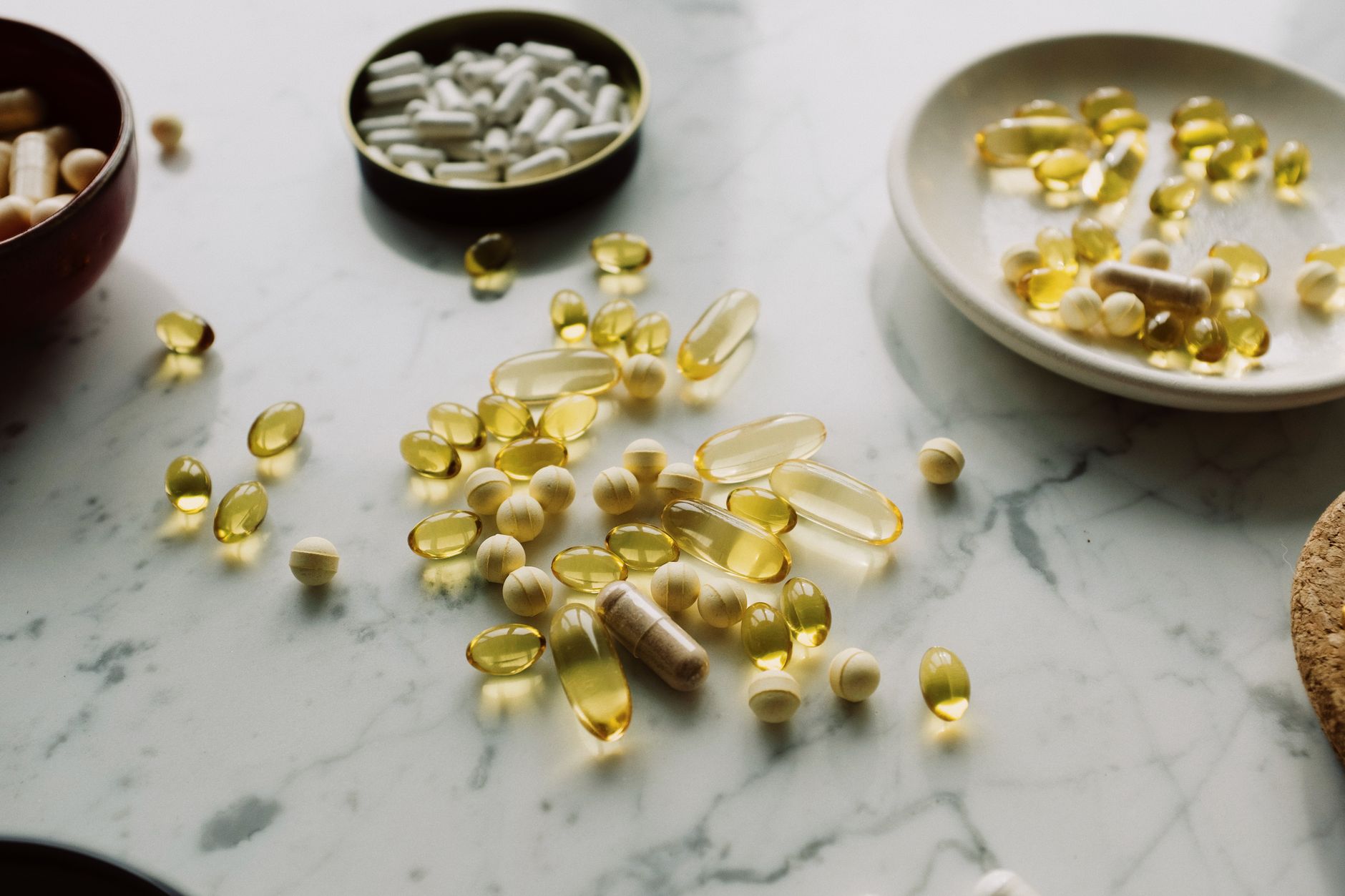
Supplementation: Filling the Gaps with Precision
While food comes first, targeted supplements can address specific deficiencies or enhance longevity pathways that are hard to optimize through diet alone.
Science-Backed Longevity Supplements
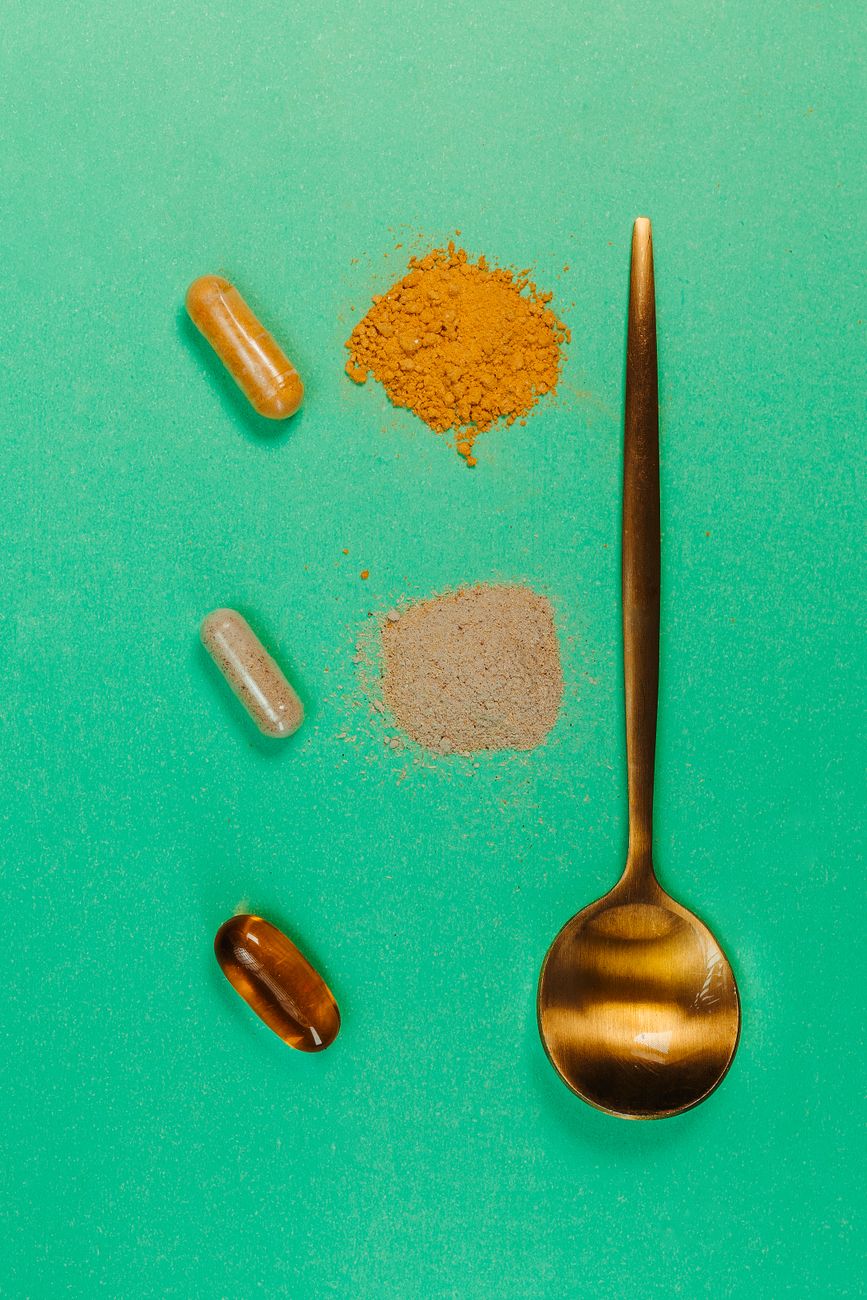
- NAD+ precursors: Compounds like nicotinamide riboside (NR) support cellular energy production and sirtuin activity, crucial for DNA repair.
- Omega-3s: High-quality fish oil reduces inflammation and supports cardiovascular and brain health.
- Vitamin D3: Essential for immune function and bone health, especially with limited sun exposure.
- Polyphenol blends: Extracts from green tea, curcumin, or resveratrol can activate antioxidant and anti-inflammatory pathways.
- Collagen peptides: Support skin elasticity, joint health, and gut integrity.
Our clinically studied longevity supplements are formulated based on the latest research to complement a holistic lifestyle. Always consult a healthcare provider before starting new supplements, particularly if you have underlying conditions.
Social and Purpose-Driven Longevity
Humans are inherently social beings, and our connections significantly influence aging. Studies from the Harvard Study of Adult Development show that strong relationships are the strongest predictor of long-term health and happiness.
Cultivating Meaningful Longevity
- Nurture relationships: Invest time in family and friends. Regular, positive interactions boost oxytocin and reduce stress.
- Find purpose: Engage in activities that provide a sense of meaning, whether through work, volunteering, or hobbies. Purpose is linked to lower inflammation and longer telomeres.
- Community involvement: Participate in group activities, clubs, or faith-based organizations to build a support network.
Individuals with strong social ties have a 50% greater likelihood of survival over time compared to those with weaker connections, according to a meta-analysis in PLOS Medicine. For strategies to enhance social health, see our guide on purposeful aging.
Putting It All Together: Your Personalized Longevity Protocol
Holistic anti-aging is not about perfection but about consistent, incremental improvements across all domains. Start by assessing your current status using tools like our free health assessment and AI facial aging test. Then, prioritize one or two areas—such as improving sleep or adding strength training—before layering in additional strategies.
Sample Weekly Protocol
- Nutrition: Follow a plant-rich diet with time-restricted eating (e.g., meals within a 10-hour window).
- Movement: Include 30 minutes of brisk walking daily, two strength sessions, and one HIIT workout.
- Sleep: Aim for 8 hours nightly with a consistent bedtime.
- Stress management: Practice 10 minutes of meditation each morning and spend weekend time in nature.
- Social: Schedule two meaningful social connections weekly.
- Tracking: Use monthly biomarker checks or quarterly AI aging analyses to monitor progress.
Remember, the goal is sustainable change. Small, consistent actions compound into significant anti-aging benefits over months and years.
Conclusion: Embracing a Holistic Path to Lifelong Vitality
Aging is a multifaceted process that demands an equally comprehensive response. By integrating evidence-based strategies in nutrition, movement, sleep, stress management, cognitive care, environmental hygiene, advanced diagnostics, targeted supplementation, and social health, you can actively slow biological aging and enhance your healthspan. This holistic approach transcends quick fixes, offering a sustainable path to vitality that aligns with the latest longevity science. Start today by taking one actionable step—whether it's optimizing your sleep environment or scheduling a health assessment—and build from there. Your future self will thank you for the investment in holistic well-being.