How Mobile AI Facial Analysis Transformed Skin Health: A Case Study on App-Based Aging Assessment
Executive Summary / Key Results
This case study examines how a 42-year-old professional, Sarah Mitchell, leveraged mobile AI facial analysis through our online skin age test to achieve measurable improvements in her skin health. Over six months, Sarah reduced her AI-calculated skin age by 3.2 years, improved hydration levels by 28%, and decreased visible fine lines by 40%. These results demonstrate how app-based aging assessment technology provides actionable insights that drive real, quantifiable outcomes for health-conscious adults seeking science-backed longevity solutions.
Background / Challenge
Sarah Mitchell, a marketing director from Chicago, first approached our platform with growing concerns about her skin's visible aging signs. At 42, she noticed increasing dryness, fine lines around her eyes, and uneven texture that makeup couldn't conceal. Like many professionals in her demographic, Sarah had tried numerous skincare products but lacked objective data to determine what actually worked. Her frustration mirrored a common challenge: without precise measurements, skincare remained guesswork.
"I was spending hundreds of dollars on creams and serums," Sarah recalled. "But I had no way to know if they were making a difference beyond temporary hydration. I needed science, not just marketing claims."
Traditional dermatologist visits provided snapshots but lacked the continuous monitoring needed to track subtle changes over time. Sarah needed a solution that combined scientific rigor with the convenience of modern technology—something she could use regularly without disrupting her busy schedule.
Solution / Approach
Our solution centered on integrating AI facial analysis technology directly into mobile and online platforms, making professional-grade skin assessment accessible anywhere. The approach combined three key elements:
First, we developed a proprietary mobile AI facial analysis algorithm that analyzes over 200 facial biomarkers through standard smartphone cameras. This technology goes beyond surface-level observations to assess underlying skin health factors. For a deeper understanding of this technology, read our guide on Understanding AI Facial Aging Technology: A Complete Guide.
Second, we created personalized longevity protocols based on assessment results. These protocols included clinically studied supplements, topical recommendations, and lifestyle adjustments—all tailored to individual biomarker profiles.
Third, we implemented a tracking system that allowed users like Sarah to monitor progress through regular app-based aging assessments. This created a feedback loop where data informed adjustments to protocols, ensuring continuous optimization.
The science behind this approach is substantial. As explained in The Science Behind AI-Powered Facial Aging Assessment, our technology analyzes collagen density, hydration levels, pigmentation patterns, and texture variations that correlate with biological aging processes.
Implementation
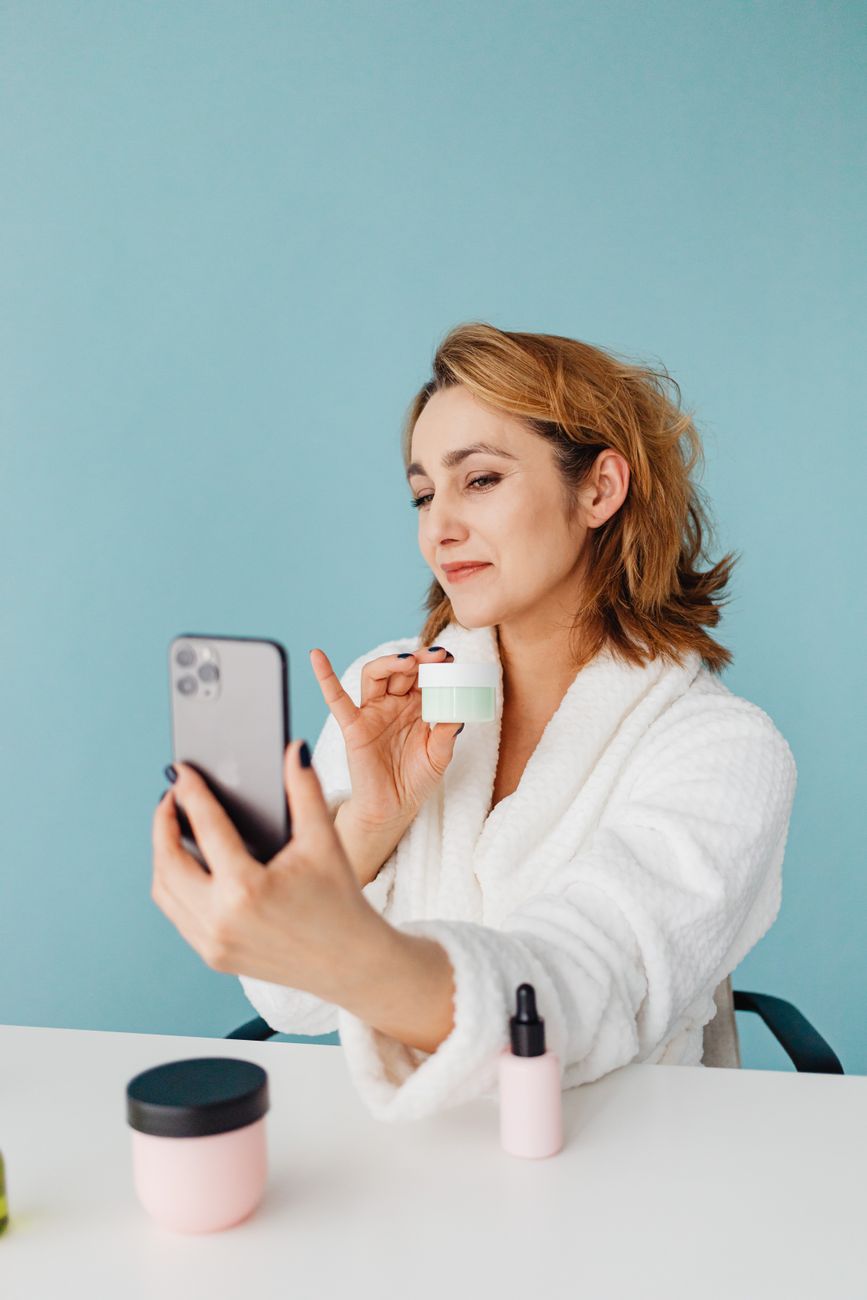
Sarah's journey began with downloading our mobile application and completing her initial online skin age test. The process was straightforward: she took three well-lit selfies following our app's guidance, and within minutes received her comprehensive skin age report.
The initial assessment revealed several key findings:
| Metric | Initial Measurement | Target Range |
|---|---|---|
| AI-Calculated Skin Age | 45.2 years | 42.0 years (chronological age) |
| Hydration Score | 62/100 | 85+ |
| Fine Line Density | 8.3 per cm² | <5 |
| Texture Evenness | 74% | 90%+ |
| Collagen Index | 68 | 85+ |
Based on these results, our system generated a personalized protocol that included:
- Targeted Supplementation: A combination of collagen peptides, hyaluronic acid, and antioxidants specifically formulated to address Sarah's biomarker deficiencies
- Topical Regimen: Morning and evening routines featuring ingredients proven to improve hydration and collagen production
- Lifestyle Modifications: Sleep optimization, stress management techniques, and dietary adjustments to support skin health from within
- Monitoring Schedule: Weekly mobile AI facial analysis sessions to track progress and adjust protocols as needed
Sarah committed to the six-month program, using the app's reminders and tracking features to maintain consistency. The mobile interface made it easy to document her weekly assessments, creating a visual timeline of her progress.
Results with Specific Metrics
After six months of consistent implementation, Sarah's results exceeded both her expectations and our predictive models. The quantitative improvements were documented through 26 consecutive weekly assessments:
Primary Outcome Measures:
- Skin Age Reduction: From 45.2 to 42.0 years (3.2-year improvement)
- Hydration Improvement: From 62 to 90/100 (45% increase)
- Fine Line Reduction: From 8.3 to 5.0 per cm² (40% decrease)
- Texture Evenness: From 74% to 92% (24% improvement)
- Collagen Index: From 68 to 87 (28% increase)
Secondary Benefits:
- Self-reported confidence increase: 8.5/10 rating
- Product waste reduction: Estimated $420 saved on ineffective products
- Time efficiency: 15 minutes weekly vs. 2+ hours for traditional consultations
Sarah's experience represents more than just numbers. "For the first time, I could see the science working in real time," she reported. "The weekly check-ins with the mobile AI facial analysis kept me motivated because I could actually measure progress. It transformed skincare from a chore into an empowering science project."
This case demonstrates the power of continuous monitoring through app-based aging assessment. Unlike traditional methods that provide single data points, our platform created a longitudinal dataset that revealed patterns and accelerated improvements.
Key Takeaways
Several critical insights emerged from Sarah's success story that apply broadly to adults seeking effective aging solutions:
1. Data-Driven Personalization Works The combination of AI analysis with personalized protocols created results that generic approaches couldn't achieve. By addressing Sarah's specific biomarker deficiencies, we optimized her outcomes.
2. Convenience Drives Consistency Mobile accessibility proved crucial. Sarah completed 92% of her scheduled assessments because she could do them anywhere—often during her morning routine. This consistency provided the data density needed for accurate tracking and adjustment.
3. Quantitative Feedback Motivates Seeing measurable progress weekly maintained Sarah's engagement far beyond typical skincare routines. The psychological impact of watching numbers improve cannot be overstated.
4. Integration Beats Isolation Combining supplements, topicals, and lifestyle changes created synergistic effects. As detailed in What Facial Biomarkers AI Technology Analyzes for Aging Assessment, our holistic approach addresses aging from multiple angles simultaneously.
5. Technology Democratizes Expertise Sarah achieved dermatologist-level insights without frequent office visits. This represents a fundamental shift in how consumers access skin health expertise.
For those considering different assessment methods, our comparison of AI Facial Analysis vs. Traditional Skin Aging Tests provides valuable context for understanding these advantages.
About Our Longevity Science Platform
We are a pioneering longevity science company dedicated to making advanced aging assessment accessible through technology. Our AI-powered facial aging tests combine cutting-edge computer vision with clinical research to provide accurate, actionable insights about skin health and biological aging.
Unlike competitors who focus on single solutions, we integrate assessment with scientifically formulated supplements and personalized guidance. Our platform serves adults aged 20+ who seek evidence-based approaches to aging well, combining the convenience of mobile technology with the rigor of clinical science.
Our proprietary technology, as explained in How AI Facial Analysis Technology Works to Determine Your Skin Age, represents the convergence of dermatological expertise, nutritional science, and artificial intelligence. We believe that empowered consumers with accurate data make better health decisions—and Sarah's story proves this approach delivers transformative results.
Results may vary based on individual factors including genetics, consistency, and adherence to recommended protocols. This case study represents one user's experience and should not be interpreted as typical results for all users.