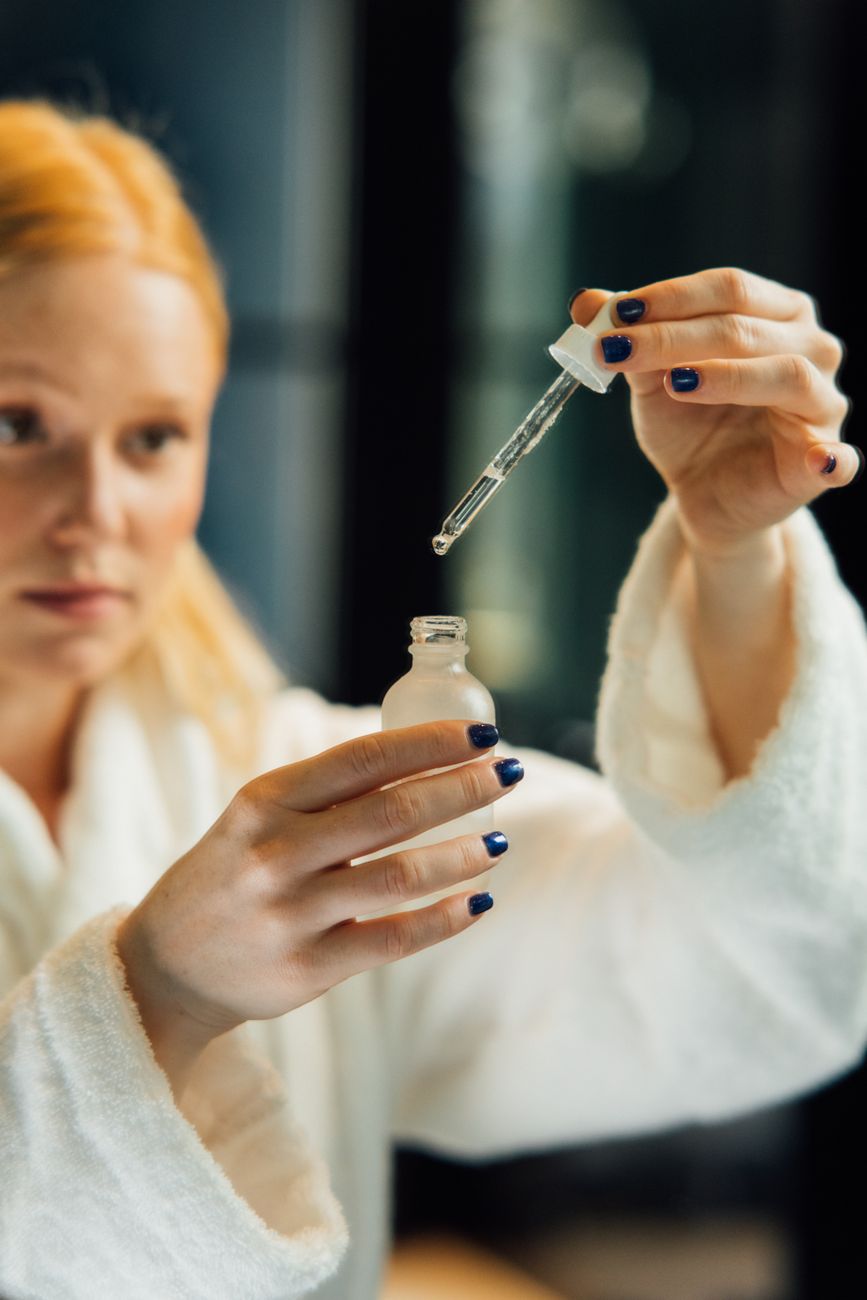
How to Choose Effective Anti-Aging Serums: Retinol, Vitamin C, and Peptides Explained
In the quest for youthful, radiant skin, anti-aging serums have become essential tools in modern skincare. These concentrated formulas target specific aging concerns with potent active ingredients, offering results that basic moisturizers cannot match. However, with countless products on the market and conflicting information about ingredients like retinol, vitamin C, and peptides, choosing the right serum can feel overwhelming. This comprehensive guide will demystify these powerhouse ingredients, providing science-backed insights to help you build an effective anti-aging regimen tailored to your skin's needs.
According to dermatological research, consistent use of targeted serums can reduce visible fine lines by up to 40% within 12 weeks and improve skin texture by 30% in just 8 weeks. But achieving these results requires more than just applying any serum—it demands understanding how different ingredients work, when to use them, and how they complement each other. Whether you're in your 20s focusing on prevention, your 30s addressing early signs of aging, or your 40s and beyond targeting more pronounced concerns, this definitive guide will equip you with the knowledge to make informed decisions about the best anti-aging serums for your unique skin journey.
Understanding Anti-Aging Serum Fundamentals
Anti-aging serums differ from other skincare products in their formulation and function. While cleansers remove impurities and moisturizers hydrate and protect, serums contain higher concentrations of active ingredients designed to penetrate deeper into the skin's layers. Their lightweight, fast-absorbing textures allow these potent compounds to target specific aging mechanisms at the cellular level.
The primary aging mechanisms that effective serums address include collagen degradation, oxidative stress, cellular turnover slowdown, and moisture barrier compromise. Collagen, the protein responsible for skin's structural integrity, naturally decreases by approximately 1% per year after age 20. Simultaneously, free radicals from environmental factors like UV exposure and pollution accelerate aging through oxidative damage. Quality anti-aging serums counteract these processes through scientifically validated ingredients that stimulate collagen production, neutralize free radicals, accelerate cell renewal, and reinforce the skin's natural defenses.
Understanding your skin type and specific concerns is crucial before selecting serums. Dry skin may benefit from hydrating peptides and vitamin C, while oily or acne-prone skin often responds well to retinol's regulating properties. For a comprehensive overview of how topical treatments fit into broader anti-aging strategies, explore our guide to Skincare & Topical Anti-Aging: A Complete Guide, which covers everything from ingredient science to application techniques.
The Science of Retinol: Gold Standard for Cellular Renewal
Retinol, a derivative of vitamin A, remains the most clinically studied and proven anti-aging ingredient available without prescription. Its effectiveness stems from its ability to bind to specific receptors in skin cells, triggering multiple rejuvenating processes simultaneously. When applied topically, retinol accelerates cellular turnover, helping shed dull, damaged surface cells to reveal fresher, smoother skin underneath. This process alone can reduce the appearance of fine lines, hyperpigmentation, and textural irregularities within weeks of consistent use.
Beyond surface renewal, retinol stimulates fibroblasts—the cells responsible for producing collagen and elastin. A landmark study published in the Archives of Dermatology found that retinol use increased collagen production by up to 80% after 24 weeks of treatment. This collagen boost helps plump skin from within, reducing the depth of wrinkles and improving overall firmness. Retinol also normalizes keratinization (the process of skin cell maturation), making it particularly effective for those struggling with acne or clogged pores alongside aging concerns.
Retinol Strengths and Considerations
Retinol's potency comes with important considerations for safe and effective use. Beginners should start with low concentrations (0.25% to 0.5%) and apply every other night to allow skin to acclimate. Common initial side effects include dryness, flaking, and mild irritation, which typically subside within 2-4 weeks as skin builds tolerance. Always apply retinol to clean, dry skin at night, followed by a moisturizer to counteract potential dryness. Sun sensitivity increases with retinol use, making daily broad-spectrum SPF 30+ non-negotiable.
For those with sensitive skin who cannot tolerate traditional retinol, gentler alternatives like retinaldehyde or encapsulated retinol may provide similar benefits with reduced irritation. Prescription-strength retinoids (like tretinoin) offer more dramatic results but require medical supervision. Regardless of formulation, consistency proves more important than concentration—regular use of a well-tolerated retinol serum yields better long-term results than sporadic use of a stronger formula that causes irritation and discontinuation.
Vitamin C: The Antioxidant Powerhouse for Protection and Brightening
While retinol works primarily at night to repair and renew, vitamin C serves as daytime armor against environmental aggressors. As a potent antioxidant, vitamin C neutralizes free radicals—unstable molecules generated by UV exposure, pollution, and other stressors that damage skin cells and accelerate aging. This protective function helps prevent collagen breakdown before it occurs, complementing retinol's collagen-stimulating effects. Clinical studies demonstrate that topical vitamin C can reduce UV-induced damage by up to 52% when used consistently under sunscreen.
Beyond protection, vitamin C offers multiple brightening and evening benefits. It inhibits tyrosinase, the enzyme responsible for melanin production, helping fade dark spots and post-inflammatory hyperpigmentation. Simultaneously, it promotes a more radiant complexion by improving skin's natural luminosity and reducing the appearance of sallow tones. Vitamin C also enhances collagen synthesis through its role as a cofactor in collagen production, though this effect is less pronounced than retinol's direct stimulation.
Choosing and Using Vitamin C Effectively
Not all vitamin C serums deliver equal benefits. The ingredient's instability presents formulation challenges that significantly impact efficacy. L-ascorbic acid, the most biologically active form, requires acidic pH (below 3.5) for optimal penetration and stability. Look for concentrations between 10-20% in opaque, airtight packaging that minimizes exposure to light and air, which degrade vitamin C. Derivatives like magnesium ascorbyl phosphate or tetrahexyldecyl ascorbate offer greater stability with slightly reduced potency, making them suitable alternatives for sensitive skin or those new to vitamin C.
Application timing matters significantly for vitamin C serums. Apply to clean skin in the morning before moisturizer and sunscreen, allowing complete absorption before layering other products. Vitamin C enhances sunscreen efficacy rather than replacing it—think of it as boosting your SPF's protection rather than providing standalone sun protection. For maximum brightening effects, consider combining vitamin C with other antioxidants like vitamin E and ferulic acid, which research shows can increase vitamin C's stability and effectiveness up to eightfold.
Peptides: Targeted Messengers for Skin Repair and Firming
Peptides represent the third pillar of effective anti-aging serums, offering targeted communication with skin cells to address specific concerns. These short chains of amino acids act as messengers, signaling skin to perform particular functions like producing more collagen, increasing hydration, or reducing inflammation. Unlike retinol and vitamin C, which work through chemical reactions, peptides communicate directly with cells through biological pathways, making them exceptionally well-tolerated by even the most sensitive skin types.
The diversity of peptide types allows for highly targeted formulations. Signal peptides like palmitoyl pentapeptide-4 (Matrixyl) stimulate collagen, elastin, and hyaluronic acid production by mimicking the body's natural repair signals. Neurotransmitter-inhibiting peptides (like Argireline) temporarily relax facial muscles to reduce expression line depth—think of them as topical alternatives to injectable neuromodulators. Carrier peptides deliver trace minerals essential for collagen synthesis, while enzyme-inhibiting peptides prevent collagen breakdown by blocking destructive enzymes.
Maximizing Peptide Benefits in Your Routine
Peptides excel in addressing multiple aging concerns simultaneously without irritation, making them ideal for daily use and sensitive skin. Their gentle nature allows morning and evening application, though they pair particularly well with vitamin C in daytime routines (enhancing antioxidant protection) and retinol at night (complementing cellular renewal). Since peptides work through biological signaling rather than chemical exfoliation or stimulation, results appear gradually over 8-12 weeks of consistent use rather than immediately.
When selecting peptide serums, examine the specific peptides included and their concentrations. Quality formulations list peptides within the first five ingredients and specify percentages when possible (typically 2-10% depending on peptide type). Combining multiple peptide types often yields superior results—for example, pairing a signal peptide with a neurotransmitter inhibitor addresses both structural collagen loss and dynamic expression lines. Store peptide serums away from direct sunlight and extreme temperatures to maintain their biological activity, and avoid mixing with highly acidic products (like direct acids) in the same application step, which can degrade peptide structures.
Comparing Retinol, Vitamin C, and Peptides: When to Use Each
Understanding how retinol, vitamin C, and peptides differ helps create targeted routines that address specific concerns efficiently. The following table summarizes their primary functions, optimal usage times, and key considerations:
| Ingredient | Primary Anti-Aging Mechanisms | Best Application Time | Key Benefits | Considerations |
|---|---|---|---|---|
| Retinol | Accelerates cellular turnover, stimulates collagen production, normalizes skin cell maturation | Night only | Reduces fine lines and wrinkles, improves texture and tone, minimizes pores | Causes initial irritation, increases sun sensitivity, requires gradual introduction |
| Vitamin C | Neutralizes free radicals, inhibits melanin production, supports collagen synthesis | Morning preferred | Protects against environmental damage, brightens complexion, fades dark spots | Unstable formulations degrade quickly, requires acidic pH for efficacy |
| Peptides | Signals specific cellular functions (collagen production, muscle relaxation, hydration boost) | Morning and/or night | Improves firmness and elasticity, reduces expression lines, enhances hydration | Results appear gradually, specific peptides target specific concerns |
This comparison reveals why combining these ingredients often yields superior results to using any single ingredient alone. Vitamin C provides daytime protection against the damage that retinol repairs at night, while peptides offer continuous support for skin's structural proteins. However, not all combinations work harmoniously—applying retinol and vitamin C simultaneously can reduce both ingredients' efficacy due to pH incompatibility. Instead, separate them by using vitamin C in the morning and retinol at night, with peptides complementing either or both applications.
Building an Effective Anti-Aging Serum Routine
Creating an effective anti-aging serum regimen requires more than selecting quality products—it demands strategic layering and timing. The foundational principle remains "thinnest to thickest," applying serums from lightest texture to densest, allowing each layer to absorb fully before adding the next. Typically, this means vitamin C or antioxidant serums first (if using in the morning), followed by peptides, then retinol (if using at night), with moisturizer as the final step to seal in actives and provide hydration.
Consider this sample routine for someone addressing multiple aging concerns with normal to combination skin:
Morning Routine:
- Gentle cleanser
- Vitamin C serum (applied to dry skin, allowed to absorb for 60 seconds)
- Peptide serum focusing on hydration and firming
- Moisturizer
- Broad-spectrum SPF 30+
Evening Routine:
- Double cleanse (oil-based followed by water-based cleanser)
- Retinol serum (applied to completely dry skin, starting 2-3 nights weekly)
- Peptide serum targeting collagen production
- Repair-focused moisturizer
This approach separates potentially incompatible ingredients while maximizing each one's benefits. The morning focuses on protection and brightening with vitamin C and supportive peptides, while the evening emphasizes repair and renewal with retinol and complementary peptides. Those with sensitive skin might alternate retinol nights with recovery nights featuring only peptides and moisturizer, gradually increasing frequency as tolerance builds.
For age-specific guidance on building complete routines, our article on the Best Anti-Aging Skincare Routine for Your 20s, 30s, 40s, and Beyond provides detailed protocols tailored to different life stages and concerns.
Navigating Common Serum Selection Challenges
With countless serum options available, several common challenges complicate selection. First, concentration claims often mislead—higher percentages don't necessarily mean better results if the formulation lacks proper delivery systems or stabilizing technology. For retinol, 0.25-1% concentrations typically offer optimal efficacy with manageable irritation, while vitamin C requires 10-20% L-ascorbic acid in properly stabilized formulas. Peptide concentrations vary by type but should appear prominently in ingredient lists.
Second, packaging significantly impacts ingredient stability. Retinol and vitamin C degrade when exposed to light and air, making opaque, airtight pumps superior to clear dropper bottles. Peptides maintain stability better but still benefit from protective packaging. Third, cost doesn't always correlate with quality—while extremely inexpensive serums often cut corners on ingredient quality or concentration, mid-range products frequently offer optimal balance of efficacy, formulation science, and stability.
Consider this real-world example: Sarah, 42, struggled with fine lines, dullness, and early jowling. After using a popular vitamin C serum in clear packaging for three months with minimal results, she switched to an opaque-packaged 15% L-ascorbic acid formula with vitamin E and ferulic acid. Within six weeks, her complexion brightened noticeably. Adding a 0.5% retinol serum three nights weekly further improved fine lines, while a morning peptide serum enhanced firmness. This combination approach, with attention to formulation details, yielded results that single products failed to deliver.
Advanced Combinations and Layering Strategies
Once comfortable with basic serum use, advanced combinations can address specific concerns more precisely. For hyperpigmentation, vitamin C combined with niacinamide (applied at different times) inhibits melanin production through multiple pathways while improving skin barrier function. For pronounced wrinkles, alternating retinol with peptides that target expression lines (like Argireline) addresses both structural collagen loss and dynamic muscle movements. For dehydrated aging skin, layering hyaluronic acid with peptides that boost natural moisturizing factors provides both immediate and long-term hydration improvements.
Certain ingredients enhance each other's effects when used strategically. Vitamin E (tocopherol) stabilizes vitamin C and extends its antioxidant activity. Niacinamide complements retinol by reducing associated irritation and improving barrier function. Peptides containing copper (copper peptides) enhance retinol's collagen-stimulating effects while promoting wound healing—particularly beneficial for those experiencing retinol-related dryness or sensitivity.
However, some combinations risk reducing efficacy or causing irritation. Avoid applying vitamin C and retinol simultaneously due to pH conflict. Similarly, direct acids (like glycolic or salicylic acid) can degrade peptides and increase retinol irritation when used in the same routine—separate them by using acids in morning routines and retinol at night, or alternate days. When introducing multiple new serums, add one every two weeks to monitor skin's response and identify any irritants promptly.
Addressing Specific Aging Concerns with Targeted Serums
Different aging concerns respond best to specific ingredient combinations. For fine lines and wrinkles, retinol remains most effective, supported by collagen-stimulating peptides. Research indicates that combining retinol with peptides like palmitoyl tripeptide-5 can increase collagen production synergistically, offering superior wrinkle reduction compared to either ingredient alone. Apply retinol first (allowing full absorption), followed by peptide serum, then moisturizer.
For loss of firmness and elasticity, peptides targeting structural proteins deliver most direct benefits. Look for serums containing multiple signal peptides (like Matrixyl 3000) that stimulate collagen, elastin, and hyaluronic acid simultaneously. These can be used morning and night, combined with vitamin C for additional collagen support and antioxidant protection against further degradation.
For dullness and uneven tone, vitamin C provides most dramatic brightening, particularly when formulated with additional antioxidants and penetration enhancers. For stubborn hyperpigmentation, consider alternating vitamin C with other brightening agents like azelaic acid or kojic acid on different days, ensuring consistent sunscreen use to prevent further pigment formation.
For dehydrated aging skin, prioritize peptide serums containing hydrating peptides like palmitoyl tripeptide-8 alongside traditional humectants like hyaluronic acid. These combinations improve both immediate moisture levels and long-term hydration retention by strengthening skin's natural moisture barrier—a frequent casualty of aging that exacerbates fine lines and dullness.
Integrating Serums with Professional Treatments and Supplements
While topical serums form the cornerstone of effective anti-aging skincare, they work best when combined with professional treatments and internal support. Professional procedures like chemical peels, microneedling, and laser therapies create controlled damage that stimulates more dramatic collagen production than topicals alone. When timed correctly with serum use—typically resuming serums 3-7 days post-procedure, depending on treatment intensity—they can significantly enhance and prolong treatment results.
Internally, specific supplements support skin health from within. Collagen peptides taken orally have shown in clinical studies to improve skin elasticity, hydration, and collagen density when combined with topical treatments. Antioxidants like astaxanthin and polyphenols provide systemic protection against free radicals, complementing topical vitamin C. For comprehensive guidance on how supplements enhance topical regimens, explore our resources on science-backed longevity approaches that address aging holistically.
Remember that no serum can compensate for fundamental skin health practices. Daily broad-spectrum sunscreen remains the most effective anti-aging product, preventing up to 80% of visible aging attributed to UV exposure. Adequate hydration, balanced nutrition, stress management, and quality sleep all contribute significantly to skin's appearance and resilience—serums enhance these foundations rather than replacing them.
Conclusion: Building Your Personalized Anti-Aging Serum Strategy
Choosing effective anti-aging serums requires understanding how retinol, vitamin C, and peptides work individually and synergistically. Retinol remains unmatched for cellular renewal and collagen stimulation, vitamin C excels at protection and brightening, while peptides offer targeted communication for specific concerns without irritation. The most effective approach combines these ingredients strategically—vitamin C in morning routines for protection, retinol at night for repair, and peptides supporting both applications for continuous improvement.
Successful serum integration depends on proper layering, consistent use, and patience. Start with one active ingredient, allow skin to acclimate for 4-6 weeks, then gradually introduce additional serums. Prioritize formulation quality over brand marketing—look for appropriate concentrations, stable packaging, and complementary ingredients that enhance primary actives. Remember that visible improvements require 8-12 weeks of consistent application, with optimal results appearing after 6 months of dedicated use.
Ultimately, the best anti-aging serums are those you'll use consistently as part of a comprehensive skincare approach. By understanding the science behind retinol, vitamin C, and peptides, you can make informed choices that address your specific concerns effectively. Combine these topical solutions with professional guidance, internal support through clinically studied supplements, and fundamental skin health practices for truly transformative results that stand the test of time.