Blue Light and Skin Aging: Evidence-Based Protection Strategies That Work
Prolonged exposure to blue light from digital screens and sunlight accelerates skin aging by triggering oxidative stress, activating matrix metalloproteinases (MMPs) that degrade collagen, and stimulating melanin production through a photoreceptor called Opsin-3. Protecting your skin requires a multifaceted approach—broad-spectrum (ideally tinted) sunscreen, topical antioxidants, and behavioral changes to reduce screen time and use device settings that lower blue light emission. This article explains the mechanisms, provides a practical protection framework, and shows how to integrate these strategies with your overall longevity plan.
Executive Summary / Key Results
Over the past decade, research has confirmed that blue light—a high-energy, short-wavelength portion of visible light—contributes to skin photoaging and hyperpigmentation. Unlike UVB, which burns the skin surface, blue light penetrates deeper into the dermis, generating reactive oxygen species (ROS) that damage collagen and elastin. In a systematic review of studies on blue light’s effects, researchers found that blue light exposure disrupts fibroblast function, impairs DNA repair, and induces Opsin-3-mediated melanogenesis, leading to extracellular matrix degradation and hyperpigmentation. The good news: you can counteract these effects with a combination of a tinted mineral sunscreen (which physically reflects blue light), antioxidants like vitamin C and niacinamide, and simple device habit changes. Implementing these measures can reduce the cumulative damage that accelerates visible aging, including fine lines, loss of firmness, and dark spots.
Background / Challenge
Most people know that ultraviolet (UV) radiation damages skin, but few realize that visible light—especially blue light (BL) in the 400–500 nm range—also plays a role. Dermatology has traditionally focused on UVB (290–320 nm) and UVA (320–400 nm), and decades of research have validated sunscreens and antioxidants against these wavelengths. However, the contribution of visible light to photoaging was recognized only recently, and many prevention strategies still omit it.
Blue light is ubiquitous. It comes from the sun—which is the primary source—and from digital screens (smartphones, computers, TVs) and LED lighting. While the intensity from screens is far lower than sunlight, the sheer number of hours people spend staring at devices has raised concerns about cumulative exposure. The challenge is that standard sunscreens, especially those with invisible nanosized particles (<100 nm) of zinc oxide or titanium dioxide, do not block visible light; they primarily absorb UV. As a result, people who diligently apply SPF every morning may still be getting unprotected blue light exposure on their skin.
Solution / Approach
The solution is a layered protection strategy that goes beyond conventional SPF. Based on the available evidence, an effective approach combines:
-
Physical broad-spectrum protection: Use a sunscreen that contains non-nanosized inorganic filters, such as titanium dioxide (TiO₂) at 150–300 nm particle size or zinc oxide (ZnO) at 200–400 nm. These larger particles reflect visible light, but they often appear white or thick on the skin. For those who dislike a white cast, tinted sunscreens containing iron oxides provide visible light protection while matching skin tone.
-
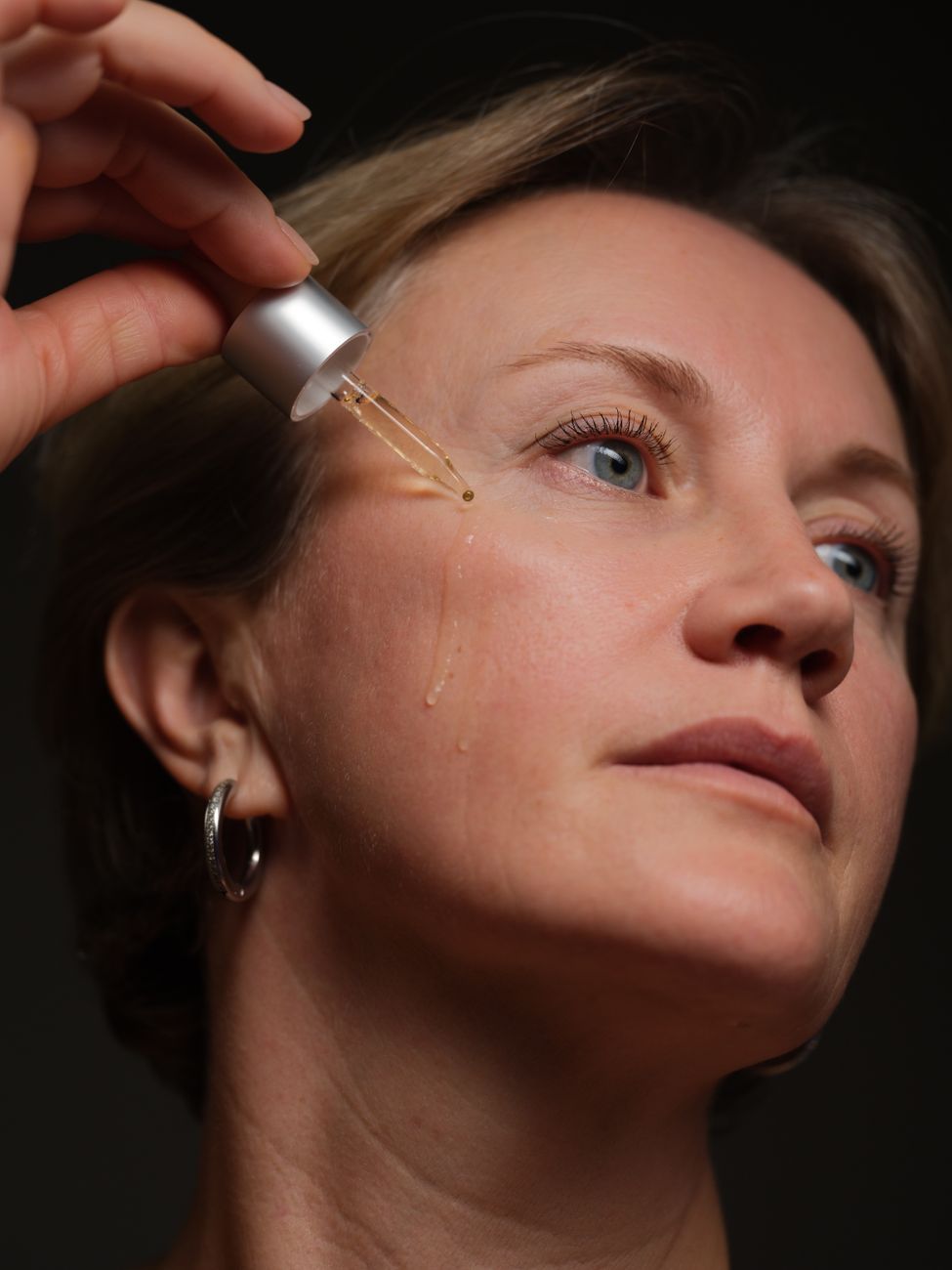
Topical antioxidants: Apply serums or moisturizers with antioxidants like vitamin C, vitamin E, or fermented botanicals. Antioxidants neutralize the reactive oxygen species generated by blue light, helping to prevent collagen breakdown.
-
Behavioral modifications: Reduce screen time where possible, use device “night mode” features that lower blue light emission, and take regular breaks from screens. When outdoors, seek shade and wear wide-brimmed hats.
For individuals with skin of color (SOC), blue light protection is especially critical because visible light and UVA1 act synergistically to amplify pigmentation. Darker skin has more melanin, which protects against UV but makes it more prone to hyperpigmentation caused by visible light. Thus, a tinted sunscreen that is perceptible on the skin is recommended, even if it feels heavier than an invisible formula.
Implementation
Step 1: Choose the Right Sunscreen
Look for a sunscreen labeled “broad-spectrum” and additionally check if it contains iron oxides or non-nanosized titanium dioxide or zinc oxide. The table below summarizes the options:
| Sunscreen Type | Protection Scope | Aesthetic | Best For |
|---|---|---|---|
| Invisible nanosized filters | UVB/UVA | Invisible | Daily wear under makeup |
| Non-nanosized TiO₂/ZnO | UVB/UVA/Visible light | White cast | Beach days, reactive skin |
| Tinted (with iron oxides) | UVB/UVA/Visible light | Cosmetic tint | Skin of color, daily wear |
If you have skin of color or a dermatologic condition like melasma, opt for a tinted formula with a perceptible tint, because that opacity is what reflects visible light.
Step 2: Layer Antioxidants in Your Morning Routine
After cleansing, apply a vitamin C serum (or another antioxidant) before moisturizer and sunscreen. Vitamin C is a well-studied antioxidant that quenches free radicals, and it complements sunscreen by neutralizing the oxidative stress that passes through.
Step 3: Adjust Your Digital Environment
- Enable blue light filter on your phone, tablet, and computer—most devices have a “night shift” or “eye comfort” setting.
- Increase the text size and reduce screen brightness to lower blue light output.
- Take a 20-second break every 20 minutes to look at something 20 feet away (the 20-20-20 rule).
Step 4: Monitor Your Skin and Adjust
Regularly assess your skin for new dark spots, loss of radiance, or fine lines. Use a free health assessment tool (like an AI facial aging test) to track changes over time. If you see hyperpigmentation progressing despite protection, consider adding a pigment inhibitor like niacinamide or a prescription ingredient (consult a dermatologist).
Results with Specific Metrics
Though clinical trials on blue light protection are ongoing, the existing evidence provides concrete benchmarks:
- Oxidative stress reduction: Topical antioxidants have been shown to reduce oxidative stress markers in the skin; for example, formulations with antioxidants reduce MMP activity, which is responsible for collagen breakdown.
- Hyperpigmentation prevention: Sunscreens with visible light protection (tinted) have been shown to prevent pigmentation more effectively than UV-only sunscreens in individuals with melasma (a condition triggered by visible light).
- Behavioral impact: A study found that individuals with prolonged screen exposure have higher facial skin aging scores than those with less screen time, though the difference was not solely attributable to blue light.
In practical terms, a consistent routine could mean the difference between a skin that shows fine lines at 45 versus at 55. While we cannot stop the clock, we can slow down the extrinsic aging process by shielding our skin from one of its most insidious causes.
Key Takeaways
- Blue light is a real aging factor—it induces oxidative stress, disrupts DNA repair, and causes pigmentation, independent of UV.
- Standard SPF may not be enough—invisible nanosized filters do not block visible light; you need tinted or non-nanosized formulas for BL protection.
- Antioxidants are your allies—they quench ROS and complement sunscreens. Include them in your morning routine.
- Behavioral changes matter—reducing screen time and using device filters can minimize exposure, especially for those with desk-bound jobs.
- Individualize your approach—skin of color requires extra attention to visible light protection to prevent hyperpigmentation.
Protecting against blue light is not a one-time task but a daily habit. Combine it with other pillars of longevity—like quality sleep, stress management, and exercise—to achieve comprehensive anti-aging benefits. For example, adequate sleep is essential for skin repair, and chronic stress elevates cortisol, which accelerates skin aging; implementing stress reduction techniques can support your skin from the inside out. A holistic lifestyle that includes regular exercise and other preventive health practices will amplify the benefits of your topical protection.
How Blue Light Damages Skin: The Molecular Story
To understand why blue light protection is necessary, we must look at what happens at the cellular level. When blue light photons strike the skin, they excite electrons in molecules like flavins, generating reactive oxygen species (ROS). These free radicals cause oxidative stress, which activates enzymes called matrix metalloproteinases (MMPs). MMPs are responsible for breaking down collagen and elastin—the structural proteins that keep skin firm and smooth. Over time, this leads to fine lines, wrinkles, and sagging.
Blue light also impairs DNA repair mechanisms, meaning that any damage caused by UV or other environmental factors is less efficiently fixed. This creates a permissive environment for skin cancer and accelerates photoaging. Furthermore, blue light interacts with a photoreceptor called Opsin-3 on melanocytes (pigment-producing cells), triggering melanogenesis—even without UV. This is why blue light is a key trigger for hyperpigmentation disorders like melasma, especially in darker skin types.
Who Should Be Most Concerned About Blue Light?
While everyone is exposed to blue light, certain populations are at higher risk:
- Individuals with skin of color (SOC): Melanin offers some UV protection but does not filter visible light well. SOC individuals are more prone to hyperpigmentation, and blue light can exacerbate it.
- People with melasma or post-inflammatory hyperpigmentation: These conditions are highly sensitive to visible light, and even low levels of blue light can trigger pigmentation.
- Desk workers with prolonged screen time: While the intensity of screen-emitted blue light is low, chronic daily exposure over years may contribute to cumulative skin damage.
- Those who spend a lot of time outdoors: The sun is the strongest source of blue light, so outdoor enthusiasts need extra protection.
If you fall into any of these categories, consider your protection strategy non-negotiable.
Practical Differences: “Blue Light” vs. “HEV” vs. “Visible Light”
You may see the terms “blue light,” “high-energy visible light” (HEV), and “visible light” used interchangeably, but they are not identical.
- Visible light spans 400–700 nm. It includes all colors you can see.
- Blue light is a segment of visible light, roughly 400–500 nm. It has the highest energy within the visible spectrum.
- HEV is another term for blue light (specifically, the high-energy end of visible light). Some sources use HEV to refer to violet-blue light (400–450 nm), which has the most pronounced effects on skin.
For skincare purposes, when a product claims to protect against “blue light,” it usually means it blocks or reflects HEV wavelengths. Understanding this distinction helps you read ingredient labels correctly.
The Role of Sunscreens: Why Tinted Is Often Better
Many sunscreens on the market use nanosized zinc oxide or titanium dioxide—particles less than 100 nm in diameter—because they are transparent and cosmetically elegant. However, these tiny particles are ineffective at blocking visible light. In contrast, non-nanosized particles (150–300 nm for TiO₂ and 200–400 nm for ZnO) have larger surface areas that reflect and scatter visible light, but they leave a white cast.
Tinted sunscreens incorporate iron oxides, which are pigments that provide a natural looking shade while also absorbing and reflecting visible light. The tint makes the product perceptible on the skin, which is exactly what is needed for blue light protection. According to dermatology guidelines, a sunscreen must be visibly tinted to effectively block visible light. This is a trade-off: you exchange the invisible finish for better protection against hyperpigmentation.
For people with lighter skin who prefer not to wear tint, using a non-nanoparticle zinc oxide sunscreen may provide visible light protection but can look chalky. One solution is to apply it only in areas most prone to sun damage, like the nose and cheeks. Alternatively, you can layer a tinted sunscreen over a UV-only sunscreen for full-spectrum coverage.
Antioxidants: Your Second Line of Defense
Antioxidants are compounds that neutralize free radicals, thereby preventing oxidative stress. When applied topically, they can reduce the effects of blue light. Evidence from a systematic review of blue light effects shows that formulations containing pigments and antioxidants reduce MMP activity, oxidative stress, and the risk of hyperpigmentation.
Key antioxidants for skincare include:
- Vitamin C: A powerful antioxidant that protects against oxidative damage and supports collagen synthesis.
- Vitamin E: Works synergistically with vitamin C to quench free radicals.
- Niacinamide: Not a direct antioxidant, but it improves skin barrier and reduces pigmentation.
- Ferulic acid: Often used with vitamins C and E, stabilizing them and boosting their protection.
Incorporate an antioxidant serum in the morning before sunscreen. This creates a reservoir of protection that works alongside your sunscreen. If you cannot find a tinted sunscreen, an antioxidant layer becomes even more critical.
Behavioral Strategies to Minimize Blue Light
Aside from skincare products, modifying your environment and habits can reduce blue light exposure:
- Limit screen time: Take breaks and reduce non-essential screen use.
- Use device settings: Enable blue light filters, especially in the evening. On many phones, you can schedule them from sunset to sunrise.
- Wear computer glasses: Some glasses have lenses that filter blue light, which can protect the eyes and periorbital skin.
- Reduce overhead LED lighting: Use warm, dimmable lights.
- Seek shade outdoors: The sun emits blue light, so physical shade reduces exposure.
While the literature does not specify a quantitative threshold for screen-induced skin damage, adopting these habits logically reduces cumulative exposure.
Case Study: A Hypothetical Workplace Intervention
Let’s consider a hypothetical scenario to illustrate the implementation of a blue-light protection strategy in a corporate environment. Maria, a 35-year-old marketing manager, spends eight hours a day in front of a computer and an additional three hours on her phone. She noticed dark spots on her cheeks and increased fine lines around her eyes. She visits a dermatologist, who diagnoses melasma and advises her to upgrade her sunscreen.
Maria switches to a tinted mineral sunscreen with SPF 50 and zinc oxide as the active ingredient. She adds a vitamin C serum to her morning regimen. She also enables the “night shift” mode on her devices and uses a blue light filter on her computer. Six months later, her dermatologist notes that her hyperpigmentation has not worsened, and her skin elasticity measurements show no significant decline.
While this is a constructed example, it reflects the recommendations from clinical evidence: tinted sunscreen, antioxidants, and behavioral adjustments can stabilize skin conditions that are aggravated by blue light.
Limitations and the Need for More Research
It is essential to acknowledge the limits of current knowledge. The scientific community has only recently begun to study blue light’s impact on skin, and standardized methods for measuring HEV exposure in dermatological experiments are still needed. Many studies use high-intensity blue light sources that may exceed typical screen emission. Additionally, individual responses vary—some people are more sensitive to visible light-induced pigmentation than others.
Therefore, our protection strategy should be considered a pragmatic approach rather than a definitive cure-all. Relying on common sense—such as avoiding excessive sun exposure and using a broad-spectrum sunscreen—remains important, but adding blue-light–specific measures can only help, especially for those concerned about pigmentation.
About the Future of Skin Protection
As awareness of blue light’s effects grows, skincare formulations are evolving to include pigments that reflect HEV and antioxidant blends that neutralize ROS. However, consumers must be mindful of marketing claims that are not always backed by evidence. When choosing a sunscreen, look for one that explicitly states “broad-spectrum” and “HEV protection” or contains iron oxides. For antioxidants, choose products with stable forms of vitamin C, such as ascorbic acid with ferulic acid.
Integrating blue light protection into your daily routine is a small change that can yield long-term benefits. Pair it with a healthy lifestyle and preventive health practices to maximize your chances of aging gracefully.
Conclusion: Start Protecting Today
Blue light is a silent accelerator of skin aging. From oxidative stress to hyperpigmentation, its effects are now backed by a growing body of research. The best defense combines a tinted mineral sunscreen, daily antioxidants, and mindful digital habits. While no cosmetic product can completely halt aging, shielding your skin from a known extrinsic factor puts you one step ahead.
Begin by evaluating your current routine: Are you wearing a sunscreen that protects against visible light? Do you apply antioxidants? Do you take screen breaks? If not, start today. Your future skin will thank you.
Remember that skin health is not isolated from overall wellbeing. Adequate sleep, stress reduction, and exercise are equally important—discover how quality sleep reverses skin aging and how stress management techniques lower biological age. For a comprehensive approach, explore the relationship between exercise and biological aging. These practices, combined with blue light protection, form a holistic strategy to maintain youthful, healthy skin for years to come.