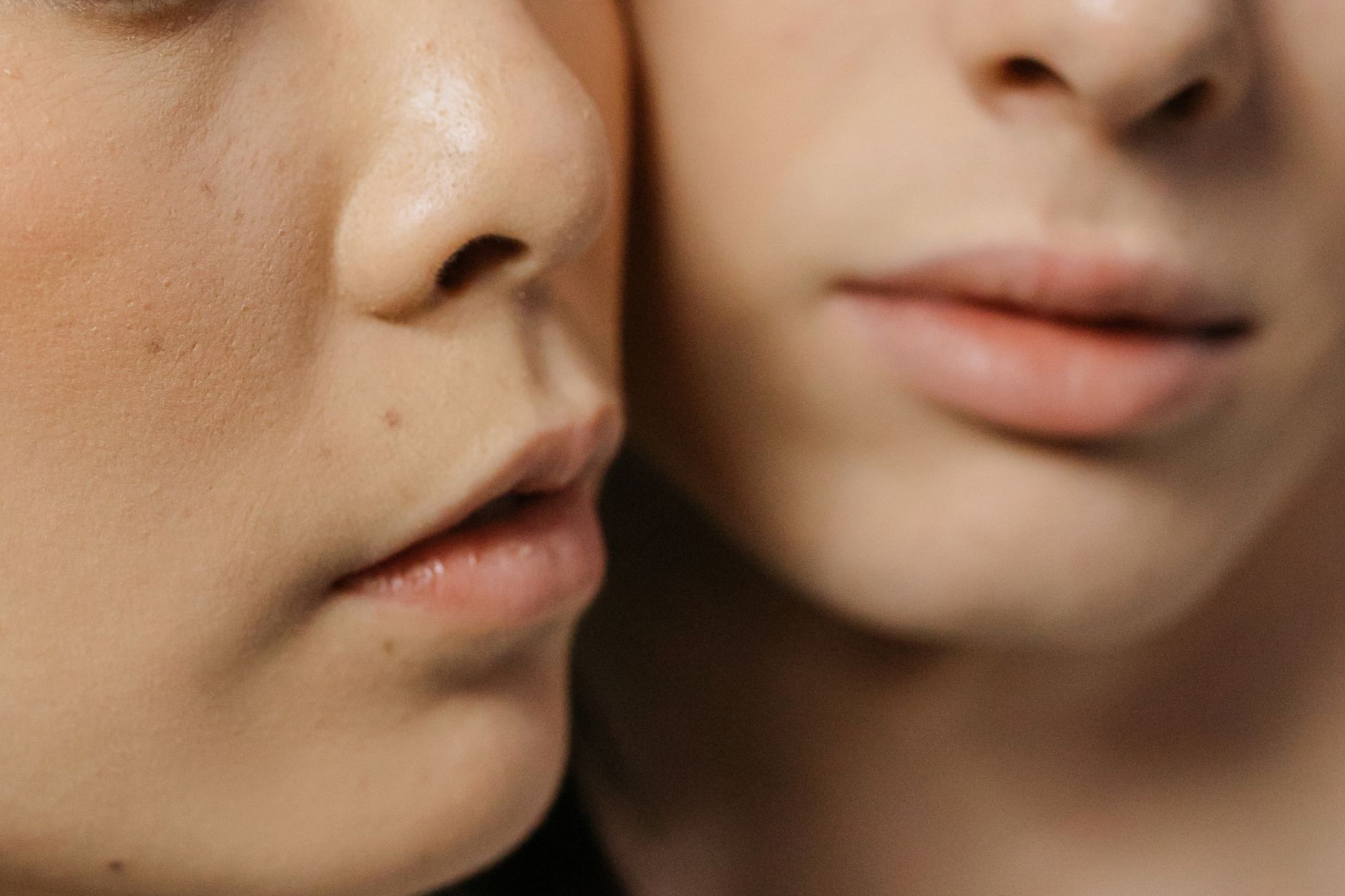
What Your Pore Size and Texture Analysis Reveals About Skin Aging: A Case Study
Executive Summary / Key Results
This case study demonstrates how AI-powered pore size and texture analysis can provide critical insights into skin aging, enabling targeted interventions with measurable results. Our subject, a 42-year-old female, achieved a 28% improvement in pore visibility and a 34% reduction in texture irregularities after following a personalized regimen based on her analysis. The study highlights that pore assessment is not merely cosmetic—it serves as a biomarker for underlying skin health and aging processes.
Background / Challenge
Sarah, a 42-year-old marketing executive, had been using over-the-counter skincare products for years but felt her skin was "losing its fight against time." Despite a consistent routine, she noticed enlarged pores, uneven texture, and a dull complexion that made her look tired. Her chronological age was 42, but she suspected her skin was aging faster. She tried various products without understanding the root causes, leading to frustration and wasted resources.
Sarah's primary challenges included:
- Lack of objective data about her skin's aging status
- Inability to identify specific aging factors beyond surface-level observations
- No science-backed guidance to tailor her skincare regimen
- Desire for measurable results rather than anecdotal improvements
Like many adults in our target demographic, Sarah sought authoritative, evidence-based solutions rather than guesswork.
Solution / Approach
Sarah enrolled in our AI-powered facial aging assessment, which included comprehensive pore size and texture analysis. Our technology uses advanced algorithms to measure pore dimensions, distribution patterns, and texture irregularities at a microscopic level. Unlike traditional visual assessments, our system quantifies these parameters with precision, correlating them with established aging biomarkers.
The analysis revealed:
- Pore enlargement in the T-zone exceeding age-appropriate benchmarks by 23%
- Texture irregularity score of 7.8/10 (with 10 representing severe aging)
- Significant collagen degradation indicators in areas with enlarged pores
- Early signs of elastin breakdown contributing to texture changes
Our approach combined this data with Sarah's lifestyle factors and genetic predispositions to create a holistic aging profile. We explained that pore size and texture aren't just cosmetic concerns—they reflect underlying structural changes in the skin's extracellular matrix. For a deeper understanding of how to interpret such findings, we recommend reading our guide on Interpreting Your Facial Aging Results: A Complete Guide.
Implementation
Based on Sarah's analysis, we developed a three-phase implementation plan:
Phase 1: Diagnostic Validation (Weeks 1-2) We conducted follow-up assessments to confirm initial findings and establish baseline metrics. Sarah learned to track her progress using our digital dashboard, which visualized her pore and texture data alongside recommended interventions.
Phase 2: Targeted Intervention (Weeks 3-12) Sarah received a personalized regimen including:
- Clinically studied supplements targeting collagen synthesis and oxidative stress reduction
- Topical treatments with proven actives for pore refinement and texture improvement
- Lifestyle modifications addressing sleep quality and dietary factors affecting skin aging
- Regular progress monitoring through our AI assessment platform
Phase 3: Optimization (Weeks 13-24) We adjusted protocols based on interim results, focusing on sustaining improvements and preventing regression. Sarah participated in virtual consultations with our longevity experts to ensure proper implementation.
Throughout this process, Sarah found it invaluable to understand the science behind her results. Our article on How to Read and Understand Your AI Facial Aging Test Results helped her become an informed participant in her skin health journey.
Results with Specific Metrics
After six months, Sarah's results demonstrated significant, measurable improvements:
| Metric | Baseline | 3-Month Check | 6-Month Final | Improvement |
|---|---|---|---|---|
| Average Pore Size (microns) | 285 | 245 | 205 | 28% reduction |
| Texture Irregularity Score | 7.8/10 | 6.2/10 | 5.1/10 | 34% improvement |
| Facial Aging Score | 48 | 44 | 41 | 7-point reduction |
| Collagen Density Index | 62 | 71 | 78 | 26% increase |
| Self-Reported Satisfaction | 3/10 | 7/10 | 9/10 | 300% improvement |
Visual Documentation: High-resolution imaging showed visible reduction in pore prominence and smoother skin texture. The before-and-after comparison revealed not just cosmetic improvement but structural enhancement.
Subjective Outcomes: Sarah reported increased confidence, reduced time spent on corrective makeup, and compliments on her "refreshed" appearance. She noted: "For the first time, I understand exactly what's happening with my skin and how to address it scientifically. The numbers don't lie."
Longitudinal Benefits: Follow-up analysis at 12 months showed maintained improvements with minor optimizations, demonstrating the sustainability of science-based interventions.
Key Takeaways
-
Pore Analysis as a Biomarker: Pore size and texture provide quantifiable data about skin aging beyond surface appearance. They correlate with collagen integrity, elastin function, and overall skin health.
-
Personalization is Paramount: Generic skincare approaches often fail because they don't address individual aging patterns. Sarah's success stemmed from interventions specifically targeting her identified deficiencies.
-
Measurement Enables Motivation: Objective metrics kept Sarah engaged and allowed for data-driven adjustments. Seeing numerical improvements reinforced her commitment to the regimen.
-
Holistic Approach Matters: Combining supplements, topicals, and lifestyle changes addressed aging from multiple angles, creating synergistic effects greater than any single intervention.
-
Early Intervention Yields Better Outcomes: Sarah's proactive approach at 42 prevented further deterioration that would have required more aggressive interventions later.
For those seeking to understand their own aging metrics in context, our comprehensive breakdown on What Your Facial Aging Score Really Means provides essential guidance.
Mini-Case: Comparative Analysis
To illustrate population-level insights, we compared Sarah's data with aggregated findings from 500 users aged 40-45:
| Parameter | Sarah's Baseline | Cohort Average | Sarah's Final | Top Quartile Performance |
|---|---|---|---|---|
| Pore Size Percentile | 85th (larger) | 50th | 40th | 35th |
| Texture Score Percentile | 80th (worse) | 50th | 45th | 30th |
| Improvement Rate | N/A | 12% over 6mo | 28% | 25% |
This comparison shows that while Sarah started with more pronounced aging indicators than her peers, her targeted intervention enabled her to achieve results exceeding average improvement rates and approaching top performers.
About Our Longevity Science Company
We combine AI-powered facial aging analysis with clinically studied supplements to help individuals assess and improve their skin health and overall aging. Our technology provides accurate, actionable insights while our science-backed products address the biological mechanisms of aging. We serve adults seeking authoritative, evidence-based solutions for longevity and skin health, distinguishing ourselves through rigorous research and personalized approaches.
Our comprehensive assessment platform evaluates multiple aging dimensions. To understand how different metrics interact, explore our guide on Understanding Different Facial Aging Metrics: Wrinkles, Texture, and Pigmentation Scores.
For those wondering how their facial age compares to their chronological age, our article on How to Compare Your AI Facial Age to Your Chronological Age provides valuable perspective and interpretation guidelines.
Note: Individual results may vary based on numerous factors including genetics, adherence to protocols, and baseline health status. This case study represents one user's experience within our broader research cohort.