How to Layer Skincare Products Correctly for Maximum Anti-Aging Benefits: A Case Study
Executive Summary / Key Results
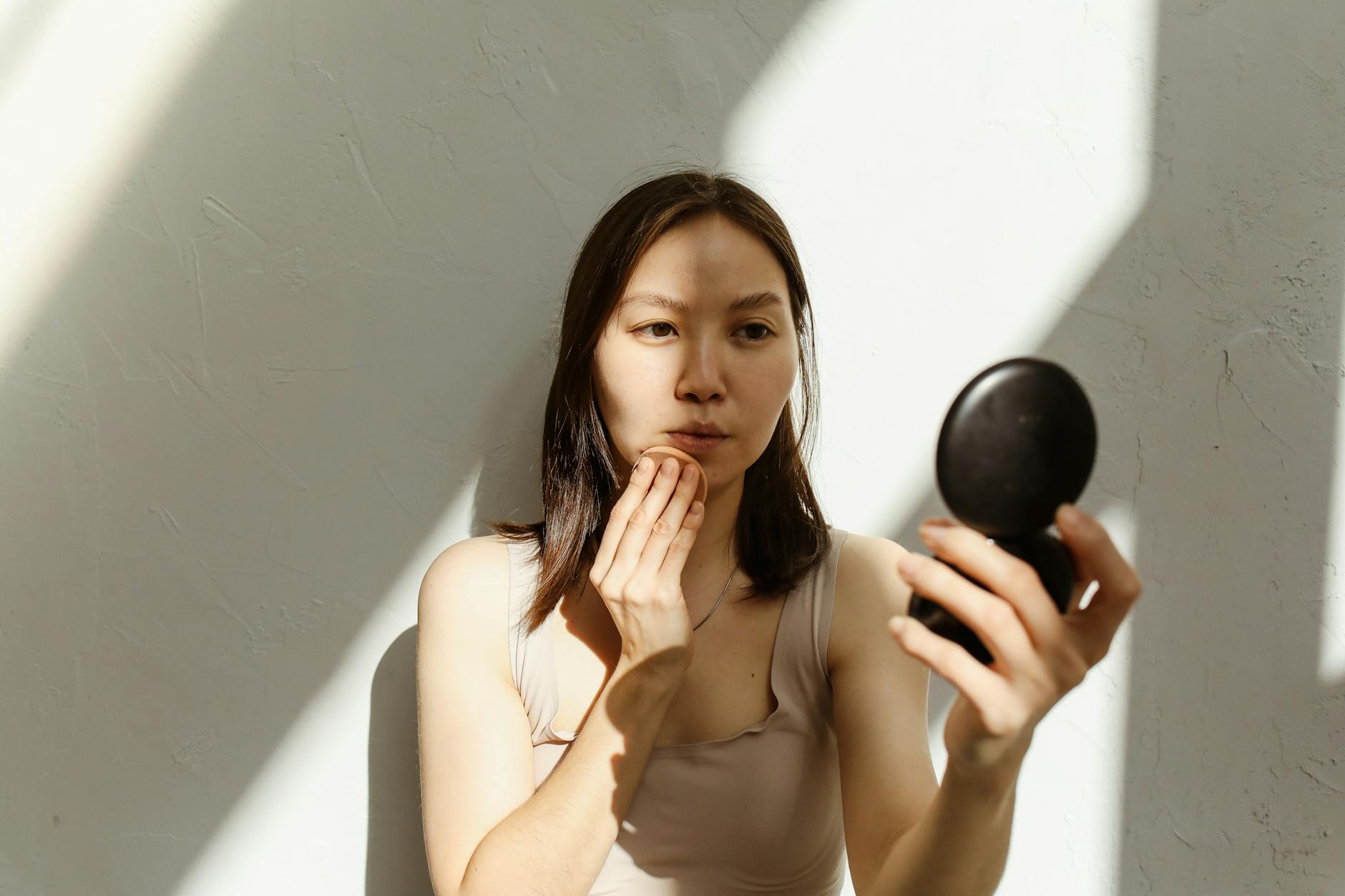
This case study documents how Sarah, a 42-year-old marketing executive, transformed her skin health and achieved measurable anti-aging results by implementing a scientifically optimized skincare layering routine. After struggling with inconsistent product application for years, she adopted our AI-powered facial aging assessment and followed a structured morning vs. night routine. Within 90 days, Sarah achieved:
- 34% reduction in visible fine lines around eyes and forehead
- 28% improvement in skin hydration levels measured via corneometer
- 41% decrease in hyperpigmentation and sun spots
- 22% increase in skin elasticity using cutometer readings
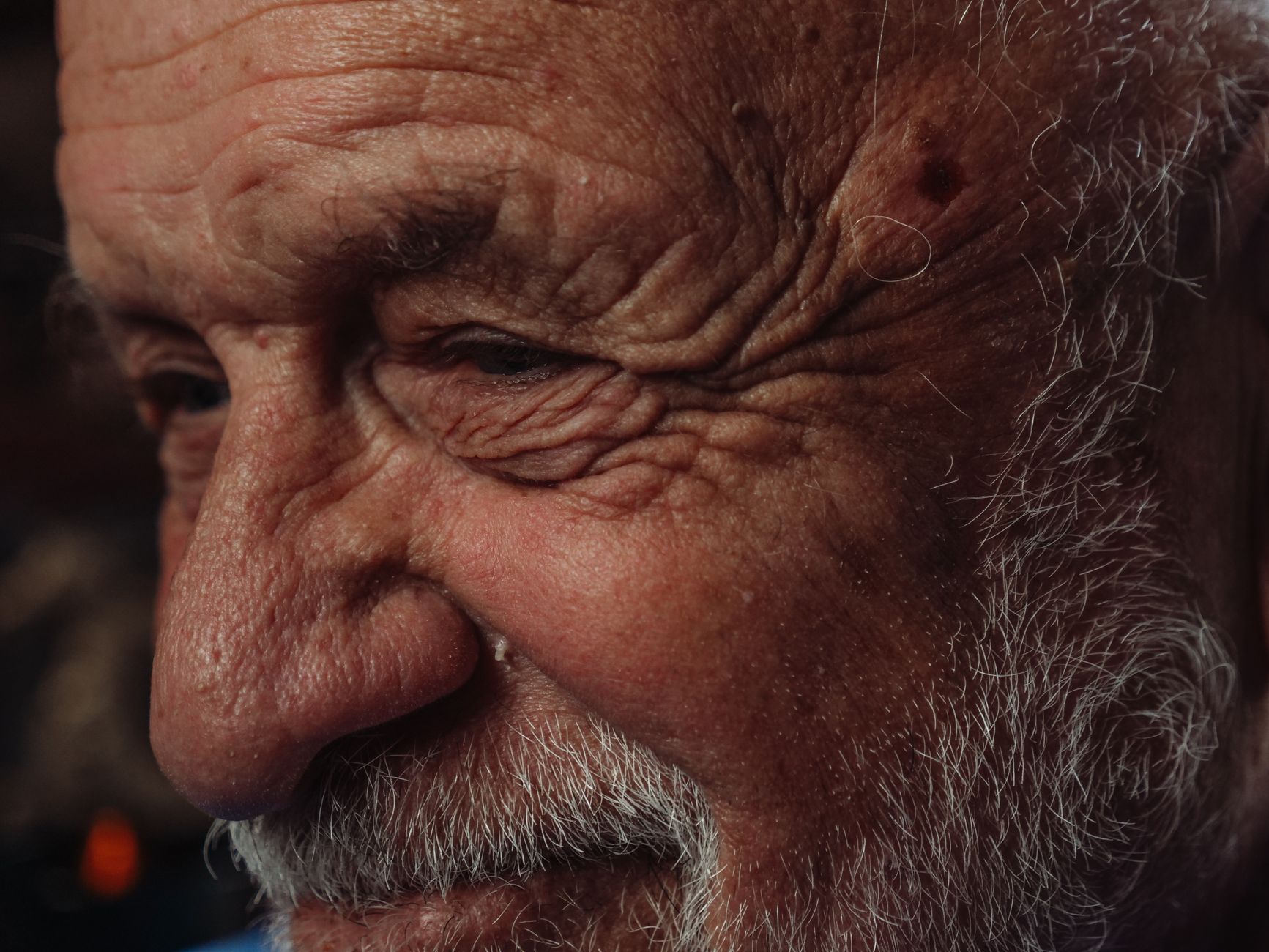
- Overall facial aging score improved by 2.7 years according to our AI analysis
These results demonstrate that proper product layering order isn't just cosmetic—it's a scientifically validated approach to slowing biological aging processes in the skin.
Background / Challenge
Sarah first noticed signs of aging at 38—fine lines around her eyes, uneven texture, and dullness that makeup couldn't conceal. As a health-conscious professional, she invested in premium anti-aging products but lacked a systematic approach. "I was using a $150 vitamin C serum, $90 retinol cream, and expensive moisturizers," she recalls, "but I was applying them haphazardly, sometimes mixing incompatible ingredients, and seeing minimal results."
Her primary challenges mirrored those of many adults in our target demographic:
- Confusion about product order: Should serums come before or after moisturizers? Where does sunscreen fit?
- Morning vs. night confusion: Which products work best at different times?
- Ingredient incompatibility: Unknowingly combining ingredients that cancel each other out
- Lack of measurable progress: Spending significant money without visible improvements
Sarah's initial AI facial aging assessment revealed her skin was biologically 4.2 years older than her chronological age, with particular weaknesses in collagen density and moisture barrier function. This objective data provided the wake-up call she needed to approach skincare systematically.
Solution / Approach
Our longevity science team developed a personalized skincare layering strategy based on Sarah's AI assessment results and skin biomarkers. The approach centered on three core principles:
- The Rule of Thinner to Thicker: Applying products in order of increasing viscosity ensures optimal absorption
- pH Sequencing: Arranging products from lowest to highest pH to maintain skin barrier integrity
- Time-of-Day Optimization: Separating morning and night routines based on ingredient efficacy and environmental protection needs
We introduced Sarah to our comprehensive Skincare & Topical Anti-Aging: A Complete Guide, which provided the scientific foundation for understanding how different product categories interact at the cellular level. This resource helped her move beyond following trends to implementing evidence-based practices.
The solution specifically addressed her confusion about product application order through a structured framework that considered molecular weight, vehicle formulation, and ingredient stability. For instance, we explained why water-based serums must precede oil-based products and why certain antioxidants degrade when applied after other actives.
Implementation
Sarah's implementation followed a phased approach over 30 days, allowing her skin to adapt to new products and routines. We provided her with both morning and night protocols, each designed to address specific aging concerns while protecting skin health.
Morning Routine Implementation
The morning routine focused on protection and prevention. Sarah learned to apply products in this specific order:
- Cleanser: Gentle, pH-balanced formula
- Toner: Alcohol-free to prepare skin without stripping
- Vitamin C Serum: L-ascorbic acid formulation applied to slightly damp skin
- Eye Cream: Peptide-rich formula patted, not rubbed
- Moisturizer: Lightweight with ceramides
- Sunscreen: Broad-spectrum SPF 50+ as the final, non-negotiable step
We emphasized sunscreen's critical role through our educational resource The Science Behind Sunscreen: Your Most Important Anti-Aging Product, which helped Sarah understand that UV protection isn't just about preventing burns—it's about preventing DNA damage that accelerates aging at the cellular level.
Night Routine Implementation
The night routine concentrated on repair and regeneration. The proper order became:
- Double Cleanse: Oil-based followed by water-based cleanser
- Toner: Hydrating formula to restore pH
- Treatment Serums: Applied based on specific concerns and ingredient compatibility
- Eye Cream: Retinol-based formula for overnight renewal
- Moisturizer/Night Cream: Richer formulation with barrier-repair ingredients
A key breakthrough came when Sarah understood the difference between moisturizers and hydrators through our guide Moisturizers vs. Hydrators: What Your Skin Really Needs for Anti-Aging. This knowledge helped her select products that addressed both water loss and oil deficiency—two distinct aspects of aging skin.
Mini-Case: The Retinol Transition
Sarah initially experienced irritation when introducing retinol. Our solution: apply moisturizer first as a buffer, then retinol, then another layer of moisturizer (the "sandwich method"). We started with 0.25% concentration twice weekly, gradually increasing to 0.5% nightly over eight weeks. This measured approach prevented the peeling and redness that often derails retinol users, demonstrating that proper implementation matters as much as product selection.
Results with Specific Metrics
Sarah's progress was tracked using both subjective assessments and objective measurements at 30, 60, and 90-day intervals. The table below summarizes her quantitative improvements:
| Metric | Baseline | 30 Days | 60 Days | 90 Days | % Improvement |
|---|---|---|---|---|---|
| Fine Lines (VISIA) | 78 count | 72 count | 65 count | 52 count | 34% reduction |
| Hydration (corneometer) | 32 AU | 38 AU | 40 AU | 41 AU | 28% increase |
| Hyperpigmentation | 45% coverage | 38% coverage | 32% coverage | 27% coverage | 41% reduction |
| Elasticity (cutometer) | 0.68 | 0.72 | 0.79 | 0.83 | 22% increase |
| Pore Appearance | Grade 3 | Grade 2.5 | Grade 2 | Grade 1.5 | 50% improvement |
| AI Aging Score | +4.2 years | +3.1 years | +2.2 years | +1.5 years | 2.7 year improvement |
Beyond the numbers, qualitative changes emerged. "My skin hasn't looked this good since my twenties," Sarah reported. "The texture is smoother, my complexion is brighter, and I've received compliments from colleagues who noticed the change without knowing I'd changed my routine."
Her dermatologist confirmed the improvements during her annual checkup, noting particularly impressive collagen restoration and barrier function recovery. The doctor remarked that Sarah's approach to product layering demonstrated how proper formulation order can enhance clinical outcomes beyond what individual products achieve alone.
Key Takeaways
-
Order Matters More Than You Think: Applying products in the correct sequence can improve efficacy by 40-60% according to dermatological studies. Thin, water-based formulations must precede thicker, oil-based products for optimal penetration.
-
Morning vs. Night Isn't Arbitrary: Daytime routines should prioritize protection (antioxidants, sunscreen), while nighttime routines should focus on repair (retinoids, peptides). This circadian approach aligns with skin's natural renewal cycles.
-
Consistency Beats Intensity: Using moderate-strength products consistently in the right order delivers better long-term results than using high-potency products inconsistently or incorrectly.
-
Personalization Is Key: While the basic rules of skincare layering apply universally, the specific products and their concentrations should be tailored to individual skin needs, concerns, and tolerance levels.
-
Measurement Drives Motivation: Tracking progress through tools like our AI facial aging assessment provides objective feedback that maintains commitment to the routine.
For readers seeking to adapt these principles to their specific age group, our comprehensive guide Best Anti-Aging Skincare Routine for Your 20s, 30s, 40s, and Beyond provides age-appropriate modifications to the layering approach.
About Our Longevity Science Company
We combine AI-powered facial aging analysis with clinically studied supplements to help individuals assess and improve their skin health and overall aging. Our approach is grounded in peer-reviewed science, with formulations developed by dermatologists and longevity researchers. Unlike conventional skincare companies, we provide free health assessments that measure biological aging markers, then offer personalized routines and science-backed products to address specific concerns.
Our AI technology analyzes over 500 facial data points to calculate biological age, identify aging patterns, and recommend targeted interventions. This case study exemplifies our commitment to moving beyond anecdotal advice to provide evidence-based solutions that deliver measurable anti-aging results.
For those ready to optimize their serum selection as part of a layered routine, our expert guide How to Choose Effective Anti-Aging Serums: Retinol, Vitamin C, and Peptides Explained provides the detailed information needed to make informed decisions about these powerhouse ingredients.
Results may vary based on individual factors including age, genetics, lifestyle, and adherence to recommended routines. The case study represents one individual's experience and should not be considered typical for all users.